The CHAPEA 2 crew shares final reflections from inside their simulated Mars mission, and principal investigator Grace Douglas discusses the study as its conclusion approaches. Episode 442.
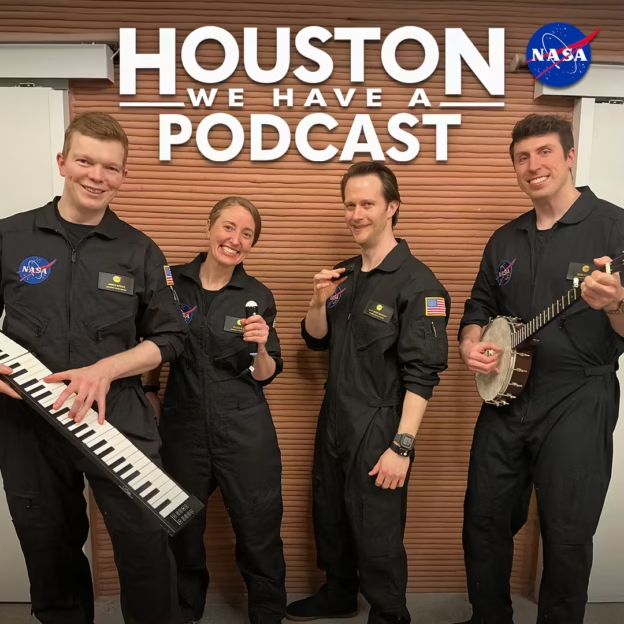
The CHAPEA 2 crew shares final reflections from inside their simulated Mars mission, and principal investigator Grace Douglas discusses the study as its conclusion approaches. Episode 442.
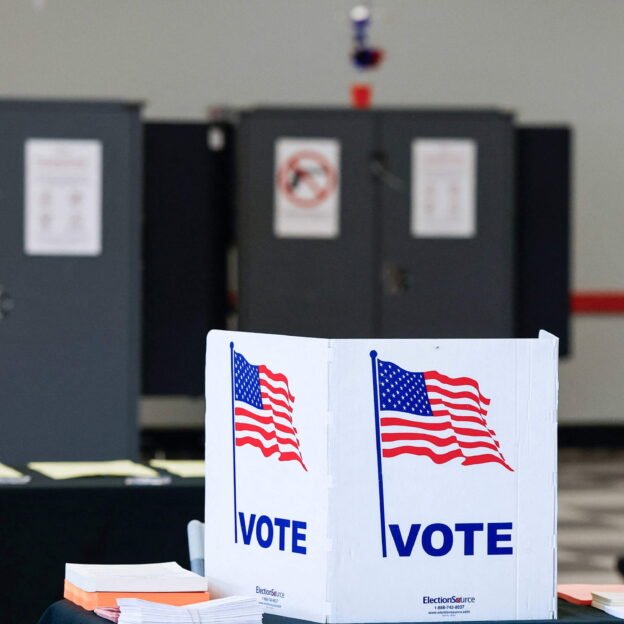
Polling is facing an existential crisis. People aren’t picking up the phone. Nobody wants to talk to pollsters. Trust is on the line. We pluck a solution from the economics canon and convince a polling firm to let us test it.
Today on the show, we head to Marist College — home of the Marist Poll — to learn how to be pollsters ourselves. We learn the great moments in polling history, the latest science of polling, and find out all the tricks that pollsters use to get people to finish their surveys. Then we get on the phone and give it a try ourselves. And offer some of our own solutions.
This episode was originally published before the 2022 midterm elections.
We have an update on our idea to save polling, which Marist is still testing, and we find out what it might be able to tell us about the 2026 midterms.
Music: “Partyline, “The Danzig Connection, and “Saku“
Read:
Our book: Planet Money: A Guide to the Economic Forces That Shape Your Life
Our weekly longform Planet Money newsletter
Our weekly Indicator round-up newsletter
Follow:
This update was produced by Emma Peaslee with help from Sam Yellowhorse Kesler. It was mastered by Gilly Moon with help from Cena Loffredo. The original episode was edited by Jess Jiang. Alex Goldmark is Planet Money’s executive producer.
Support public media with NPR+ and enjoy perks for over 25 podcasts like this one. This show’s perks include bonus episodes and sponsor-free listening. Learn more at plus.npr.org.
See pcm.adswizz.com for information about our collection and use of personal data for sponsorship and to manage your podcast sponsorship preferences.
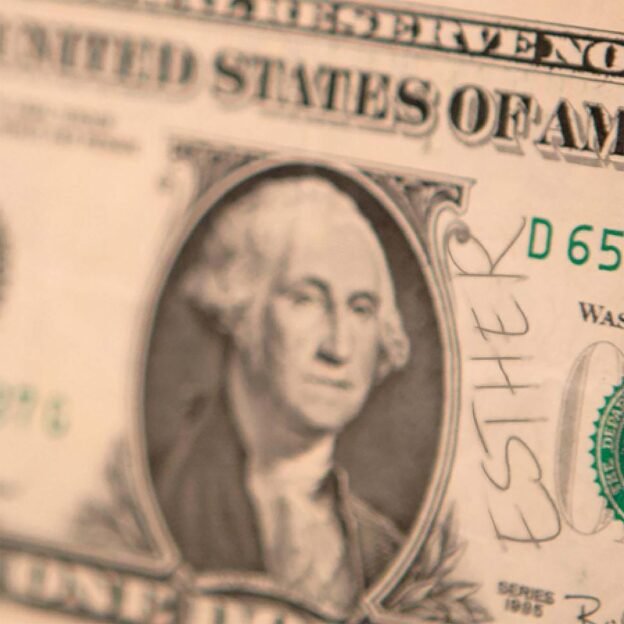
We asked listeners to send us their best coincidence stories, and we got more than 1,300 submissions! There were so many good ones that we decided to make a whole show about them. From a chance encounter at a bus station to a romantic dollar bill to a baffling apparition in a college shower stall.
Start a Life Partners free trial to watch our new video, A Night of Stories and Improv.
(00:00:00) Prologue: Hannah Jacoby tells the story of when she and her best friend Lindsey bonded over those toy soldiers with the parachutes, called (really) Poopatroopers — and how the little jumpers perfectly bookended their high-school years. And guest host Sarah Koenig explains the very interesting trends we discovered in our listeners’ coincidences. (9 minutes)
(00:09:23) Act One: A surprising number of coincidences involve grandmothers. One grandma has so many coincidences happen to her that it drives her granddaughter, 16-year-old Juliana Bontrager, to try to beat her at her own coincidence game. We also hear from Blake Oliver about a very strange appearance his grandma once made. (9 minutes)
(00:19:31) Act Two: When it comes to love, coincidences tend to loom extra-large. Stephen Lee tells about the time his parents first met his fiance’s parents, and his future mother-in-law dropped a coincidence bomb. And we hear how a dollar bill ended up clinching a marriage, after floating around Chicago for years. (10 minutes)
(00:28:22) Act Three: Ryan Rozar told us about a confounding coincidence that was visited on him in college. We didn’t think it was a coincidence at all, so we set out to prove him wrong. (8 minutes)
(00:37:39) Act Four: More stories of dazzling coincidences: an old boyfriend is conjured in Morocco, a jazz singer seems to rise from the dead, and three boys believe they’ve seen a corpse. Plus stories of errant fathers, lost and found. (13 minutes)
(00:49:57) Act Five: Kerry Weeks tells about the time he lost a pocketknife and turned to the galaxy for help. (7 minutes)
Transcripts are available at thisamericanlife.org / This American Life privacy policy. / Learn more about sponsor message choices.
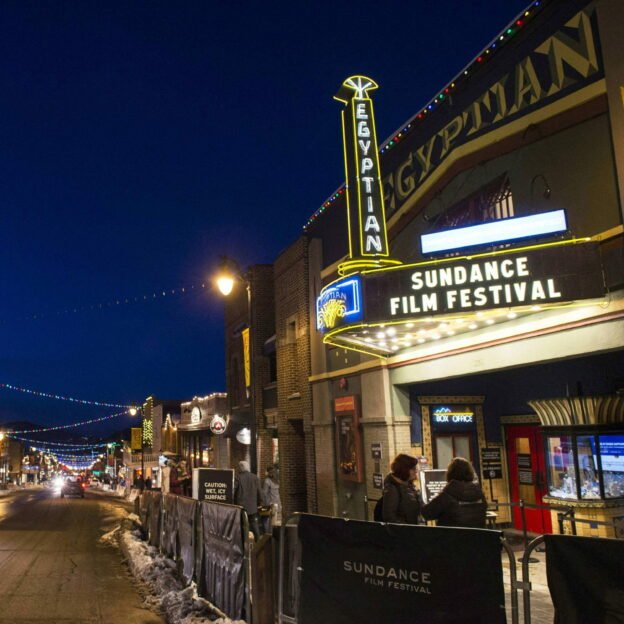
Before an independent movie makes it to a streaming platform or a theater near you, it first needs to survive an artistic and economic gauntlet. And even for those movies that make it into elite film festivals like Sundance – it can take everything from performance stunts to corporate spycraft to seal the deal. Today on the show, we follow the ‘King of Sundance’ as he and his team try to sell their slate of movies to distributors like Netflix and Sony and Apple. We hear the behind the scenes stories about how films like Little Miss Sunshine, Napoleon Dynamite and Precious got sold. And we learn the strategies that might make the difference in whether or not a film makes it onto screens around the world.
For more episodes about the entertainment industry:
“Based on a true story”
On the Oscars campaign trail
Why platforms like HBO Max are removing streaming TV shows
The summer I turned binge-y
The Writers Revolt (UPDATE)
Read:
Our book: Planet Money: A Guide to the Economic Forces That Shape Your Life
Our weekly longform Planet Money newsletter
Our weekly Indicator round-up newsletter
Follow:
Instagram
TikTok
YouTube
Facebook
Support public media with NPR+ and enjoy perks for over 25 podcasts like this one. This show’s perks include bonus episodes and sponsor-free listening. Learn more at plus.npr.org.
This episode of Planet Money was produced by Emma Peaslee. It was edited by Jess Jiang. It was fact checked by Sierra Juarez and engineered by Annlie Huang. Alex Goldmark is Planet Money’s executive producer.
Music: NPR Source Audio – “Lone Star Desert Surfer,” “The Westerners,” and “Tucson Arizona”
See pcm.adswizz.com for information about our collection and use of personal data for sponsorship and to manage your podcast sponsorship preferences.
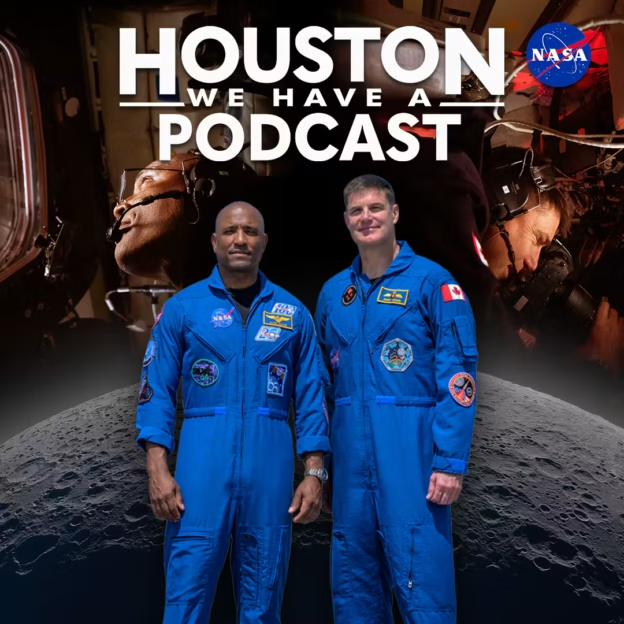
Artemis II astronauts Victor Glover and Jeremy Hansen reflect on memorable mission moments, new perspectives, and what comes next after their historic journey around the Moon. Episode 441.

Play is how we evolved to learn, solve problems, and navigate the world. So why do we treat it as optional? This hour, the science of play — and what happens when we don’t get enough of it.
Guests include psychology researcher Peter Gray, sailor and social activist Tracy Edwards and photographer Stefen Chow.
Support public media with NPR+ and enjoy perks for over 25 podcasts like this one. This show’s perks include sponsor-free listening. Learn more at plus.npr.org.
See pcm.adswizz.com for information about our collection and use of personal data for sponsorship and to manage your podcast sponsorship preferences.
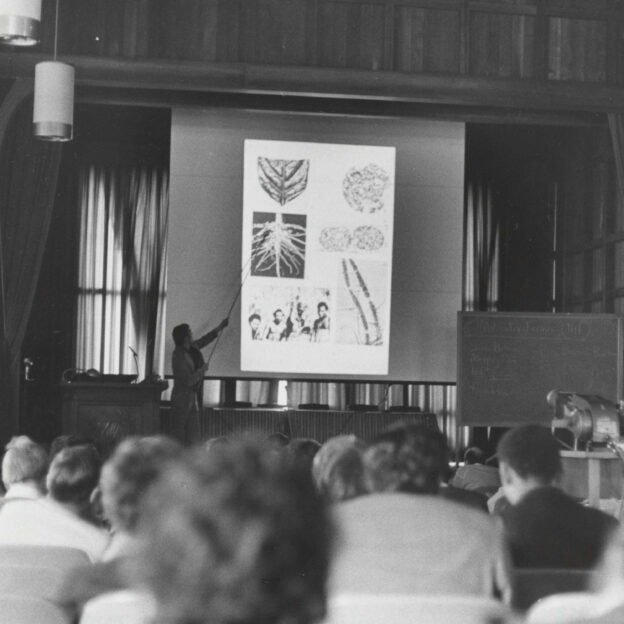
Fifty years ago, scientists pioneering a terrifying gene-splicing technology figured out a way to collectively hit pause. Can we do it again with AI?
We ask because some top AI industry leaders are saying the technology they’re pushing forward is moving too quickly … and might kill us all. They’re effectively saying, ‘Please, please regulate us! Slow us down! Tie our hands!’
But, by and large, they’re not slowing down, because they don’t want to be left behind. In other words, it’s a classic collective action problem. A type of problem that’s scary, but solvable. We’ve been here before.
In 1975, a group of scientists holed up for four days on California’s foggy Central Coast to stop the runaway technology of their generation: a new DNA splicing technology that they feared could cause mass death. On today’s show, how they set aside ambition and competition to stop a runaway technology.
Live Show:
Read Planet Money:
Follow Planet Money:
Listen to more Planet Money:
Merch:
Support public media with NPR+ and enjoy perks for over 25 podcasts like this one. This show’s perks include bonus episodes and sponsor-free listening. Learn more at plus.npr.org.
This episode was produced by Vito Emanuel. It was edited by Marianne McCune and fact-checked by Sierra Juarez. It was engineered by Travis Hagan. Alex Goldmark is our executive producer.
Music: NPR Source Audio – “Left Coastingg,” “Going Nuts,” and “Unsatisfied Reflection”
See pcm.adswizz.com for information about our collection and use of personal data for sponsorship and to manage your podcast sponsorship preferences.
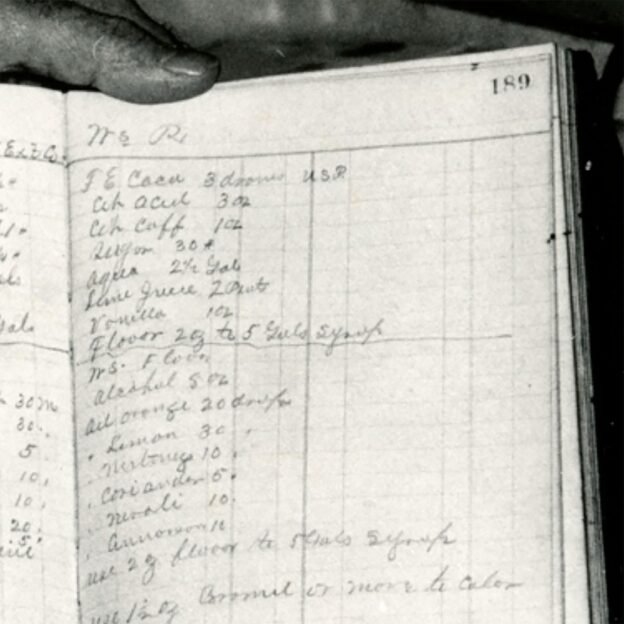
We discover what we believe might be the original recipe for Coca-Cola…and share it with you! When this episode first aired in 2011, it made international headlines. This, and another story about telling copies from originals.
Visit thisamericanlife.org/lifepartners to sign up for our premium subscription.
(00:00:00) Act One: The formula for Coca-Cola is one of the most jealously guarded trade secrets in the world. So we were surprised to find a 1979 newspaper article that might contain Coke’s original recipe. We were even more surprised to find reasons to believe the recipe is real. (26 minutes)
(00:26:23) Act Two: Jake Halpern tells this story about document expert John Reznikoff, who came into possession of some materials which — if authentic — would change history. Then, things got complicated (32 minutes)
Transcripts are available at thisamericanlife.org / This American Life privacy policy. / Learn more about sponsor message choices.
Companies are getting billions of dollars back. How about us?
It seems simple, right? We paid higher prices for imported goods because of tariffs. Then the tariffs were ruled illegal. Courts said the money paid to the U.S. government had to be refunded. Companies are getting that money now.
It would seem like we, the customers, should get paid back, too. But … it’s not so simple.
Once again, we’re dipping back into the drama of import tax law. We’re engrossed in the ups, downs, betrayal, and romance of … the Days of our Tariffs.
In this edition: “Refunds and Regrets.”
How and why some companies and people are getting their IEEPA tariff refunds and other people are out of luck.
Live Show:
– Planet Money Live at Kilkenomics. Kilkenny, Ireland Nov. 6th – 7th
Read Planet Money:
– Our book: Planet Money: A Guide to the Economic Forces That Shape Your Life
– Our weekly longform Planet Money newsletter
– Our weekly Indicator round-up newsletter
Follow Planet Money:
– Instagram
– TikTok
– YouTube
– Facebook
Listen to more Planet Money:
– Our short, daily podcast, The Indicator from Planet Money
– Over 1,000 episodes in our archive on the NPR App
Merch:
– NPR Shop
– The Planet Money game, Sell Me A Sasquatch
Support public media with NPR+ and enjoy perks for over 25 podcasts like this one. This show’s perks include bonus episodes and sponsor-free listening. Learn more at plus.npr.org.
This episode was hosted by Kenny Malone. It was produced by Sam Yellowhorse Kesler and James Sneed. It was edited by our executive producer Alex Goldmark. It was fact-checked by Sierra Juarez and Sam Yellowhorse Kesler. It was engineered by Jimmy Keeley and Cena Loffredo. Special thanks this week to everyone who wrote in with a tale of tariff drama.
See pcm.adswizz.com for information about our collection and use of personal data for sponsorship and to manage your podcast sponsorship preferences.
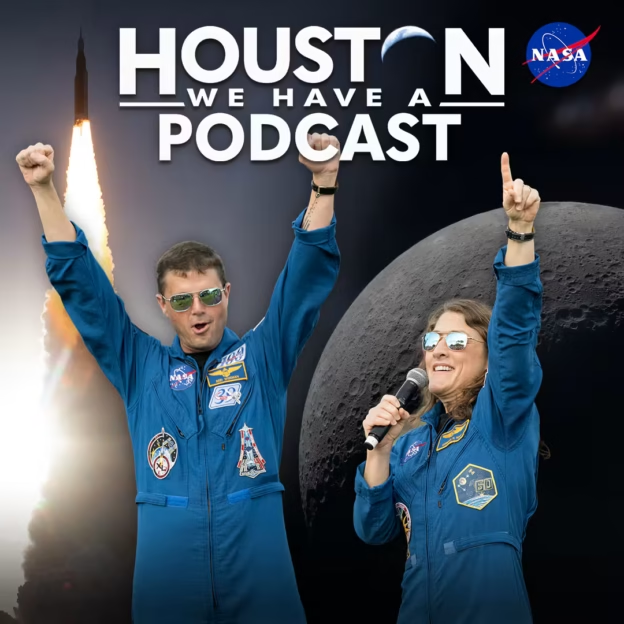
Artemis II astronauts Reid Wiseman and Christina Koch reflect on their historic journey around the Moon, the moments that moved them, and what it’s like to come home after traveling farther than any humans before them. Episode 440.