What happened in the days, even hours, after an asteroid set off the fifth extinction? A New Jersey quarry, and site of a new museum founded by paleontologist Ken Lacovara, sheds light on the mystery.
Original broadcast date: August 16, 2024
Support public media with NPR+ and enjoy perks for over 25 podcasts like this one. This show’s perks include bonus episodes and sponsor-free listening. Learn more at plus.npr.org.
See pcm.adswizz.com for information about our collection and use of personal data for sponsorship and to manage your podcast sponsorship preferences.
NPR Privacy Policy
This episode is packed with your best economic ideas from around the world and a penguin interview. It all comes together in this final session of Summer School 2026.
Pack your parka, we’re headed to Antarctica. The continent nobody owns, but everyone benefits from and plenty of economic activity if you know where to look.
First, we’ll travel back in time to the late 1970s when NPR was a scrappy young network,
with a synth soundtrack, and tons of heart. Science reporter Ira Flatow took a trip to the South Pole that put NPR on the news industry map. We’ll hear an excerpt where he brings us along through what life is like on the ice, including a memorable interview with the wildlife.
Then we look inside McMurdo Station, the largest human settlement and research base on Antarctica to hear from a listener who managed the store at the base back in the 1980s. Normal retail rules do not apply. We’ll also speak with an economist who has estimated the continent’s monetary value, while asking questions like “why put a price tag on this uninhabitable land”? She makes the case we should consider the environmental benefit as a service.
But, we can’t let the episode and the series wrap without marking our achievements! You did it! As part of our graduation celebration, we hear from your fellow members of the summer school class of 2026. Listeners like you who have written in from around the globe with provocative economic ideas that could make life better for all of us if we just have the will to do it. Man did you all deliver on sending in ideas. We’ve curated our favorites. Way better than speeches.
And don’t forget your totally real, but not legal, diploma
by taking our short online test. Don’t worry if you need a refresher,
catch up on past seasons of Planet Money Summer School here.Featured Episodes:
Featured Terms:
- Ecosystem as a service
- Consórcios (a type of ROSCA, a Rotating Savings and Credit Association)
- Social housing
- Natural capital
Support:
Read:
Follow:
This episode of Planet Money Summer School is hosted by Robert Smith. It was produced by Schuyler Swenson and Sophia Paliza-Carre and edited by Planet Money Executive Producer Alex Goldmark. It was fact-checked by Charlotte Isidore and engineered by Annlie Huang.
Music: NPR Source Audio – “Caroldine”, “Pomp And Circumstance March No. 1 Allegro con molto”, “Bismuth Bossa”, “Rumba Cotidiana”, Moons of Saturn”, “Column and Law”, “Our Son the Potter”, “Hutter”, “And So It Goes | 10penny Organ”.
Support public media with NPR+ and enjoy perks for over 25 podcasts like this one. Planet Money’s perks include bonus episodes and sponsor-free listening. Learn more at
plus.npr.org.
See pcm.adswizz.com for information about our collection and use of personal data for sponsorship and to manage your podcast sponsorship preferences.
NPR Privacy Policy
The aircraft carrier USS Abraham Lincoln has been in the news over an extra-long deployment that’s taking a toll on its crew. Back in 2002, we explored life aboard another aircraft carrier, the USS John C. Stennis, stationed in the Arabian Sea and supporting bombing missions over Afghanistan. Only a few dozen people on board actually fly jets. The rest of the crew — over 5,000 people — keeps them in the air.
Visit thisamericanlife.org/lifepartners to sign up for our premium subscription.
(00:00:00) Prologue: Alex Blumberg talks with sailor Prevon Scott, who stocks vending machines on the Stennis.
(00:04:53) Act One: Aboard the USS Stennis, Ira Glass and Wendy Dorr talk with sailors about life on board. Off duty, people play video games, work out, or practice in one of the ship’s many garage bands. Ira and Wendy also talk with sailors about how rumors travel on the ship — conversations that get back to the top brass, who give the producers heat for chasing salacious stories. Ira interviews the captain, James McDonell, and learns the ship is facing a fresh water shortage.
(00:18:03) Act Two: As pilots head to their planes for a mission, they explain how hard it is to land on an aircraft carrier. Wendy talks with sailors Cynthia and David, waiting for the 8PM movie to start, and she and Alex talk with sailors in the mess hall.
Transcripts are available at thisamericanlife.org / This American Life privacy policy. / Learn more about sponsor message choices.
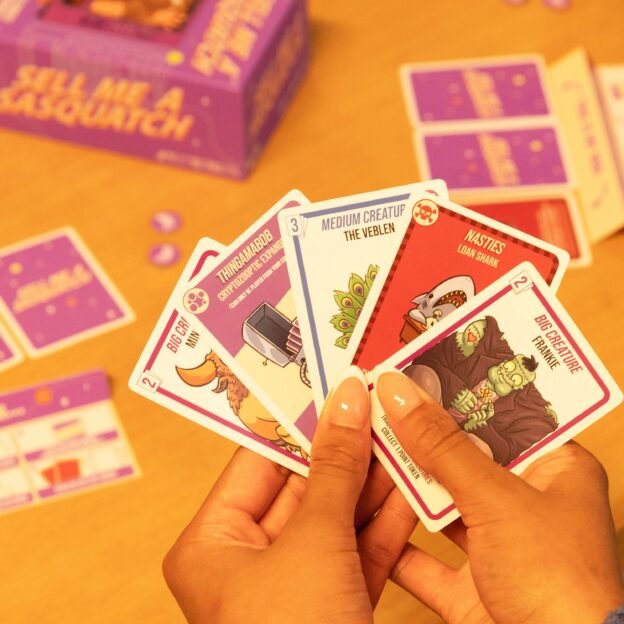
There’s a room where the fates of retail products are decided. Will they make it onto the shelves of the big box stores? Usually the rest of us can’t get inside the room where decisions are made – until now! Today on the show, we pitch the Planet Money game, Sell Me a Sasquatch, to big box retailers. We go behind the scenes to learn about how products end up on big box store shelves, what’s going on inside the minds of the deciders, and find out our board game’s fate.
Learn more about the story of Pantone: The company that owns colors
Support:
Planet Money+
Read:
Our book: Planet Money: A Guide to the Economic Forces That Shape Your Life
Our weekly longform Planet Money newsletter
Our weekly Indicator round-up newsletter
Follow:
Instagram
TikTok
YouTube
Facebook
This episode of Planet Money was produced by Emma Peaslee. It was edited by Marianne McCune. It was fact checked by Sierra Juarez. It was engineered by Robert Rodriguez and Jimmy Keeley. Planet Money’s executive producer is Alex Goldmark.
Music: NPR Source Audio – “Silly Sevens,” “Adventure Time,” and “Virtual Machine”
Support public media with NPR+ and enjoy perks for over 25 podcasts like this one. This show’s perks include bonus episodes and sponsor-free listening. Learn more at plus.npr.org.
See pcm.adswizz.com for information about our collection and use of personal data for sponsorship and to manage your podcast sponsorship preferences.
NPR Privacy Policy
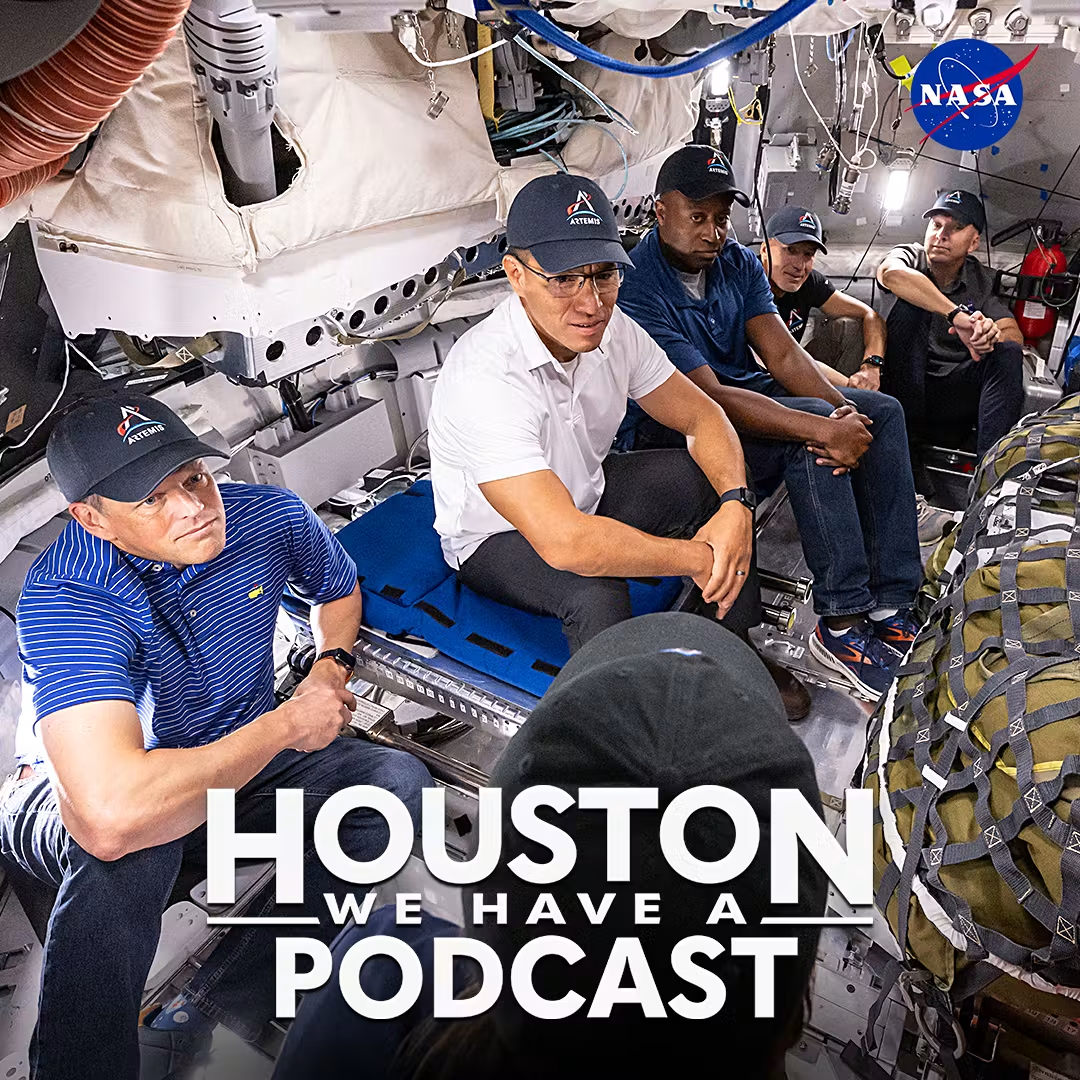
NASA Artemis III Chief Training Officer Debbie O’Connell discusses how the crew is preparing for one of NASA’s most challenging missions yet. Episode 434
Online linguist Adam Aleksic explains how he goes viral decoding internet slang, plus why making a living online means working for ‘the algorithm.’ It’s part 2 of our creator economy series.
Support public media with NPR+ and enjoy perks for over 25 podcasts like this one. This show’s perks include bonus episodes and sponsor-free listening. Learn more at plus.npr.org.
See pcm.adswizz.com for information about our collection and use of personal data for sponsorship and to manage your podcast sponsorship preferences.
NPR Privacy Policy
This week’s stop on our world tour – Korea. A country divided into two very different power structures since the end of WWII. Today South Korea is the maker of some of the world’s favorite exports – from Samsung TV’s to BTS. But 75 years ago it was a much different story. How the textile industry and a partnership with Bangladesh lifted the country out of poverty and paved the way for rapid economic growth.
Then later in this episode – how entrepreneurial endeavors look different on the other side of the 38th parallel. We’ll follow a woman who started her own small business selling goods in North Korea. How are the Donju, members of the affluent entrepreneurial class, faring and can capitalism exist in a highly restrictive socialist society?
Featured Episodes:
Featured Terms:
- Volatility
- Inflation expectations
- Capital controls
- Austerity
Support:
And please click “follow” in your podcast app so you don’t miss an episode.
Read:
Follow:
This episode of Planet Money Summer School is hosted by Robert Smith. It was produced by Schuyler Swenson and Sophia Paliza-Carre and edited by Planet Money Executive Producer Alex Goldmark. It was fact-checked by Charlotte Isidore and engineered by Annlie Huang.
Support public media with NPR+ and enjoy perks for over 25 podcasts like this one. Planet Money’s perks include bonus episodes and sponsor-free listening. Learn more at plus.npr.org.
See pcm.adswizz.com for information about our collection and use of personal data for sponsorship and to manage your podcast sponsorship preferences.
NPR Privacy Policy
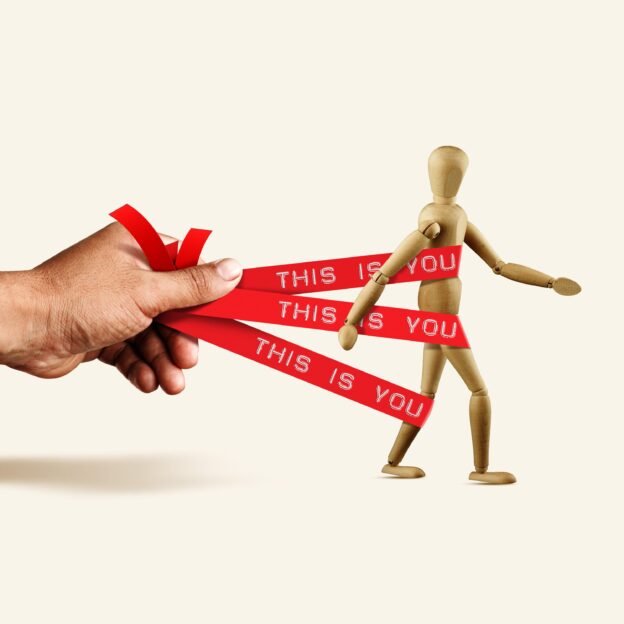
Labels are powerful. They can distill you down to a single word. They can get stuck on you without your permission. And sometimes, when they get taken away, they can upend your entire life. On this episode: labels and the havoc they wreak.
Visit thisamericanlife.org/lifepartners to sign up for our premium subscription.
(00:00:00) Prologue: Sara and Ethan have been dating for 10 months. They see each other at least once a week, text pretty much every day, and have been there for each other through hard times. But they refuse to have the “what are we?” conversation. So what gives? Guest host Tobin Low looks into it. (5 minutes)
(00:05:14) Act One: Last week, when Temporary Protected Status, also known as TPS, was cut off for Haitian immigrants, some 300,000 people had their lives upended. Marie, a Certified Nursing Assistant in Boston, was one of them. Producer Chana Joffe-Walt spent a week with Marie as she tried to figure out exactly when her very last day on the job would be. (21 minutes)
(00:27:10) Act Two: Comedian Janet McNamara was walking off stage 15 years ago when the club owner asked, “Hey, have you ever been tested for autism?” No one had ever asked her this before, so Janet decided to look into it. (17 minutes)
(00:44:08) Act Three: When you get down to it, labels are just our way of pointing out what we think is remarkable about other people. That’s Alfred Jung Lee’s argument. He’s been thinking a lot about how we describe each other, especially as he tries to describe his wife, who passed away from cancer. (10 minutes)
Transcripts are available at thisamericanlife.org / This American Life privacy policy. / Learn more about sponsor message choices.
Some of the biggest firms on Wall Street are, at this very moment, waiting for thousands of strangers to die to reap their returns. Because there’s a market for life insurance policies. And it’s legal.
You don’t have to actually die to get some of your life insurance money. Thanks to a secondary market for life insurance policies, you might be able to claw back money from beyond the grave. You just sell your policy to an investor. So when you die, the payout goes to them, instead of your family or beneficiary.
On today’s show, how the wheels of finance transformed a desperate deal made during the AIDS crisis into a multi-billion dollar industry.
Support:
Read:
Follow:
This episode was produced by Emma Peaslee and Willa Rubin. It was edited by Marianne McCune and fact-checked by Sierra Juarez. It was engineered by Cena Loffredo. Alex Goldmark is our executive producer.
Support public media with NPR+ and enjoy perks for over 25 podcasts like this one. This show’s perks include bonus episodes and sponsor-free listening. Learn more at plus.npr.org.
See pcm.adswizz.com for information about our collection and use of personal data for sponsorship and to manage your podcast sponsorship preferences.
NPR Privacy Policy
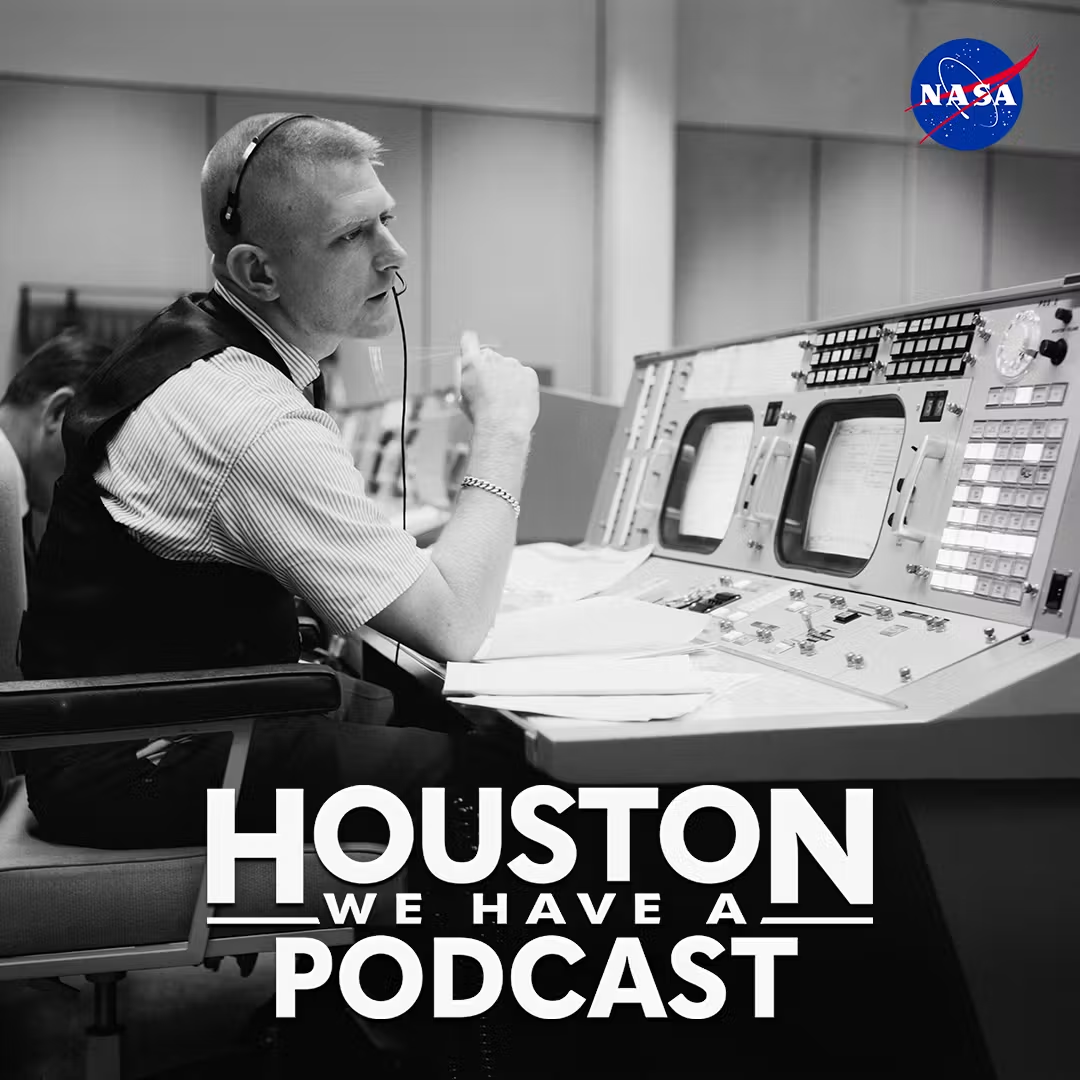
Former NASA flight director Gene Kranz reflects on his career, leadership, legacy, and lessons for the future of human space exploration. Episode 433