Hear from a spacesuit systems engineer who explains what will be needed in the design and operation of a spacesuit on the Red Planet. HWHAP Episode 280.
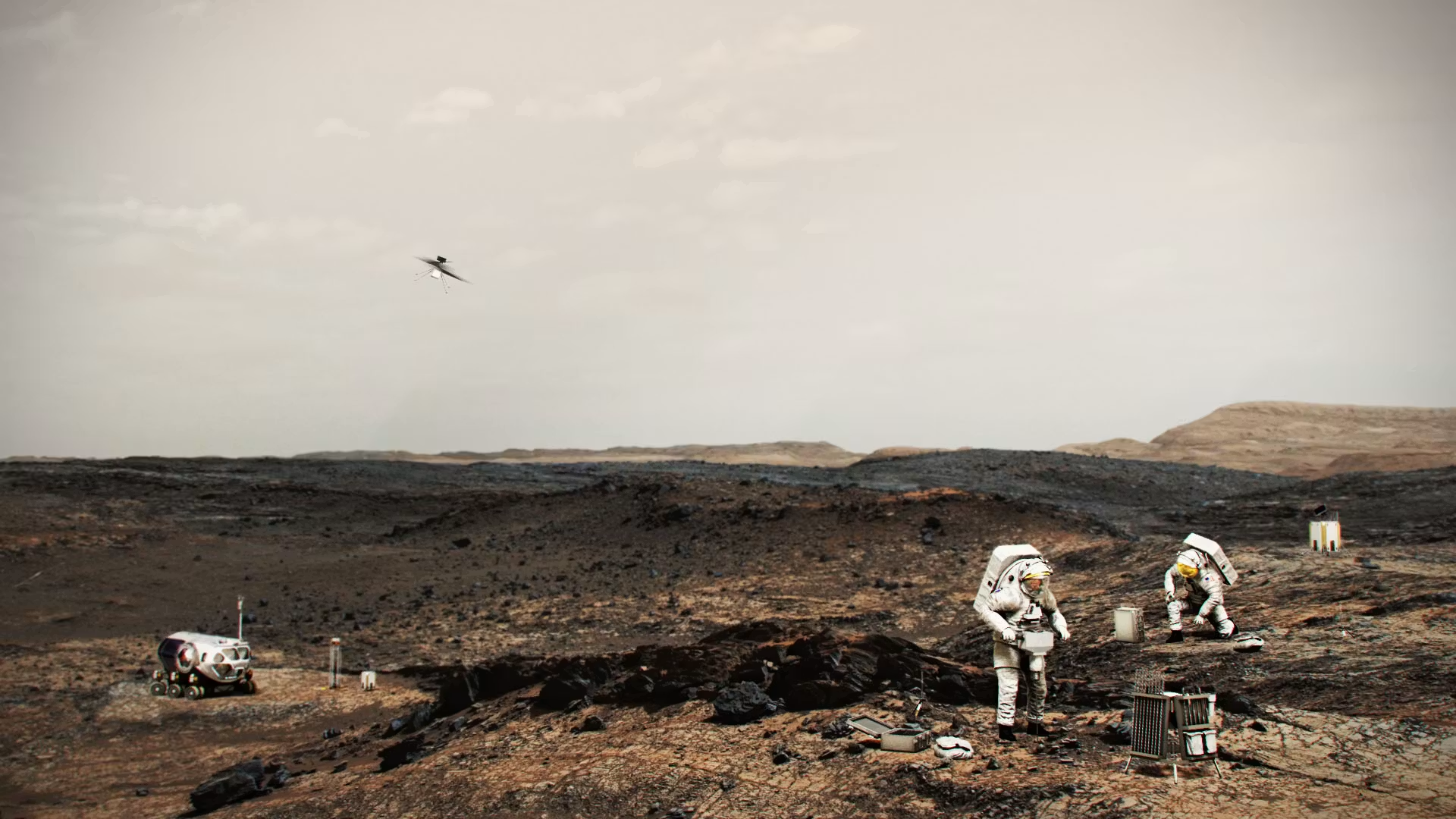
Hear from a spacesuit systems engineer who explains what will be needed in the design and operation of a spacesuit on the Red Planet. HWHAP Episode 280.

For millennia, humans have debated the mind, body, spirit connection. But today, the phrase sounds trite — a hallmark of the #selfcare industry. Over the next three episodes, TED speakers will investigate fresh perspectives on how we think, move, and feel. This hour: the mind. Guests include animal behaviorist and autism activist Temple Grandin, podcast host and meditation advocate Dan Harris, neurointerventionist and entrepreneur Tom Oxley and poet Sarah Kay
Starting Wednesday, March 22, TED Radio Hour Plus subscribers will get access to bonus episodes, with more ideas from TED speakers and a behind the scenes look with our producers. A Plus subscription also lets you listen to regular episodes (like this one!) without ads. Sign-up at plus.npr.org/ted.
See pcm.adswizz.com for information about our collection and use of personal data for sponsorship and to manage your podcast sponsorship preferences.
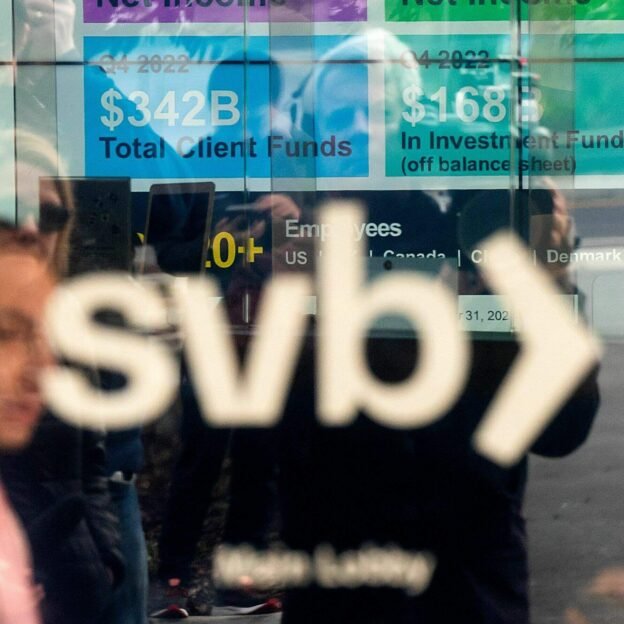
Silicon Valley Bank was the 16th largest bank in America, the bank of choice for tech startups and big-name venture capitalists. Then, in the span of just a few days, it collapsed. Whispers that SVB might be in trouble spread like wildfire through group texts and Twitter posts. Depositors raced to empty their accounts, withdrawing $42 billion in a single day. Last Friday, after regulators declared that SVB had failed, the FDIC seized the bank.
As the dust settles on the biggest bank failure — and bank rescue — in recent memory, we’re still figuring out what happened. But poor investment choices, weak regulation, and customer panic all played their parts. We’ll look into the bank’s collapse to understand what it can teach us about the business of banking itself.
This episode was produced by Willa Rubin, with help from Dave Blanchard. It was edited by Keith Romer, and engineered by Brian Jarboe. Fact-checking by Sierra Juarez. Our acting executive producer is Jess Jiang.
Music: “I Don’t Do Gossip,” “Groovy Little Penguins” and “Vision.”
Help support Planet Money and get bonus episodes by subscribing to Planet Money+ in Apple Podcasts or at plus.npr.org/planetmoney.
See pcm.adswizz.com for information about our collection and use of personal data for sponsorship and to manage your podcast sponsorship preferences.

You may think you know the Nintendo story: a plumber named Mario, a princess named Zelda… and didn’t they buy the Seattle Mariners at some point? We thought we knew it too. And then we started researching and were blown away.
The lovable Disney-like Nintendo that we know today is a 130 year-old a playing card company (i.e. gambling), forged in the shadowy world of the Yakuza and shaped by a four-generation cycle of bitter family betrayal. And its unlikely transformation into a global multi-billion dollar media monopoly was led by an iron-fisted patriarch who — amazingly — never played a video game in his life! Get ready for one of our favorite stories Acquired has ever told — we couldn’t make this one up if we tried!
Links:
Carve Outs:
Sponsors:
More Acquired!
© Copyright 2015-2026 ACQ, LLC

Over the past year, dozens of shows have been disappearing from streaming platforms like HBO Max and Showtime. Shows like Minx, Made for Love, FBoy Island, and even big budget hits like Westworld have been removed entirely.
So why did these platforms, after investing millions of dollars in creating original content, decide not just to cancel those shows, but to make them unavailable altogether?
We dive into the economics of the television industry looking for answers to a streaming mystery that has affected both fans and creatives. And we find out what happens when the stream runs dry.
This episode was produced by Willa Rubin with help from Emma Peaslee. It was edited by Keith Romer. Engineering by Josh Newell. Sierra Juarez checked the facts. Jess Jiang is our acting executive producer.
We want to hear your thoughts on the show! We have a short, anonymous survey we’d love for you to fill out: n.pr/pmsurvey
Help support Planet Money and get bonus episodes by subscribing to Planet Money+ in Apple Podcasts or at plus.npr.org/planetmoney.
See pcm.adswizz.com for information about our collection and use of personal data for sponsorship and to manage your podcast sponsorship preferences.

A NASA planetary geologist describes the Mars environment, terrain, weather, atmosphere, and more that humans will face while living on the Red Planet. HWHAP Episode 279.

Original broadcast date: March 22, 2022. In the last century, human life expectancy has doubled. This hour, we talk with writer Steven Johnson on the many breakthroughs that made this possible — and where we go from here.
See pcm.adswizz.com for information about our collection and use of personal data for sponsorship and to manage your podcast sponsorship preferences.

As a kid, Ryanne Jones’ friend accidentally hit her in the mouth with a hammer, knocking out her two front teeth. Her parents never had enough money for the dental care needed to fix them, so Ryanne lived much of her adult life with a chipped and crooked smile.
Ryanne spent a while as a single mom working low-wage jobs, but she had higher aspirations: she interviewed dozens of times a year for higher-paying roles that she was more than qualified for. But she never landed any of them. And to her, it really seemed like the only thing standing between her and a better job was her rotting, brown front teeth.
Our physical appearances can communicate a lot about our financial status. There are some things, such as clothing, that we have more control over. But there are other things that we don’t — and they can have serious long-term economic consequences.
This episode was originally run as part of Marketplace’s This is Uncomfortable podcast.
Reported by: Reema Khrais
Edited by: Micaela Blei.
Produced by: Zoë Saunders, Peter Balonon-Rosen, Megan Detrie, Hayley Hershman and Daniel Martinez. The Planet Money version was produced by Alyssa Jeong Perry.
Mastered by: Charlton Thorp
Music: Wonderly
Help support Planet Money and get bonus episodes by subscribing to Planet Money+ in Apple Podcasts or at plus.npr.org/planetmoney.
See pcm.adswizz.com for information about our collection and use of personal data for sponsorship and to manage your podcast sponsorship preferences.

The 90s sit-com Seinfeld is often called “a show about nothing.” Lauded for its observational humor, this quick-witted show focussed on four hapless New Yorkers navigating work, relationships…yada yada yada.
Jerry, George, Elaine & Kramer set themselves apart from the characters who populated shows like Friends or Cheers, by being the exact opposite of the characters audiences would normally root for. These four New Yorkers were overly analytical, calculating, and above all, selfish.
In other words, they had all the makings of a fascinating case study in economics.
Economics professors Linda Ghent and Alan Grant went so far as to write an entire book on the subject, Seinfeld & Economics. The book points readers to economic principles that appear throughout the show, ideas like economic utility, game theory, and the best way to allocate resources in the face of scarcity.
On today’s show, we make the case that Seinfeld is, at its heart, not a show about nothing, but a show about economics. And that understanding Seinfeld can change the way you understand economics itself.
This episode was produced by Alyssa Jeong Perry with help from Emma Peaslee. It was edited by Keith Romer. It was mastered by Robert Rodriguez and fact-checked by Sierra Juarez. Jess Jiang is our acting executive producer.
Help support Planet Money and get bonus episodes by subscribing to Planet Money+ in Apple Podcasts or at plus.npr.org/planetmoney.
See pcm.adswizz.com for information about our collection and use of personal data for sponsorship and to manage your podcast sponsorship preferences.

Entry, descent, and landing experts at NASA unfold what it will take to accomplish a successful landing for humans visiting the Red Planet. HWHAP Episode 278.