From betting apps to AI models, prediction has become big business. This hour, why we’re so drawn to certainty, and what happens when we mistake forecasts for facts. Guests include professor Brendan Dwyer, philosopher Carissa Véliz, and journalist Simone Stolzoff.
TED Radio Hour+ listeners now get access to bonus episodes, with more ideas from TED speakers and deeper conversations with Manoush. By signing up for Plus, you directly support our work and public media, so all your episodes (like this one!) come to you without sponsor breaks. Learn more at plus.npr.org/ted.
See pcm.adswizz.com for information about our collection and use of personal data for sponsorship and to manage your podcast sponsorship preferences.
NPR Privacy Policy
One specific type of affordable housing used to be popular in American cities, kept rents low, then nearly vanished. Is it time to reconsider boarding houses and single room occupancy units? If they lowered rents in cities, why did they go away? We have the history.
Then, let’s talk about corporate landlords. They’re blamed for driving up rents. Studies show they do the opposite. When corporate landlords come to town, they do buy up homes, which can raise the price to buy, but at the same time lower rents. We’ll parse the impact as we consider a Trump administration plan to restrict corporate home ownership.
Related episodes:
Support:
Read:
Follow:
The original episodes of the Indicator were hosted by Darian Woods and Wailin Wong. They were produced by Julia Ritchey, Cooper Katz McKim and Corey Bridges with engineering by Travis Hagan and Robert Rodriguez. They were fact checked by Vito Emanuel and Sierra Juarez. Kate Concannon edits the show. This episode of Planet Money was produced by James Sneed with help from Emma Murphy. Alex Goldmark is our executive producer.
See pcm.adswizz.com for information about our collection and use of personal data for sponsorship and to manage your podcast sponsorship preferences.
NPR Privacy Policy
Regular people trapped inside Greek myths.
Visit thisamericanlife.org/lifepartners to sign up for our premium subscription.
- Prologue: When a mysterious, ripped-open package arrives on Pablo’s doorstep, he takes it as a sign. (4 minutes)
- Act One: Pablo flies closer to the sun. (14 minutes)
- Act Two: In Greek mythology, there’s Hades, where everyone goes when they die. You have to cross the river Styx to get there, and there’s a gate with this three-headed dog. He’s guarding the entrance and he’s supposed to make sure only actual dead people enter. This story is about a real person in America who stood at those very gates. Which is not the easiest job it turns out, at least not right now. (24 minutes)
- Act Three: A mortal gets the assignment of a lifetime — to go interview an actual god who is living on earth, traveling under the name of Lionel Messi. (11 minutes)
Transcripts are available at thisamericanlife.org
This American Life privacy policy.
Learn more about sponsor message choices.
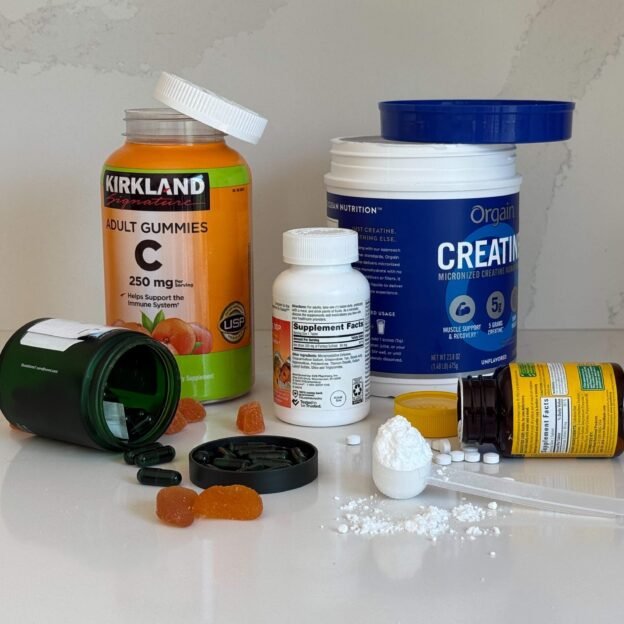
One reason the $70 billion supplement industry is set to double in the next seven years? Lax regulation.
On today’s show, we tell the story of a century-long battle between the U.S. government and … you, the people, blinded by your love of a magic pill.
We’re talking about protein powders, pre-workouts, creatine, stuff for gut health, joint health, vitamin C, turmeric supplements. All that. You might not wanna hear this.
Sources mentioned in the episode:
Support:
Read:
Follow:
This episode was hosted by Sarah Gonzalez and Jane Black. It was produced by Sam Yellowhorse Kesler, edited by Marianne McCune, and fact checked by Sierra Juarez with help with Vito Emanuel. It was engineered by Robert Rodriguez with help from Jimmy Keeley. Alex Goldmark is Planet Money’s executive producer.
See pcm.adswizz.com for information about our collection and use of personal data for sponsorship and to manage your podcast sponsorship preferences.
NPR Privacy Policy
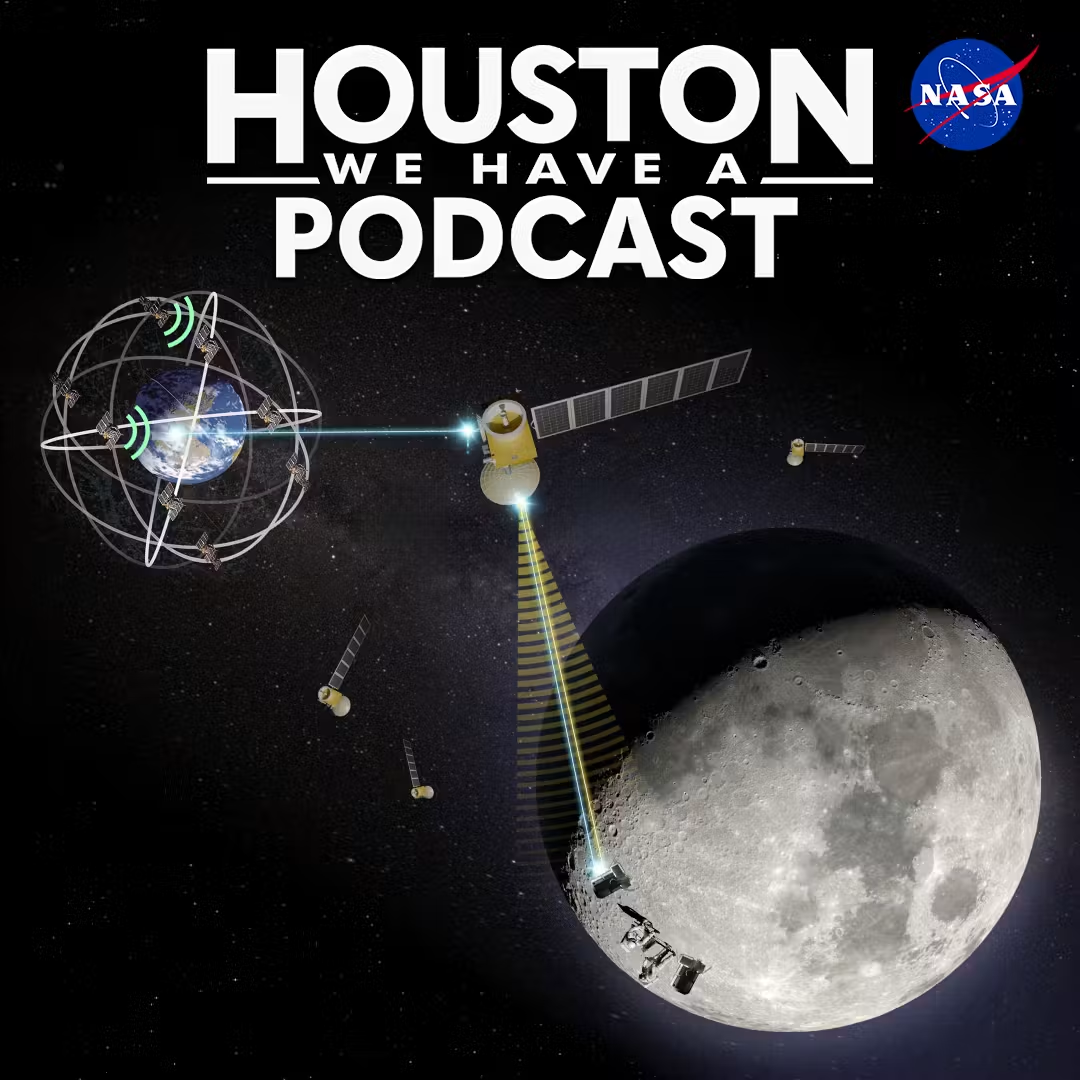
NASA SCaN Deputy Program Manager Greg Heckler discusses the future of deep space communications and the technology supporting NASA missions in Earth orbit and the Moon. Episode 425.
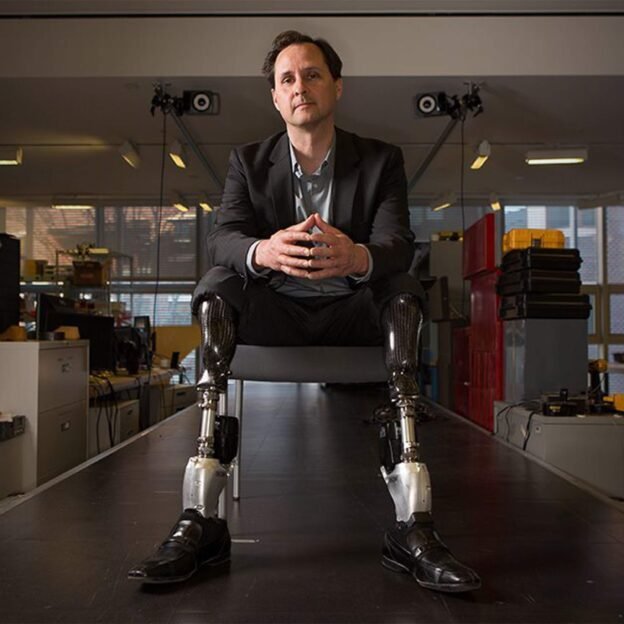
From robot helpers to smart body parts, the line between human and machine is blurring. This hour, TED speakers design tech that enhances us without diminishing our humanity. Guests include robot choreographer and computer scientist Catie Cuan, engineer and biophysicist Hugh Herr, material scientist Anna Maria Coclite and biochemist Jennifer Doudna.
TED Radio Hour+ listeners now get access to bonus episodes, with more ideas from TED speakers and deeper conversations with Manoush. By signing up for Plus, you directly support our work and public media, so all your episodes (like this one!) come to you without sponsor breaks. Learn more at plus.npr.org/ted.
See pcm.adswizz.com for information about our collection and use of personal data for sponsorship and to manage your podcast sponsorship preferences.
NPR Privacy Policy
Have you ever walked around a street, mall, or airport and noticed two or three of the same franchise restaurant within walking distance? Why might one Starbucks or McDonald’s or Wetzel’s Pretzels sometimes be built so close to another? Are they friends or competitors? And how can that possibly be profitable?
Today’s show is one such example. Our pals at Hyperfixed got a knotty question we just had to help them untangle: Why are there so many Wetzel’s Pretzels so close to one another at the Atlantic Avenue-Barclays Center Station?
To find out, Alexi Horowitz-Ghazi followed the dough all the way to the top. His journey led him to a jolly pretzel executive, a franchisee with a deep-fried American dream, and a brush with mall security.
Support:
Read:
Follow:
This episode was hosted by Alex Goldman and Alexi Horowitz-Ghazi. Hyperfixed is produced and edited by Emma Courtland, Amor Yates, Sari Soffer Sukenik and Tori Dominguez Peak. The music is by the mysterious Breakmaster Cylinder and Alex Goldman. It was engineered by Tony Williams. Fact checking by Naomi Barr. The Planet Money version was produced by Sam Yellowhorse Kesler and edited by Jess Jiang. It was engineered by Robert Rodriguez. Alex Goldmark is Planet Money’s executive producer.
See pcm.adswizz.com for information about our collection and use of personal data for sponsorship and to manage your podcast sponsorship preferences.
NPR Privacy Policy
99% of chemicals in our food right now were added without FDA approval. Many were added in secret, through a sneaky loophole built into the 1958 Food Additives Amendment.
It was supposed to require FDA approval for new additives. But food companies and chemical makers found a workaround. And the FDA formally okayed the loophole in the 90s — in the process bringing attention to a loophole to the loophole.
The FDA has essentially admitted it doesn’t have the capacity to verify the safety of new food chemicals. So they leave it up to food companies and chemical makers to declare their brand new chemicals are safe. These chemicals are used in everything from chocolate and smoked fish, to tea bags, protein drinks, popcorn, and seeds.
So, how’d the loophole get there, and what does it tell us about the priority the U.S. places on safety versus speed and innovation? And, how much can one lawyer do about it?
Live show tour and book info. / Subscribe to Planet Money+
Listen free: Apple Podcasts, Spotify, the NPR app or anywhere you get podcasts.
Facebook / Instagram / TikTok / Our weekly Newsletter.
This episode was hosted by Sarah Gonzalez, produced by Sam Yellowhorse Kesler, edited by Jess Jiang, fact checked by Sierra Juarez, and engineered by Robert Rodrguez with help from Kwesi Lee. Alex Goldmark is Planet Money’s executive producer.
See pcm.adswizz.com for information about our collection and use of personal data for sponsorship and to manage your podcast sponsorship preferences.
NPR Privacy Policy
NASA Acting Chief Data and AI Officer Kevin Murphy discusses how artificial intelligence is supporting missions, research, and the future of human spaceflight. Episode 424.
The debate about masculinity has reached a fever pitch. But Richard Reeves says we must move past the culture wars and look at the facts. This hour, a thoughtful approach to supporting boys and men.
TED Radio Hour+ listeners now get access to bonus episodes, with more ideas from TED speakers and deeper conversations with Manoush. By signing up for Plus, you directly support our work and public media, so all your episodes (like this one!) come to you without sponsor breaks. Learn more at plus.npr.org/ted.
See pcm.adswizz.com for information about our collection and use of personal data for sponsorship and to manage your podcast sponsorship preferences.
NPR Privacy Policy