NASA astronaut Chris Williams shares his journey exploring the early
universe, cancer treatment techniques, and astronaut training before his first mission to the International Space Station. HWHAP 403.
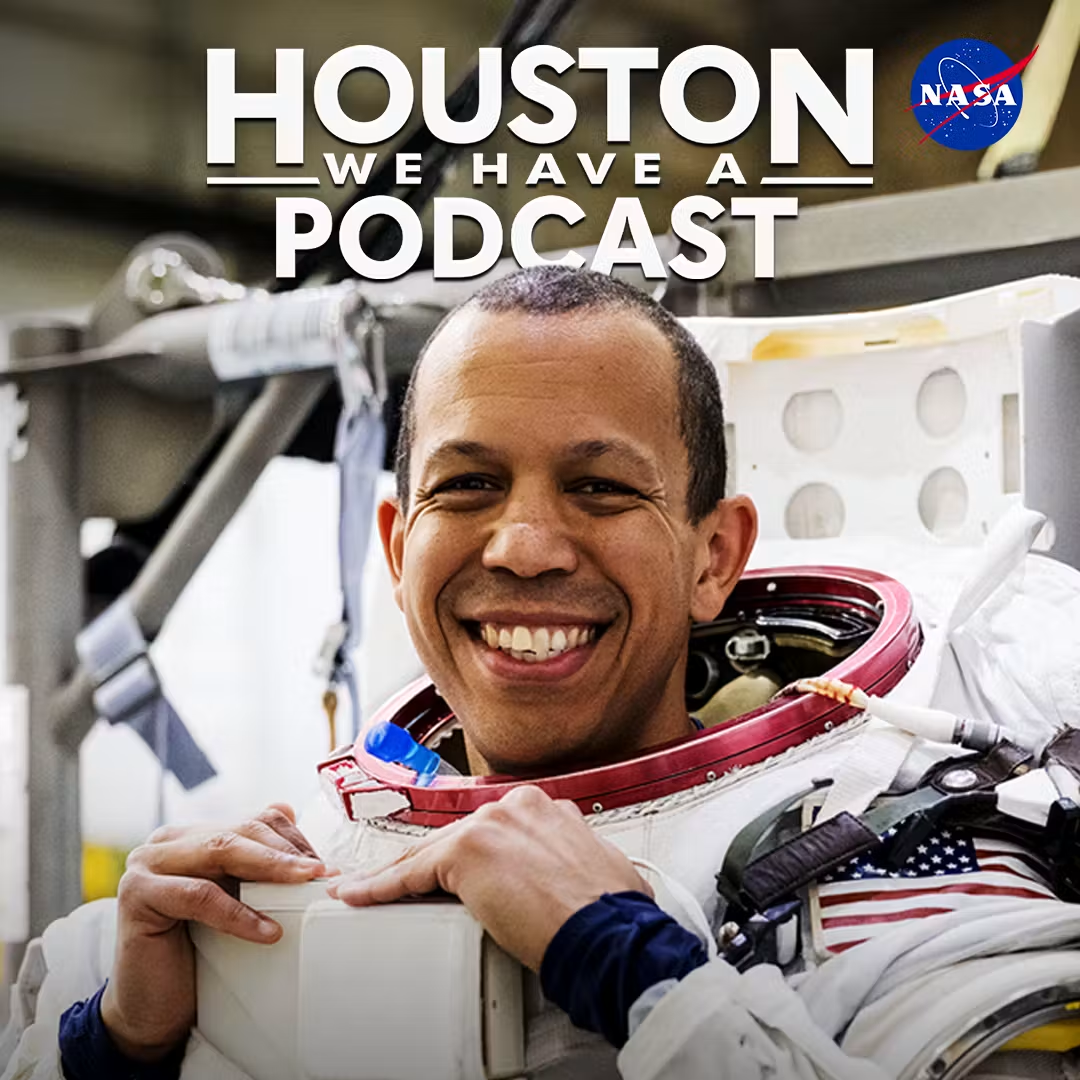
NASA astronaut Chris Williams shares his journey exploring the early
universe, cancer treatment techniques, and astronaut training before his first mission to the International Space Station. HWHAP 403.

It’s never too late to make things right—even when cracks form within our relationships with our families, our environment…or the inevitable. This hour, TED speakers offer healing solutions.
TED Radio Hour+ subscribers now get access to bonus episodes, with more ideas from TED speakers and a behind the scenes look with our producers. A Plus subscription also lets you listen to regular episodes (like this one!) without sponsors. Sign-up at plus.npr.org/ted.
See pcm.adswizz.com for information about our collection and use of personal data for sponsorship and to manage your podcast sponsorship preferences.
Tariffs. They’ve been announced, unannounced, re-announced, raised and lowered. It’s an on-going saga with billions at stake!
On today’s episode, we run full-on at the twisty, turny drama of life with broad-based tariffs and tackle perhaps our most asked question: Are we, regular U.S. shoppers, feeling the tariffs yet? When we’re at the grocery store or the coffee shop, are we paying more for things because of the tariffs?
We now have the data to get a very clear answer to that question. Plus, we hear a cautionary tale from our dear colleague James Sneed, who ordered a collectible doll and wound up with a surprise tariff bill at his door.
Related episodes:
Pre-order the Planet Money book and get a free gift. / Subscribe to Planet Money+
Listen free: Apple Podcasts, Spotify, the NPR app or anywhere you get podcasts.
Facebook / Instagram / TikTok / Our weekly Newsletter.
This episode was produced by Willa Rubin and edited by Jess Jiang. It was fact-checked by Sierra Juarez with research help from Vito Emanuel. It was engineered by Jimmy Keeley and Maggie Luthar. Alex Goldmark is our executive producer.
Music: NPR Source Audio – “Mirror,” “Remorse,” “Endless,” “Secrets,” “Schmaltzy,” “Water Mirror.”
See pcm.adswizz.com for information about our collection and use of personal data for sponsorship and to manage your podcast sponsorship preferences.

Last month, during the longest government shutdown in U.S. history, Treasury Secretary Scott Bessent announced that the United States had offered to functionally loan Argentina $20 billion. Despite the sums involved, this bailout required no authorization from Congress, because of the loan’s source: an obscure pool of money called the Exchange Stabilization Fund. The ESF is essentially the Treasury Department’s private slush fund.
Its history goes all the way back to the Great Depression. But, in the 90 years since its creation, it has only been used one time at this scale to bailout an emerging economy: Mexico, in 1995. That case study contains some helpful lessons that can be used to make sense of Bessent’s recent move. Will this new credit line to Argentina work out as well as it did the last time we tried it? Or will Argentina’s economic troubles hamstring the Exchange Stabilization Fund forever?
Pre-order the Planet Money book and get a free gift. / Subscribe to Planet Money+
Listen free: Apple Podcasts, Spotify, the NPR app or anywhere you get podcasts.
Facebook / Instagram / TikTok / Our weekly Newsletter.
This episode was hosted by Keith Romer and Erika Beras. It was produced by Luis Gallo. It was edited by Eric Mennel and fact checked by Sierra Juarez. It was engineered by Cena Loffredo. Alex Goldmark is Planet Money’s executive producer.
See pcm.adswizz.com for information about our collection and use of personal data for sponsorship and to manage your podcast sponsorship preferences.

Online linguist Adam Aleksic explains how he goes viral decoding internet slang. Plus, why making a living online means working for “the algorithm,” in part 2 of our creator economy series.
TED Radio Hour+ subscribers now get access to bonus episodes, with more ideas from TED speakers and a behind the scenes look with our producers. A Plus subscription also lets you listen to regular episodes (like this one!) without sponsors. Sign-up at plus.npr.org/ted.
See pcm.adswizz.com for information about our collection and use of personal data for sponsorship and to manage your podcast sponsorship preferences.

(Note: A version of this episode originally ran in 2022.)
Every time you shop online and make it to the checkout screen, you see those colorful pastel buttons at the bottom. Affirm. Klarna. Afterpay. Asking: Do you want to split your payment into interest-free installments? No credit check needed. Get what you want, right now.
That temptation got shoppers like Amelia Schmarzo into some money trouble. Back in 2022, she maxed out her credit card after a month of buying now and paying later. She’s not alone. Buy now, pay later is everywhere now. And you can finance almost anything with it. Your clothes, your furniture … even your lips.
But if these companies don’t charge interest, how do they make money? In short, people buy more stuff using these services and so sellers are willing to pay up. Which makes buy now, pay later, something of a threat to credit card companies. Cue the tussle for your impulse-buying clicks.
Today on the show, we find out how the companies work, who’s most likely to use these services and who’s getting a good deal. And a warning: those little loans will soon be on your credit report.
Listen free: Apple Podcasts, Spotify, the NPR app or anywhere you get podcasts.
Facebook / Instagram / TikTok / Our weekly Newsletter.
This episode was produced by Emma Peaslee, engineered by Josh Newell and edited by Molly Messick. Our update was reported by Vito Emanuel, produced by Willa Rubin, engineered by Gilly Moon and edited by our executive producer, Alex Goldmark.
Music: Universal Music Production – “Retro Funk,” “Comin’ Back For More,” “Reactive Emotion,” and “EAT.”
See pcm.adswizz.com for information about our collection and use of personal data for sponsorship and to manage your podcast sponsorship preferences.
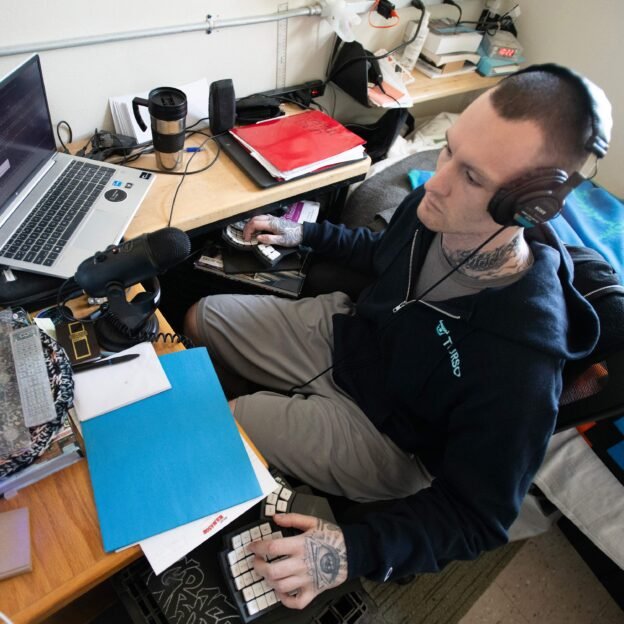
When people in Maine prisons started getting laptops to use in their cells for online classes and homework, it sparked this new idea. Could they have laptops in their cells to work remotely for real outside world jobs, too??? And get real outside world wages?
Today on the show, we have reporting from Maine Public Radio’s Susan Sharon about a new experiment in prisons: remote jobs … paying fair market wages, for people who are incarcerated.
Listen to Susan’s original reporting here:
– In Maine, prisoners are thriving in remote jobs and other states are taking notice
– Cracking the code: How technology and education are changing life in Maine prisons
Related episodes:
– Getting Out Of Prison Sooner
Pre-order the Planet Money book and get a free gift. / Subscribe to Planet Money+
Listen free: Apple Podcasts, Spotify, the NPR app or anywhere you get podcasts.
Facebook / Instagram / TikTok / Our weekly Newsletter.
This episode was hosted by Sarah Gonzalez with reporting from Susan Sharon. It was produced by Sam Yellowhorse Kesler with reporting help from Vito Emanuel. It was edited by Jess Jiang, fact-checked by Sierra Juarez, and engineered by Robert Rodriguez, with help from Patrick Murray. Alex Goldmark is Planet Money’s executive producer.
See pcm.adswizz.com for information about our collection and use of personal data for sponsorship and to manage your podcast sponsorship preferences.

The words “content creator” may make you roll your eyes. But in part 1 of our series, Kickstarter co-founder Yancey Strickler explains how the creator economy is changing work, art and what we value.
TED Radio Hour+ subscribers now get access to bonus episodes, with more ideas from TED speakers and a behind the scenes look with our producers. A Plus subscription also lets you listen to regular episodes (like this one!) without sponsors. Sign-up at plus.npr.org/ted.
See pcm.adswizz.com for information about our collection and use of personal data for sponsorship and to manage your podcast sponsorship preferences.
People in the U.S. are feeling the financial squeeze, in part because of rising inflation, higher consumer prices and slowing job growth. The Indicator from Planet Money is tackling a special series on the rising cost of living. Today, two stories from that series.
First, what’s making ticket prices go up? We look at the economics behind the ticket market and how “reseller bots” are wreaking all sorts of havoc. The industry is not a fan, and yet they do serve an economic function.
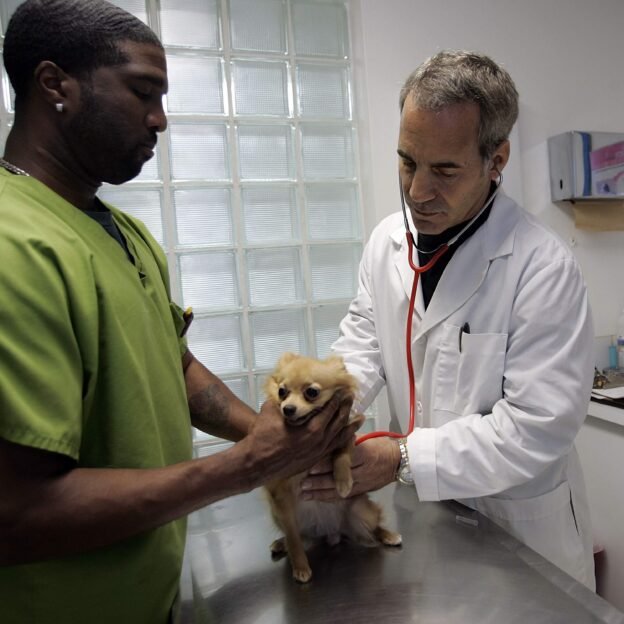
And… why pet care costs have surged. It comes down to unique skills, people’s love for their pets and something called the “Baumol effect.”
Related episodes:
– The Vet Clinic Chow Down
– What Do Private Equity Firms Actually Do?
– Kid Rock vs. The Scalpers
– Ticket scalpers: The real ticket masters
Listen free: Apple Podcasts, Spotify, the NPR app or anywhere you get podcasts.
Facebook / Instagram / TikTok / Our weekly Newsletter.
This episode is hosted by Darian Woods, Adrian Ma, and Wailin Wong. These episodes of The Indicator were originally produced by Angel Carreras. Cooper Katz McKim produced this episode. It was engineered by Robert Rodriguez and fact-checked by Sierra Juarez. Kate Concannon is The Indicator’s editor. Alex Goldmark is Planet Money‘s executive producer.
See pcm.adswizz.com for information about our collection and use of personal data for sponsorship and to manage your podcast sponsorship preferences.
This week’s SNAP crisis is just a preview. Tucked inside the giant tax-cut and spending bill signed by President Donald Trump this summer are enormous cuts to SNAP: Who qualifies, how much they get, and who foots the bill for the program. That last part is a huge change.
For the entire history of the food stamp program, the federal government has paid for all the benefits that go out. States pay part of the cost of administering it, but the food stamp money has come entirely from federal taxpayers. This bill shifts part of the costs to states.
How much will states have to pay? It depends. The law ties the amount to a statistic called the Payment Error Rate — the official measure of accuracy — whether states are giving recipients either too much, or too little, in food stamp money.
On today’s show, we go to Oregon to meet the bureaucrats on the front lines of getting that error rate down — and ask Governor Tina Kotek what’s going to happen if they can’t.
Looking for hunger-relief resources? Try here.
Pre-order the Planet Money book and get a free gift. / Subscribe to Planet Money+.
Listen free: Apple Podcasts, Spotify, the NPR app or anywhere you get podcasts.
Facebook / Instagram / TikTok / Our weekly Newsletter.
This episode was hosted by Nick Fountain and Jeff Guo. It was produced by James Sneed and Willa Rubin, edited by Marianne McCune and Jess Jiang, fact-checked by Sierra Juarez, and engineered by Debbie Daughtry and Robert Rodriguez. Alex Goldmark is Planet Money’s executive producer.
See pcm.adswizz.com for information about our collection and use of personal data for sponsorship and to manage your podcast sponsorship preferences.