Original broadcast date: April 8, 2022. Giving and receiving care—it’s a natural part of life. But how do we offer the best possible support for our loved ones? This hour, TED speakers share ideas on reimagining caregiving. Guests include dementia care advocate Yvonne van Amerongen, attorney Diana Adams, inclusion advocate Sara Jones, and comedian Bill Bernat.
TED Radio Hour+ subscribers now get access to bonus episodes, with more ideas from TED speakers and a behind the scenes look with our producers. A Plus subscription also lets you listen to regular episodes (like this one!) without sponsors. Sign-up at plus.npr.org/ted.
See pcm.adswizz.com for information about our collection and use of personal data for sponsorship and to manage your podcast sponsorship preferences.
NPR Privacy Policy
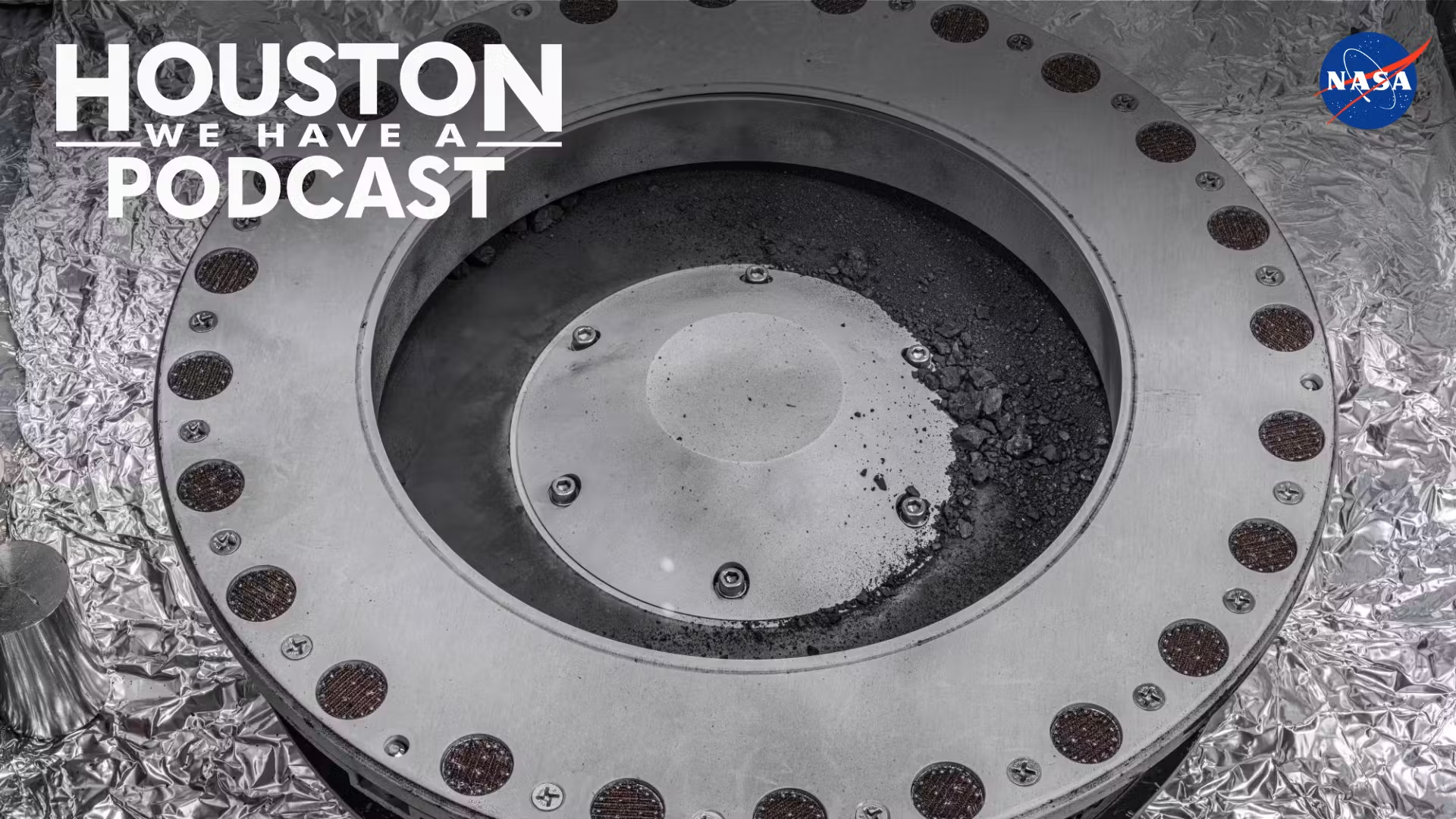
Planetary scientists and OSIRIS-REx co-investigators at NASA’s Johnson Space Center walk us through the processes and emotions of working in the lab with asteroid Bennu’s precious samples. HWHAP Episode 319.
On today’s show, we look at two indicators of the economic disruptions of the war in Gaza and try to trace how far they will reach.
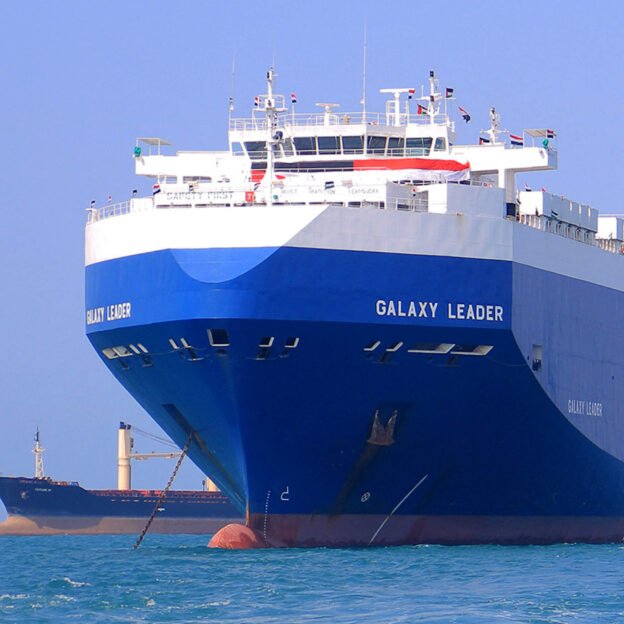
We start in the Red Sea, a crucial link in the global supply chain connecting to the Suez Canal, with around 15% of the world’s shipping passing through it. This includes oil tankers and massive container ships transporting everything from microchips to furniture. With Houthi rebels attacking container ships in solidarity with Palestinians in Gaza, shipping lines are re-routing, adding time and cost to delivery. We look at how ocean shipping is a web more than a chain of links, and try to see which parts of the web can take up more strain as the Red Sea and the Suez Canal become too dangerous to pass.
Then, we’ll consider what escalation could mean for the region’s most important export: oil. Five steps of escalation each mean a ratcheting up of costs that knock on to other industries, like food. Some prices are likely to rise faster than others, though.
Help support Planet Money and get bonus episodes by subscribing to Planet Money+ in Apple Podcasts or at plus.npr.org/planetmoney.
See pcm.adswizz.com for information about our collection and use of personal data for sponsorship and to manage your podcast sponsorship preferences.
NPR Privacy Policy
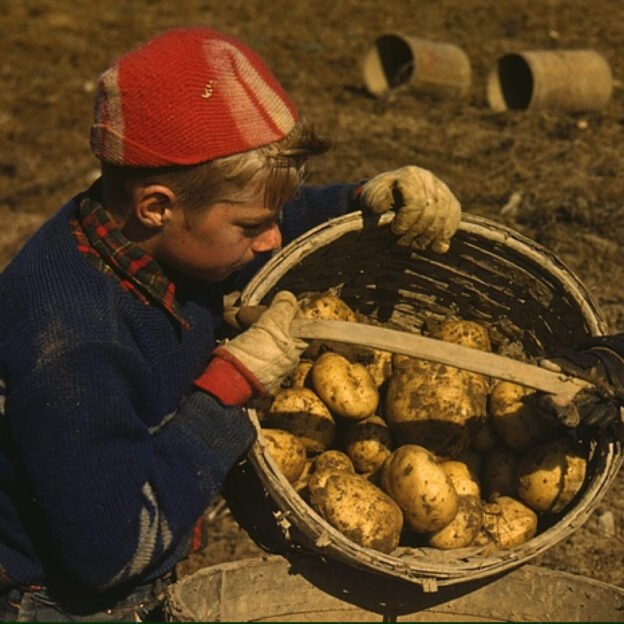
When you think of a potato, one state probably comes to mind: Idaho. But for much of American history, Maine was home to the nation’s largest potato crop.
That status had changed by the 1970s, with the West growing more and more of the nation’s potatoes. But Maine still had one distinct advantage: A privileged position in the commodities market. The New York Mercantile Exchange, one of the largest such marketplaces in the country, exclusively dealt in Maine potatoes. And two deep-pocketed Western potato kingpins weren’t happy about it.
So the Westerners waged what’s now called the Maine Potato War of 1976. Their battlefield was the futures market: A special type of marketplace, made up of hordes of screaming traders, where potatoes can be bought and sold before they’re even planted.
The Westerners did something so bold – and so unexpected – that it brought not only the potato market, but the entire New York commodities exchange, to its knees.
Today on the show, how a war waged through futures contracts influenced the kind of potatoes we eat.
This episode was hosted by Dylan Sloan and Nick Fountain. This episode was produced by Sam Yellowhorse Kesler with help from Emma Peaslee. It was edited by Molly Messick, engineered by Valentina Rodríguez Sánchez, and fact checked by Sierra Juarez. Our executive producer is Alex Goldmark.
Help support Planet Money and get bonus episodes by subscribing to Planet Money+ in Apple Podcasts or at plus.npr.org/planetmoney.
See pcm.adswizz.com for information about our collection and use of personal data for sponsorship and to manage your podcast sponsorship preferences.
NPR Privacy Policy
There’s a lot to keep us up at night. How do we manage our time, navigate financial uncertainty, escape a doom and gloom spiral? This hour, TED speakers help us flip the script as we face the future. Guests include time management expert Laura Vanderkam, non-profit CEO Aisha Nyandoro, environmental data scientist Hannah Ritchie and writer Emily Esfahani Smith.
TED Radio Hour+ subscribers now get access to bonus episodes, with more ideas from TED speakers and a behind the scenes look with our producers. A Plus subscription also lets you listen to regular episodes (like this one!) without sponsors. Sign-up at plus.npr.org/ted.
See pcm.adswizz.com for information about our collection and use of personal data for sponsorship and to manage your podcast sponsorship preferences.
NPR Privacy Policy
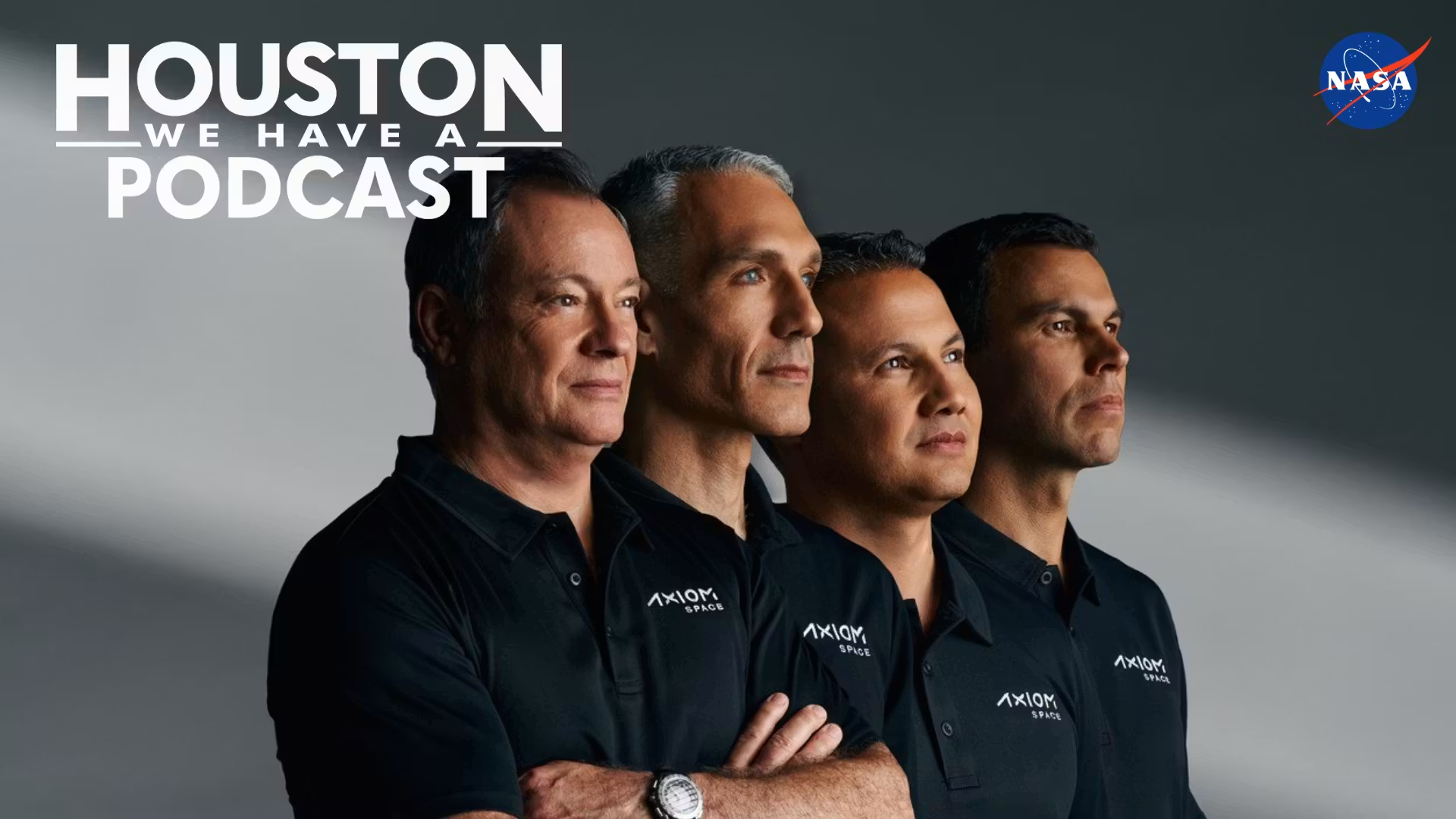
Michael Lopez-Alegria, former NASA astronaut and current commander of Axiom Mission 3, discusses his career and the upcoming private astronaut mission to the International Space Station. HWHAP Episode 318.
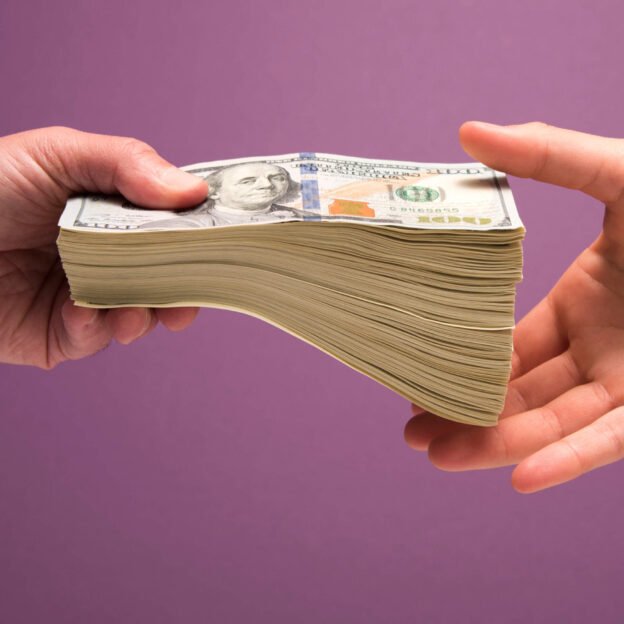
There’s this fundamental question in economics that has proven really hard to answer: What’s a good way to help people out of poverty? The old-school way was to fund programs that would support very particular things, like buying cows for a village, giving people business training, or building schools.
But over the past few decades, there has been a new idea: Could you help people who don’t have money by … just giving them money? We covered this question in a segment of This American Life that originally ran in 2013. Economists who studied the question found that giving people cash had positive effects on recipients’ economic and psychological well-being. Maybe they bought a cow that could earn them money each week. Maybe they could replace their grass roofs with metal roofs that didn’t need fixing every so often.
The success of just giving people in poverty cash has spawned a whole set of new questions that economists are now trying to answer. Like, if we do just give money, what’s the best way to do that? Do you just give it all at once? Or do you dole it out over time? And it turns out… a huge new study on giving cash was just released and it’s got a lot of answers.
Help support Planet Money and get bonus episodes by subscribing to Planet Money+ in Apple Podcasts or at plus.npr.org/planetmoney.
See pcm.adswizz.com for information about our collection and use of personal data for sponsorship and to manage your podcast sponsorship preferences.
NPR Privacy Policy
In the interest of New Year’s resolutions, we’re bringing you this bonus episode from our friends at the Ten Percent Happier podcast. Host Dan Harris speaks with meditation expert Jon Kabat-Zinn about starting a practice and being more mindful in our everyday lives.
See pcm.adswizz.com for information about our collection and use of personal data for sponsorship and to manage your podcast sponsorship preferences.
NPR Privacy Policy
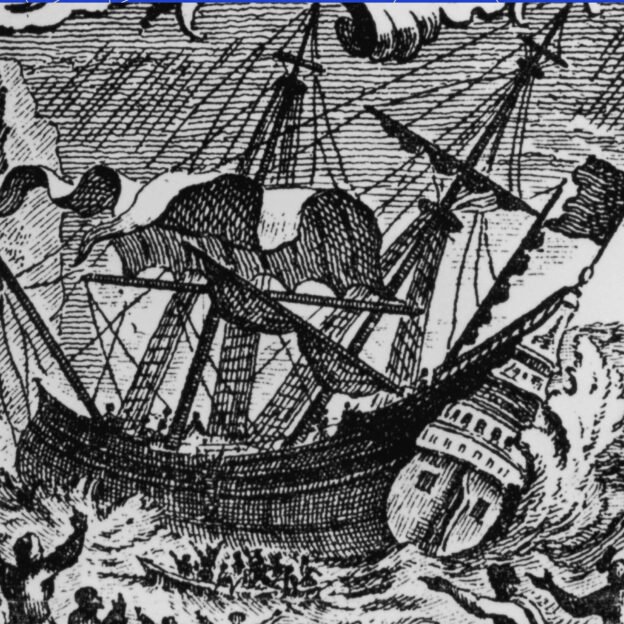
Picture the Pacific Ocean of the 16th century. Spanish Galleons sail the wide open seas, carrying precious cargo like silver, porcelain, and textiles. The waters are dangerous; ship logs show concerns over pirates. But pirates are not to blame for a mysterious event that keeps happening.
For, you see, one in five of the ships leaving from the port of Manila didn’t make it to Acapulco. It’s a shipwrecking rate much higher than rates for other routes of the time. And the mystery of the serial shipwrecking Spanish ships remains unsolved, until today.
Everyone involved with these Spanish ships were aligned in a goal: Don’t wreck the Spanish ships. And yet, wreck they did. Three economists took a look at the incentives for profit and risk at the time, and found the key to unlocking this ancient booty (of knowledge).
Our show today was produced by James Sneed, edited by Jess Jiang, fact-checked by Sierra Juarez, and engineered by Cena Loffredo. Alex Goldmark is Planet Money’s executive producer.
Help support Planet Money and get bonus episodes by subscribing to Planet Money+ in Apple Podcasts or at plus.npr.org/planetmoney.
See pcm.adswizz.com for information about our collection and use of personal data for sponsorship and to manage your podcast sponsorship preferences.
NPR Privacy Policy
Original Broadcast Date: January 13, 2023. Resolutions are easy to make, even easier to break. But what if a story or idea can motivate us in a whole new way? This hour, TED speakers offer different perspectives on our most common resolutions. Guests include neuroscientists Wendy Suzuki and Sandra Aamodt, science journalist Catherine Price, behavioral scientist Wendy De La Rosa, and authors Pico Iyer and A.J. Jacobs.
See pcm.adswizz.com for information about our collection and use of personal data for sponsorship and to manage your podcast sponsorship preferences.
NPR Privacy Policy