Original broadcast date: April 29, 2022. From workplaces to schools to national governments, leaders everywhere are being called on to solve complex problems with humility and bravery. This hour, we consider what it takes to be a leader. Guests include executive coach Patrice Gordon, organizational psychologist Tomas Chamorro-Premuzic, former First Minister of Scotland Nicola Sturgeon, and educator Shabana Basij-Rasikh.
TED Radio Hour+ subscribers now get access to bonus episodes, with more ideas from TED speakers and a behind the scenes look with our producers. A Plus subscription also lets you listen to regular episodes (like this one!) without sponsors. Sign-up at plus.npr.org/ted.
See pcm.adswizz.com for information about our collection and use of personal data for sponsorship and to manage your podcast sponsorship preferences.
NPR Privacy Policy
NASA experts discuss the considerations when looking at landing locations for future human missions to the Moon’s surface. HWHAP Episode 321.
Note: This episode originally ran in 2015.
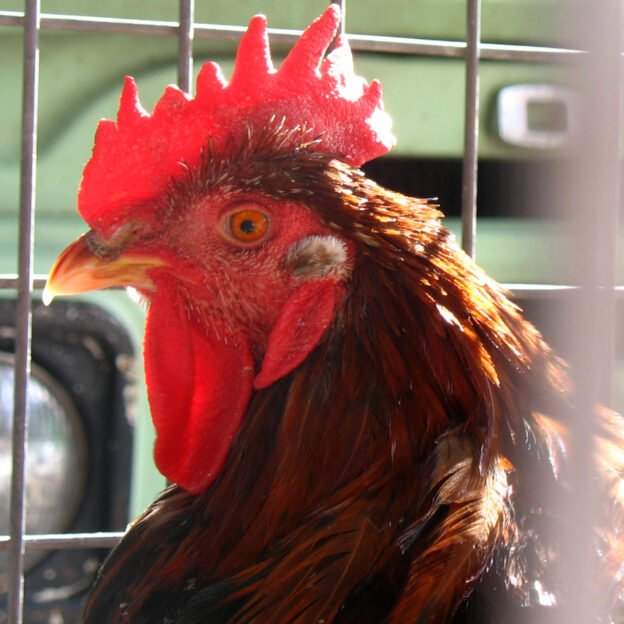
German families in the 60s loved tasty, cheap American-raised chicken that was suddenly coming in after the war. And Americans were loving fun, cheap Volkswagen Beetles. This arrangement was too good to last.
Today on the show, how a trade dispute over frozen chicken parts changed the American auto industry as we know it.
This episode was reported by Robert Smith and Sonari Glinton. It was produced by Frances Harlow.
Help support Planet Money and get bonus episodes by subscribing to Planet Money+ in Apple Podcasts or at plus.npr.org/planetmoney.
See pcm.adswizz.com for information about our collection and use of personal data for sponsorship and to manage your podcast sponsorship preferences.
NPR Privacy Policy
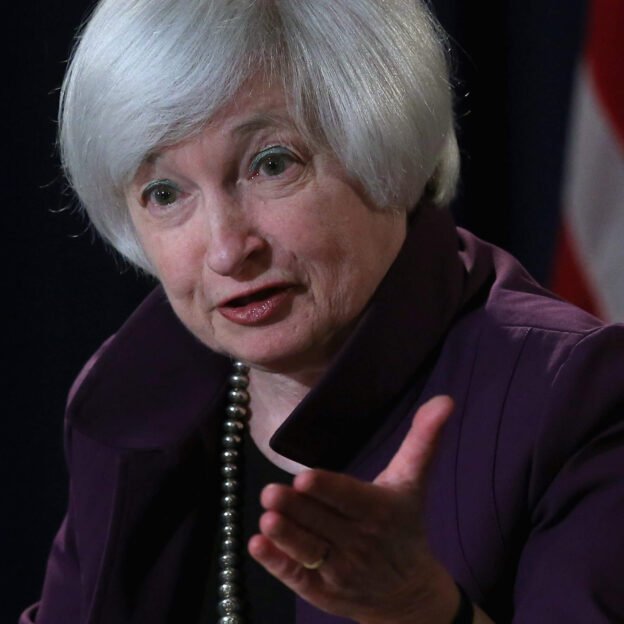
Our friends at NPR’s news quiz Wait Wait…Don’t Tell Me! recently had a very Planet Money guest on their show: Treasury Secretary Janet Yellen. They asked her about smoking pot, her extremely high scores in Candy Crush, and when to expect the Harriet Tubman $20 bill.
Today, we’re sharing an excerpt of that episode with you, along with some exclusive questions just for Planet Money listeners.
You can listen to the full show and subscribe to Wait Wait…Don’t Tell Me! wherever you find your podcasts.
Help support Planet Money and get bonus episodes by subscribing to Planet Money+ in Apple Podcasts or at plus.npr.org/planetmoney.
See pcm.adswizz.com for information about our collection and use of personal data for sponsorship and to manage your podcast sponsorship preferences.
NPR Privacy Policy
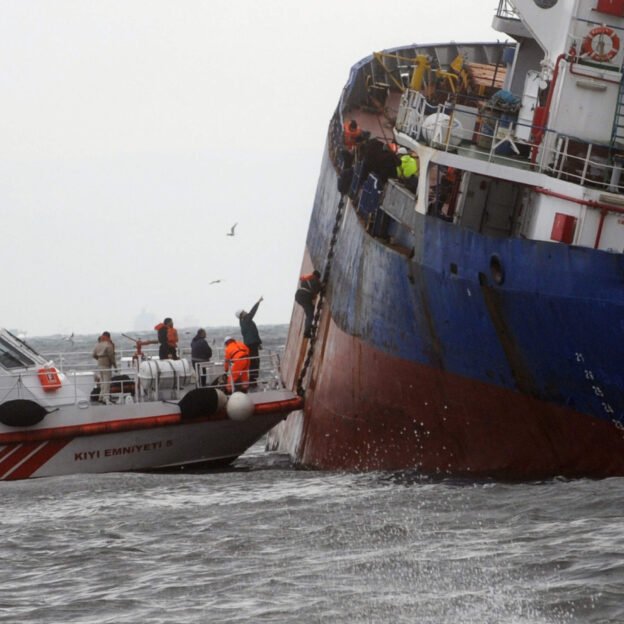
At around 1 a.m. on the morning of November 15, 1994, Captain Prentice “Skip” Strong III woke to a distress call. Skip was the new captain of an oil tanker called the Cherry Valley. He and his crew had been making their way up the coast of Florida that evening when a tropical storm had descended. It had been a rough night of 15 foot waves and 50 mile per hour winds.
The distress call was coming from a tugboat whose engines were failing in the storm. Now adrift, the tugboat was on a dangerous collision course with the shore. The only ship close enough to mount a rescue was the Cherry Valley.
Skip faced a difficult decision. A fully loaded, 688-foot oil tanker is hardly anyone’s first choice of a rescue vessel. It is as maneuverable as a school bus on ice. And the Cherry Valley was carrying ten million gallons of heavy fuel oil. A rescue attempt would put them in dangerously shallow water. One wrong move, and they would have an ecological disaster on the order of the Exxon Valdez.
What happened next that night would be dissected and debated for years to come. The actions of Skip and his crew would lead to a surprising discovery, a record-setting lawsuit, and one of the strangest legal battles in maritime history. At the center of it all, an impossible question: How do you put a price tag on doing the right thing?
Help support Planet Money and get bonus episodes by subscribing to Planet Money+ in Apple Podcasts or at plus.npr.org/planetmoney.
See pcm.adswizz.com for information about our collection and use of personal data for sponsorship and to manage your podcast sponsorship preferences.
NPR Privacy Policy
We’re entering a new era of brain monitoring and enhancement, but what are the ethical implications? This hour, TED speakers explore the potential and pitfalls of merging our minds with machines. Guests include legal scholar and AI ethicist Nita Farahany, neurotechnologist and entrepreneur Conor Russomanno, neuroscientist and physician Sergiu Pașca and sous chef Kate Faulkner.
TED Radio Hour+ subscribers now get access to bonus episodes, with more ideas from TED speakers and a behind the scenes look with our producers. A Plus subscription also lets you listen to regular episodes (like this one!) without sponsors. Sign-up at plus.npr.org/ted.
See pcm.adswizz.com for information about our collection and use of personal data for sponsorship and to manage your podcast sponsorship preferences.
NPR Privacy Policy
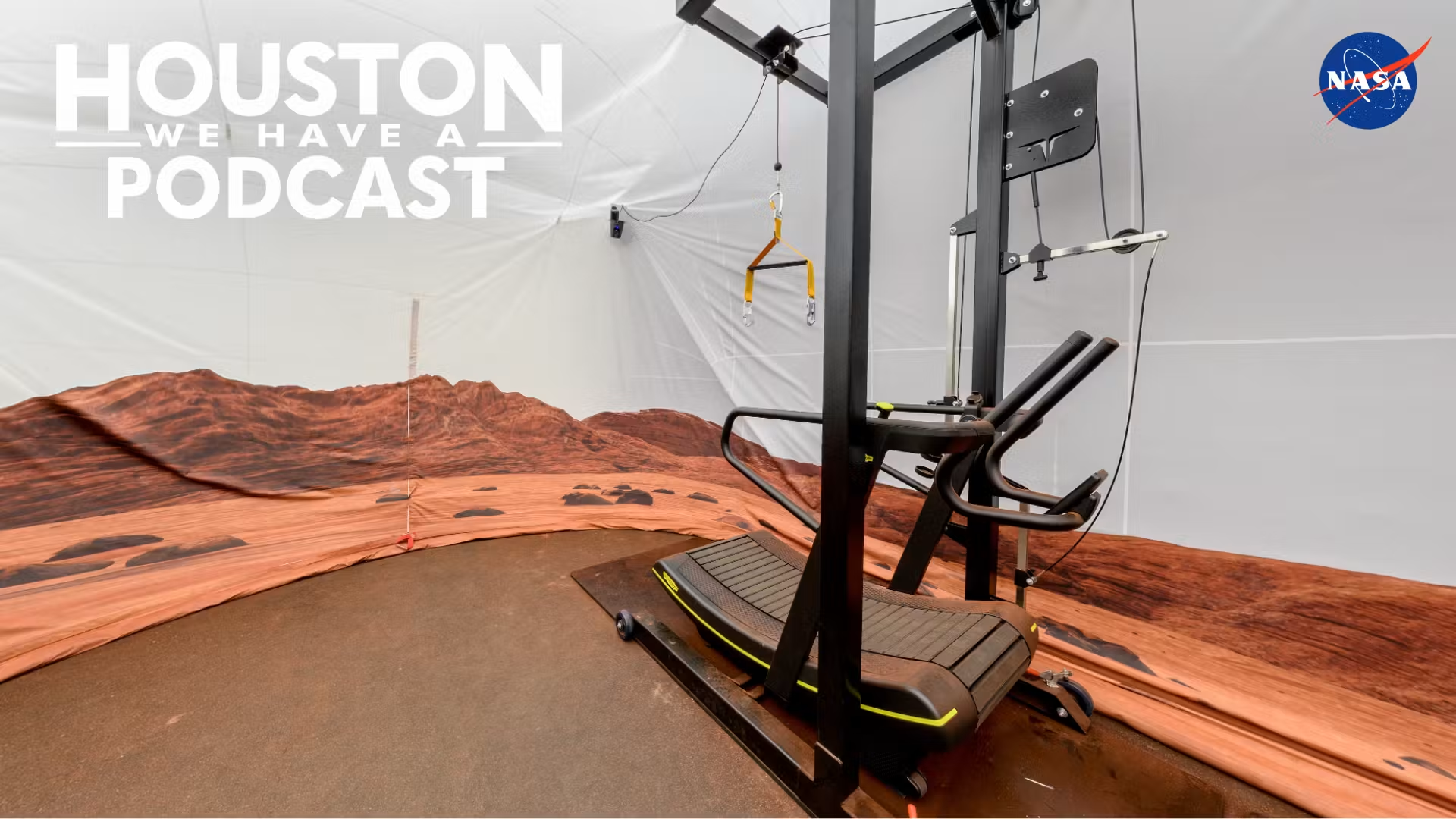
The CHAPEA crew gives an update as they hit their halfway mark of their yearlong mission, and human performance scientists discuss exercising in a simulated Mars habitat. This is the sixth audio log of a monthly series. HWHAP Episode 320.
On today’s episode, we have three big economic ideas for your consideration – ideas that could potentially improve the economy and make us more efficient.
First, what if we ban left turns on roads? Then, what if we gave every new baby … a trust fund? And lastly, what if we completely got rid of U.S. congressional districts?
That’s all on today’s episode.
This show was hosted by Sarah Gonzalez. It was produced by Willa Rubin and Emma Peaslee with help from Sam Yellowhorse Kesler. It was edited by Dave Blanchard and engineered by Robert Rodriguez. It was fact-checked by Sierra Juarez. Alex Goldmark is Planet Money’s executive producer.
Help support Planet Money and get bonus episodes by subscribing to Planet Money+ in Apple Podcasts or at plus.npr.org/planetmoney.
Always free at these links: Apple Podcasts, Spotify, Google Podcasts, the NPR app or anywhere you get podcasts.
See pcm.adswizz.com for information about our collection and use of personal data for sponsorship and to manage your podcast sponsorship preferences.
NPR Privacy Policy
Last year Novo Nordisk, the Danish pharmaceutical company behind Ozempic and Wegovy, overtook LVMH to become Europe’s most valuable company. And the pull for Acquired to finally tackle healthcare (18% of US GDP!) became too strong for us to resist. While we didn’t know much about Novo Nordisk before diving in, our first thought was, “wow, seems like these new diabetes and obesity drugs mean serious trouble for big insulin companies.”
And then… we realized that Novo Nordisk IS the big insulin company. And in a story befitting of Steve Jobs and Apple, they’d just disrupted themselves with the drug equivalent of an iPhone moment. Once we dug further, we quickly realized this company has it all: an incredible 100+ year history filled with Nobel Prizes, bitter personal rivalries, board room dramas, a generation-defining silicon valley innovation, lone voices persevering against all odds — and oh yeah, the world’s largest charitable foundation at its helm. Tune in for one incredible story!
Sponsors:
More Acquired!
© Copyright 2015-2026 ACQ, LLC
Links:
Carve Outs:
Note: Acquired hosts and guests may hold assets discussed in this episode. This podcast is not investment advice, and is intended for informational and entertainment purposes only. You should do your own research and make your own independent decisions when considering any financial transactions.
After very high inflation, the United States is finally feeling some relief in the form of “disinflation.” But, why exactly has inflation slowed down?
Three Planet Money hosts try to answer that question while competing to be the winner of our very own reporting challenge: Econ Battle Zone!
It’s economics journalism meets high-stakes reality TV competition! Will our contestants be able to impress our celebrity judges? How will they manage to incorporate their mystery ingredients? Who will take home the championship belt? Tune in for the inaugural episode of…Econ Battle Zone!
This episode was hosted by Keith Romer, Amanda Aronczyk, Erika Beras, and Alexi Horowitz-Ghazi. James Sneed produced this episode with help from Emma Peaslee. The show was edited by Molly Messick, engineered by Cena Loffredo, and fact checked by Sierra Juarez. Alex Goldmark is our executive producer.
Help support Planet Money and get bonus episodes by subscribing to Planet Money+ in Apple Podcasts or at plus.npr.org/planetmoney.
See pcm.adswizz.com for information about our collection and use of personal data for sponsorship and to manage your podcast sponsorship preferences.
NPR Privacy Policy