Original broadcast date: September 9, 2022. In an era dominated by labels, how can we fully embrace the nuances of being human? This hour, TED speakers share ideas for reconciling conflicting emotions and circumstances to make art and find joy. Guests include authors Gabby Rivera and Susan Cain, musician and podcast creator Hrishikesh Hirway, and Olympian Allyson Felix.
See pcm.adswizz.com for information about our collection and use of personal data for sponsorship and to manage your podcast sponsorship preferences.
NPR Privacy Policy
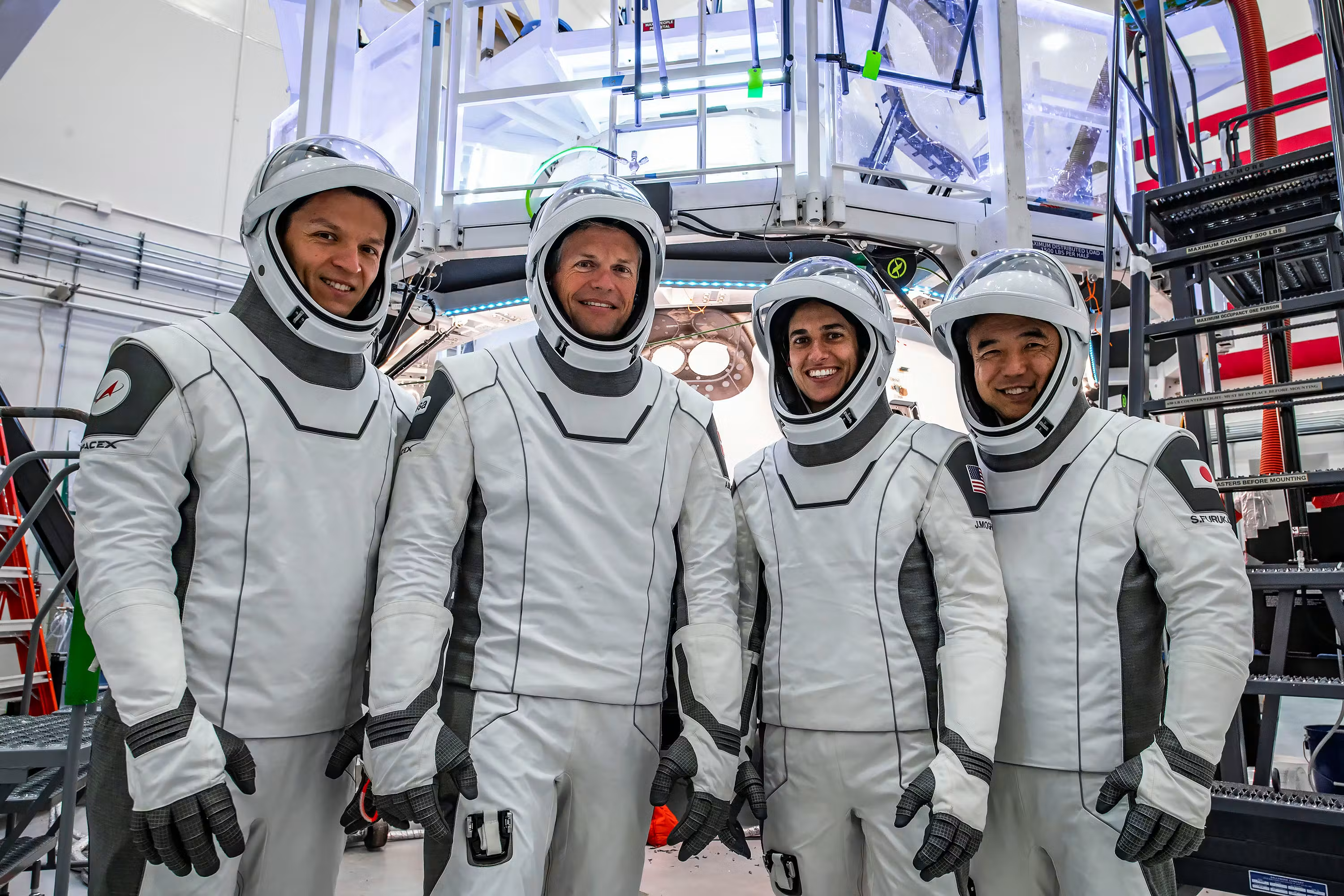
Hear from the Crew-7 cadre ahead of their launch to the International Space Station. HWHAP Episode 301.
“It’s difficult to control everything,” says our guest professor for this week, Santiago Gallino. “What is not difficult is to plan for everything.” Today we venture into the sphere of business that masters the planning, and backup planning: operations management.
It’s more than just predicting a bottleneck and imagining a solution, because there’s always a bottleneck to clear. It’s about modeling, and weighing the costs of messing up vs. missing out. For instance, take a newspaper vendor who has to decide how many newspapers to sell tomorrow morning. Do they buy fewer, knowing that they’ll sell out–and then miss out on potential revenue from papers not sold? Or do they order more than they expect to sell, just in case–and eat the cost of a few unsold papers? This type of trade-off applies to all kinds of businesses, and Gallino talks us through how to choose.
The only certainty in this life is uncertainty. But we are certain you will come out of this episode feeling better prepared for your future business. And fortunately, there are no bottlenecks in podcasting.
The series is hosted by Robert Smith and produced by Max Freedman. Our project manager is Julia Carney. This episode was edited by Alex Goldmark and engineered by James Willetts. The show is fact-checked by Sierra Juarez.
Help support Planet Money and get bonus episodes by subscribing to Planet Money+ in Apple Podcasts or at plus.npr.org/planetmoney.
See pcm.adswizz.com for information about our collection and use of personal data for sponsorship and to manage your podcast sponsorship preferences.
NPR Privacy Policy
“It’s difficult to control everything,” says our guest professor for this week, Santiago Gallino. “What is not difficult is to plan for everything.” Today we venture into the sphere of business that masters the planning, and backup planning: operations management.
It’s more than just predicting a bottleneck and imagining a solution, because there’s always a bottleneck to clear. It’s about modeling, and weighing the costs of messing up vs. missing out. For instance, take a newspaper vendor who has to decide how many newspapers to sell tomorrow morning. Do they buy fewer, knowing that they’ll sell out–and then miss out on potential revenue from papers not sold? Or do they order more than they expect to sell, just in case–and eat the cost of a few unsold papers? This type of trade-off applies to all kinds of businesses, and Gallino talks us through how to choose.
The only certainty in this life is uncertainty. But we are certain you will come out of this episode feeling better prepared for your future business. And fortunately, there are no bottlenecks in podcasting.
The series is hosted by Robert Smith and produced by Max Freedman. Our project manager is Julia Carney. This episode was edited by Alex Goldmark and engineered by James Willetts. The show is fact-checked by Sierra Juarez.
Help support Planet Money and get bonus episodes by subscribing to Planet Money+ in Apple Podcasts or at plus.npr.org/planetmoney.
See pcm.adswizz.com for information about our collection and use of personal data for sponsorship and to manage your podcast sponsorship preferences.
NPR Privacy Policy
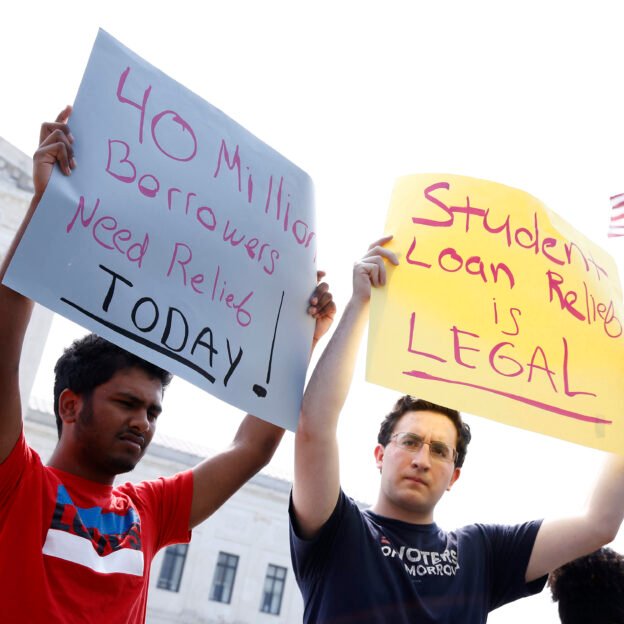
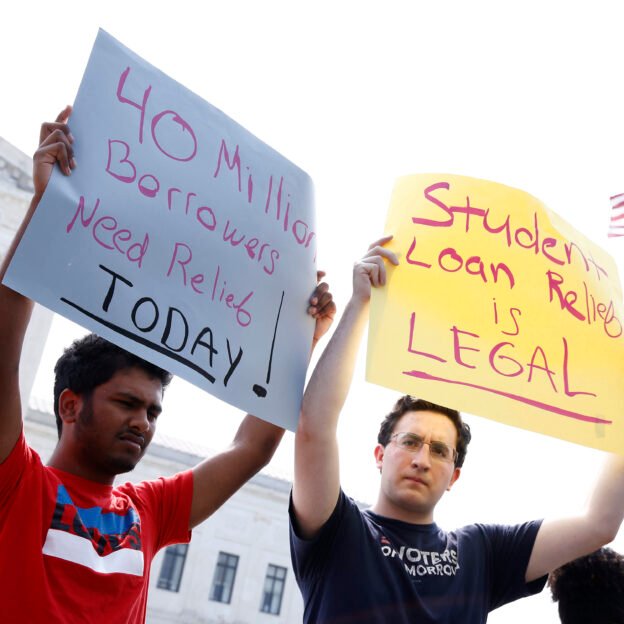
This summer, the Supreme Court struck down Biden’s plan to forgive student loan debt for millions of borrowers. Except, on the same day Biden first announced that plan, he also unveiled another, the SAVE plan. And though SAVE sounded less significant than Biden’s big forgiveness pledge, it’s still alive and could erase even more student debt.
SAVE is officially a loan repayment plan. But through a few seemingly minor yet powerful provisions, many more low-income borrowers will end up paying little or nothing until, eventually, their loans will be forgiven. Even many higher-income borrowers will see some of their debts erased.
In this episode, we explain the history of income-driven repayment. And how borrowers could end up paying less than they might expect once payments resume in October. You can read more from NPR’s Cory Turner’s here.
This episode was hosted by Cory Turner and Kenny Malone. It was produced by Emma Peaslee, and edited by Molly Messick. It was fact-checked by Sierra Juarez, and engineered by Robert Rodriguez. Alex Goldmark is Planet Money’s executive producer.
Help support Planet Money and get bonus episodes by subscribing to Planet Money+ in Apple Podcasts or at plus.npr.org/planetmoney.
Always free at these links: Apple Podcasts, Spotify, Google Podcasts, NPR One or anywhere you get podcasts.
Find more Planet Money: Facebook / Instagram / TikTok / Our weekly Newsletter.
Music: Universal Production Music – “Nola Strut,” “Funky Ride,” and “The Down Low Disco King”
See pcm.adswizz.com for information about our collection and use of personal data for sponsorship and to manage your podcast sponsorship preferences.
NPR Privacy Policy
This summer, the Supreme Court struck down Biden’s plan to forgive student loan debt for millions of borrowers. Except, on the same day Biden first announced that plan, he also unveiled another, the SAVE plan. And though SAVE sounded less significant than Biden’s big forgiveness pledge, it’s still alive and could erase even more student debt.
SAVE is officially a loan repayment plan. But through a few seemingly minor yet powerful provisions, many more low-income borrowers will end up paying little or nothing until, eventually, their loans will be forgiven. Even many higher-income borrowers will see some of their debts erased.
In this episode, we explain the history of income-driven repayment. And how borrowers could end up paying less than they might expect once payments resume in October. You can read more from NPR’s Cory Turner’s here.
This episode was hosted by Cory Turner and Kenny Malone. It was produced by Emma Peaslee, and edited by Molly Messick. It was fact-checked by Sierra Juarez, and engineered by Robert Rodriguez. Alex Goldmark is Planet Money’s executive producer.
Help support Planet Money and get bonus episodes by subscribing to Planet Money+ in Apple Podcasts or at plus.npr.org/planetmoney.
Always free at these links: Apple Podcasts, Spotify, Google Podcasts, NPR One or anywhere you get podcasts.
Find more Planet Money: Facebook / Instagram / TikTok / Our weekly Newsletter.
Music: Universal Production Music – “Nola Strut,” “Funky Ride,” and “The Down Low Disco King”
See pcm.adswizz.com for information about our collection and use of personal data for sponsorship and to manage your podcast sponsorship preferences.
NPR Privacy Policy
There are two sides to every coin — and sometimes our strengths become weaknesses. This hour, TED speakers explore the mixed blessings and volatile flip sides of mental health, parenting and AI. Guests include developmental psychologist Yuko Munakata, entrepreneur Andy Dunn and AI researcher Yejin Choi.
TED Radio Hour+ subscribers now get access to bonus episodes, with more ideas from TED speakers and a behind the scenes look with our producers. A Plus subscription also lets you listen to regular episodes (like this one!) without sponsors. Sign-up at plus.npr.org/ted.
See pcm.adswizz.com for information about our collection and use of personal data for sponsorship and to manage your podcast sponsorship preferences.
NPR Privacy Policy
For anyone running a business, technology is both threat and opportunity. Today, we run through techniques entrepreneurs can use to take advantage of new tech or defend against the dangers. It’s not just about the product you’re selling. It’s about consumer psychology, and ethics, and taking calculated risks to navigate uncertainty.
But, since this is Planet Money Summer School and we want to set your business on the path to riches, we’re going to talk about how to use tech to dream big. Maybe more than anything, technology creates opportunities for the little guys where the big established companies can’t be so nimble or have too much to lose.
Take the classic concept of the innovator’s dilemma: a company that innovated and succeeded, now faces a choice about any disruptive new technology. Do they risk tossing out their existing advantage and switch to the new tech, or play it safe and risk becoming obsolete?
Most new technologies don’t end up disrupting an industry. So it is totally rational for the big existing companies to ignore each new flash in the pan. But nobody wants to end up like Kodak: sticking with film while the digital camera takes off. So what to do?
Our friendly professor has a few ideas – for the little guy and the big old company. He’ll explain the shape of how new technology gets adopted, sometimes called the S curve. We’ll also hear examples of what stops promising new tech from taking off: from dishwashers to driverless cars, and even the humble elevator.
See pcm.adswizz.com for information about our collection and use of personal data for sponsorship and to manage your podcast sponsorship preferences.
NPR Privacy Policy
Predicting the future of the economy is always a dicey proposition. That is especially true after more than three years of pandemic-related economic weirdness. No one quite knows what will happen next.
Will the Fed be able to pull off a soft landing and bring down inflation without causing either a recession or a big jump in unemployment? Or will we end up with a hard landing, in which inflation comes down, but at the price of the country’s economic health? Or, a third possibility, will the Fed not successfully bring inflation down at all?
On today’s show, three economic experts explain what they look for when trying to make predictions about what might come next for the U.S. economy. And how those indicators lead them to very different conclusions. We will also consult a tarot card reader…to see if her reading of the future can help us know which outcome is the most likely.
This episode was hosted by Keith Romer, Sarah Gonzalez, and Jeff Guo. It was produced by Sam Yellowhorse Kesler and edited by Jess Jiang. It was engineered by Kwesi Lee with help from Maggie Luthar and fact-checked by Sierra Juarez. Alex Goldmark is our Executive Producer.
Help support Planet Money and get bonus episodes by subscribing to Planet Money+ in Apple Podcasts or at plus.npr.org/planetmoney.
See pcm.adswizz.com for information about our collection and use of personal data for sponsorship and to manage your podcast sponsorship preferences.
NPR Privacy Policy
Celebrating 300 episodes! To commemorate this milestone, we recorded this podcast in front of a live audience at Space Center Houston. We were joined by four special guests, who walk us through the future of a human presence in Low Earth Orbit, before opening the conversation up to an audience Q&A. HWHAP Episode 300.