Original broadcast date: March 11, 2022. From our planet’s underwater caves to its ancient soils, there are entire worlds right beneath our feet. This hour, we explore the subterranean forces that shape our lives above the ground. Guests include cave diver Jill Heinerth, death care advocate Katrina Spade, soil scientist Asmeret Asefaw Berhe, and paleontologist Nizar Ibrahim.
TED Radio Hour+ subscribers now get access to bonus episodes, with more ideas from TED speakers and a behind the scenes look with our producers. A Plus subscription also lets you listen to regular episodes (like this one!) without sponsors. Sign-up at plus.npr.org/ted.
See pcm.adswizz.com for information about our collection and use of personal data for sponsorship and to manage your podcast sponsorship preferences.
NPR Privacy Policy
In this session of Planet Money Summer School, we are getting the word out about your brand. How do you convince consumers to buy your product, even if they are only just hearing about it? It’s time for sales and marketing!
If you’ve watched a show like Mad Men or The Office, you know the importance of a strong pitch. It’s precision-crafted to show how what you’re selling can solve a problem your customer needs solved. Sometimes it even creates the need. Once you’ve got your sales pitch, it’s time to get the word out: marketing. Where to spread that message? How to make it unforgettable? Instantly recognizable? What is going to be your Just do it? Your Think different? Your Where’s the beef?
In our case studies today, we look at a product so cleverly marketed, the company doesn’t need to market it at all anymore and customers wait years to get it: the Birkin bag. And we hear lessons from some of the world’s most time tested salespeople who can and do sell anything, literally. It’s all about the four P’s: Product, place, promotion and price. Also, a few other tricks we test out.
Find all episodes of Planet Money Summer School here.
This series is hosted by Robert Smith, and produced by Max Freedman. Our project manager is Julia Carney. This episode was edited by Sally Helm and engineered by Josephine Nyounai. The show is fact-checked by Sierra Juarez. Planet Money’s executive producer is Alex Goldmark.
See pcm.adswizz.com for information about our collection and use of personal data for sponsorship and to manage your podcast sponsorship preferences.
NPR Privacy Policy
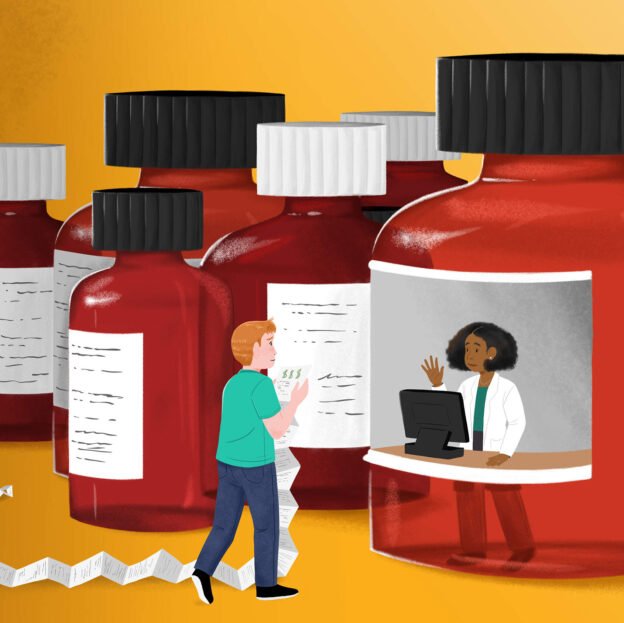
There’s an estimated $195 billion of medical debt in America. But just because a medical bill comes in the mail doesn’t mean you have to pay that exact price. In this special episode from our friends at Life Kit, you’ll learn how to eliminate, reduce or negotiate a medical bill.
If you liked this episode, you can check out more Life Kit here. They have episodes on how to choose a bank, and how to save money at the grocery store.
This episode of Life Kit was produced by Sylvie Douglis. Their visuals editor is Beck Harlan, and their digital editor is Danielle Nett. Meghan Keane is their supervising editor, and Beth Donovan is their executive producer.
Help support Planet Money and get bonus episodes by subscribing to Planet Money+ in Apple Podcasts or at plus.npr.org/planetmoney.
See pcm.adswizz.com for information about our collection and use of personal data for sponsorship and to manage your podcast sponsorship preferences.
NPR Privacy Policy
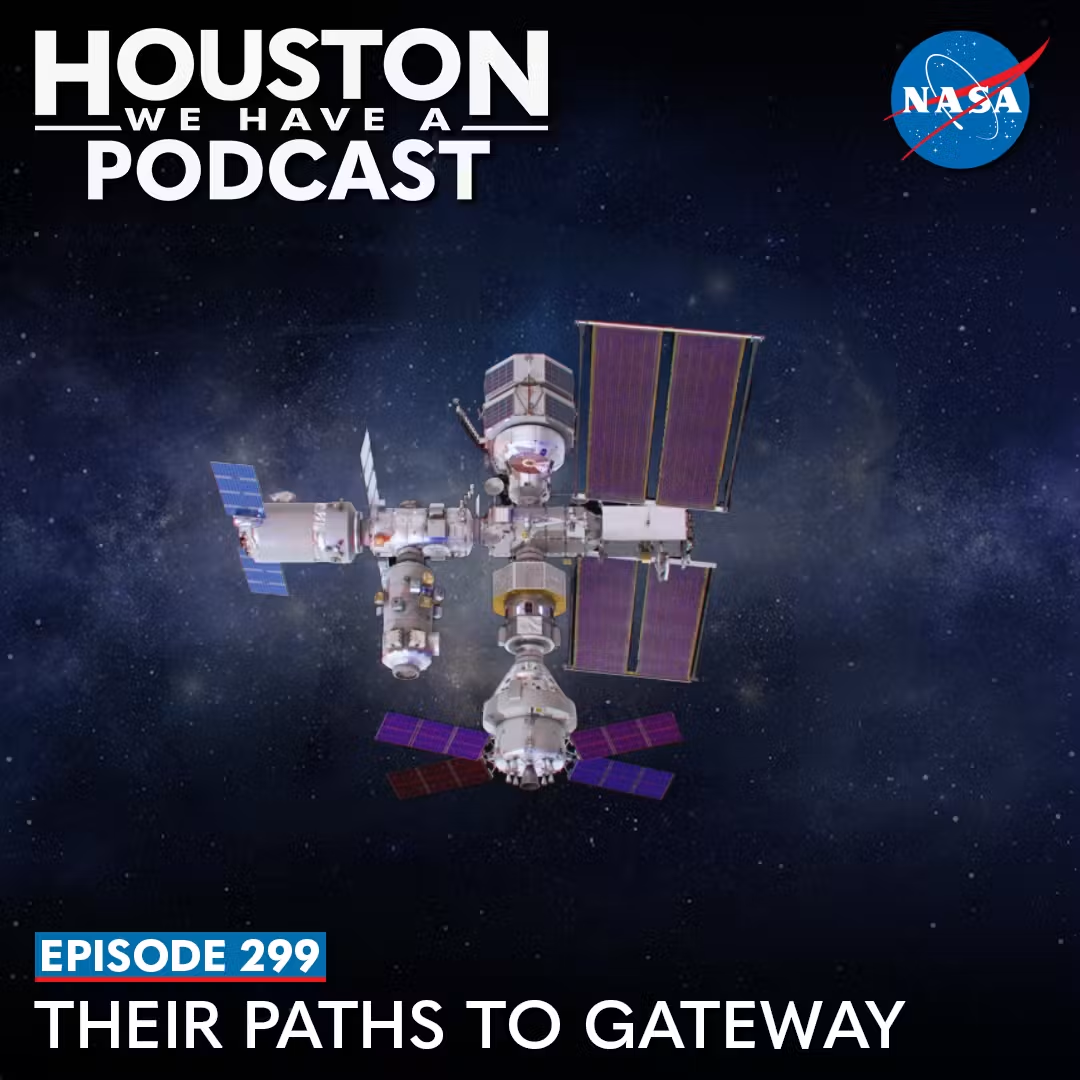
Hear from new Gateway leaders who give us an update on the lunar outpost for future Artemis missions to the Moon. HWHAP Episode 299.
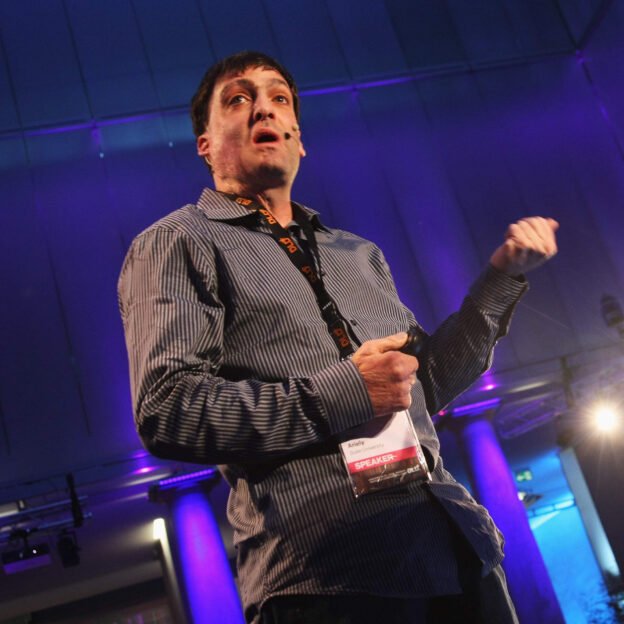
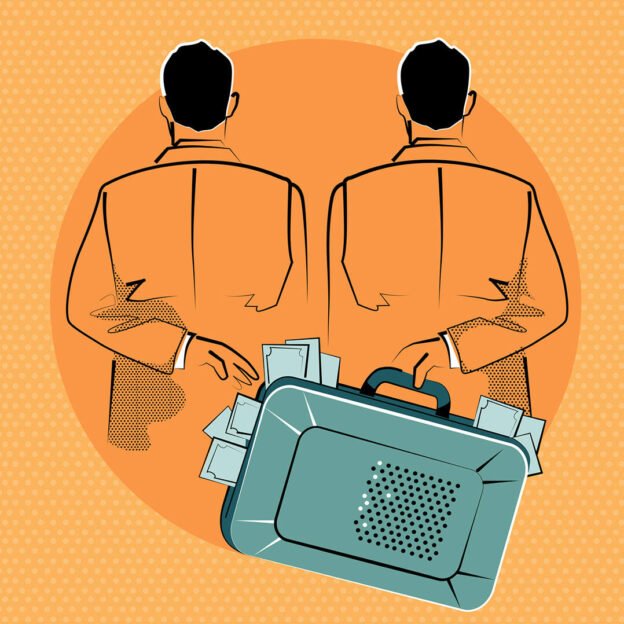
Dan Ariely and Francesca Gino are two of the biggest stars in behavioral science. Both have conducted blockbuster research into how to make people more honest, research we’ve highlighted on Planet Money. The two worked together on a paper about how to “nudge” people to be more honest on things like forms or tax returns. Their trick: move the location where people attest that they have filled in a form honestly from the bottom of the form to the top.
But recently, questions have arisen about whether the data Ariely and Gino relied on in their famous paper about honesty were fabricated — whether their research into honesty was itself built on lies. The blog Data Colada went looking for clues in the cells of the studies’ Excel spreadsheets, the shapes of their data distributions, and even the fonts that were used.
The Hartford, an insurance company that collaborated with Ariely on one implicated study, told NPR this week in a statement that it could confirm that the data it had provided for that study had been altered had been altered after they gave it to Ariely, but prior to the research’s publication: “It is clear the data was manipulated inappropriately and supplemented by synthesized or fabricated data.”
Ariely denies that he was responsible for the falsified data. “Getting the data file was the extent of my involvement with the data,” he told NPR.
Help support Planet Money and get bonus episodes by subscribing to Planet Money+ in Apple Podcasts or at plus.npr.org/planetmoney.
See pcm.adswizz.com for information about our collection and use of personal data for sponsorship and to manage your podcast sponsorship preferences.
NPR Privacy Policy
Fraud is everywhere around us — but not everyone steals for the same reasons. This hour, forensic accountant Kelly Richmond Pope explores the motivations and implications of why we cheat the system.
TED Radio Hour+ subscribers now get access to bonus episodes, with more ideas from TED speakers and a behind the scenes look with our producers. A Plus subscription also lets you listen to regular episodes (like this one!) without sponsors. Sign-up at plus.npr.org/ted.
See pcm.adswizz.com for information about our collection and use of personal data for sponsorship and to manage your podcast sponsorship preferences.
NPR Privacy Policy
Usually, the first class that an MBA student takes is accounting. That involves, yes, equations and counting widgets…but it’s more than that. Inside the simple act of accounting is a revolutionary way of thinking not just about a business, but about the world. A universe where all the forces are in balance. Accounting gives you a sixth sense–one that can help you determine whether your business will survive or fail.
In this class, you’ll learn the basics of accounting, and uncover its origins. We’ll introduce you to the man who helped it spread around the world. He was a monk, a magician, and possibly the boyfriend of Leonardo da Vinci.
Is accounting… sexy?
Yes. Yes it is.
Find all episodes of Planet Money Summer School here.
This series is hosted by Robert Smith, and produced by Max Freedman. Our project manager is Julia Carney. This episode was edited by Sally Helm and engineered by Robert Rodriguez. The show is fact-checked by Sierra Juarez. Planet Money’s executive producer is Alex Goldmark.
Help support Planet Money and get bonus episodes by subscribing to Planet Money+ in Apple Podcasts or at plus.npr.org/planetmoney.
See pcm.adswizz.com for information about our collection and use of personal data for sponsorship and to manage your podcast sponsorship preferences.
NPR Privacy Policy
Nike — it’s perhaps the most iconic and most prolific brand of the modern era. On any given day, swooshes adorn the feet of more people on earth than any other footwear company — by a long shot.
If you read Shoe Dog or watched Air, you may think you know its history. But Shoe Dog ends in 1980, and Air… well let’s just say it’s an enjoyable piece of fiction. And it turns out (as always) that the real story is filled with far more drama, twists and business lessons than either of those works.
We’ve been wanting to cover Nike for a long time, and thanks to our LPs who voted to choose this episode it’s finally here. So lace up your Vaporflys, Air Maxes, Dunks or Jordans (or your Monarchs, hey we don’t judge), head out for a long run or walk and enjoy!
Links:
Carve Outs:
Sponsors:
More Acquired!
© Copyright 2015-2026 ACQ, LLC
Note: Acquired hosts and guests may hold assets discussed in this episode. This podcast is not investment advice, and is intended for informational and entertainment purposes only. You should do your own research and make your own independent decisions when considering any financial transactions.
We here at Planet Money love economics papers. And that is also the case for so many of the economists we speak with. For them, new research can explain something they have always wondered about, or make them see something they have never noticed before. And it inspires their own work.
So, to bring that same sense of discovery to you, the listener, today we are dedicating our show to a special experiment. A new way to share some of the most fascinating, clever and surprising economics papers in a segment we’re calling: The Econ Paper Club.
On today’s show, we read the econ papers so you don’t have to. We take a joyous romp through some of the most fascinating ideas floating around economics right now. And we find that some of those fascinating ideas are about some of the biggest things in life: the careers we choose, the expectations that come with parenting and what one eminent economist calls ‘greedy jobs.’
This episode was hosted by Erika Beras and Kenny Malone. It was produced by Sam Yellowhorse Kesler and James Sneed. It was edited by Molly Messick. It was fact-checked by Sierra Juarez, and engineered by Robert Rodriguez. Alex Goldmark is our executive producer.
Help support Planet Money and get bonus episodes by subscribing to Planet Money+ in Apple Podcasts or at plus.npr.org/planetmoney.
Always free at these links: Apple Podcasts, Spotify, Google Podcasts, NPR One or anywhere you get podcasts.
Find more Planet Money: Facebook / Instagram / TikTok / Our weekly Newsletter.
See pcm.adswizz.com for information about our collection and use of personal data for sponsorship and to manage your podcast sponsorship preferences.
NPR Privacy Policy
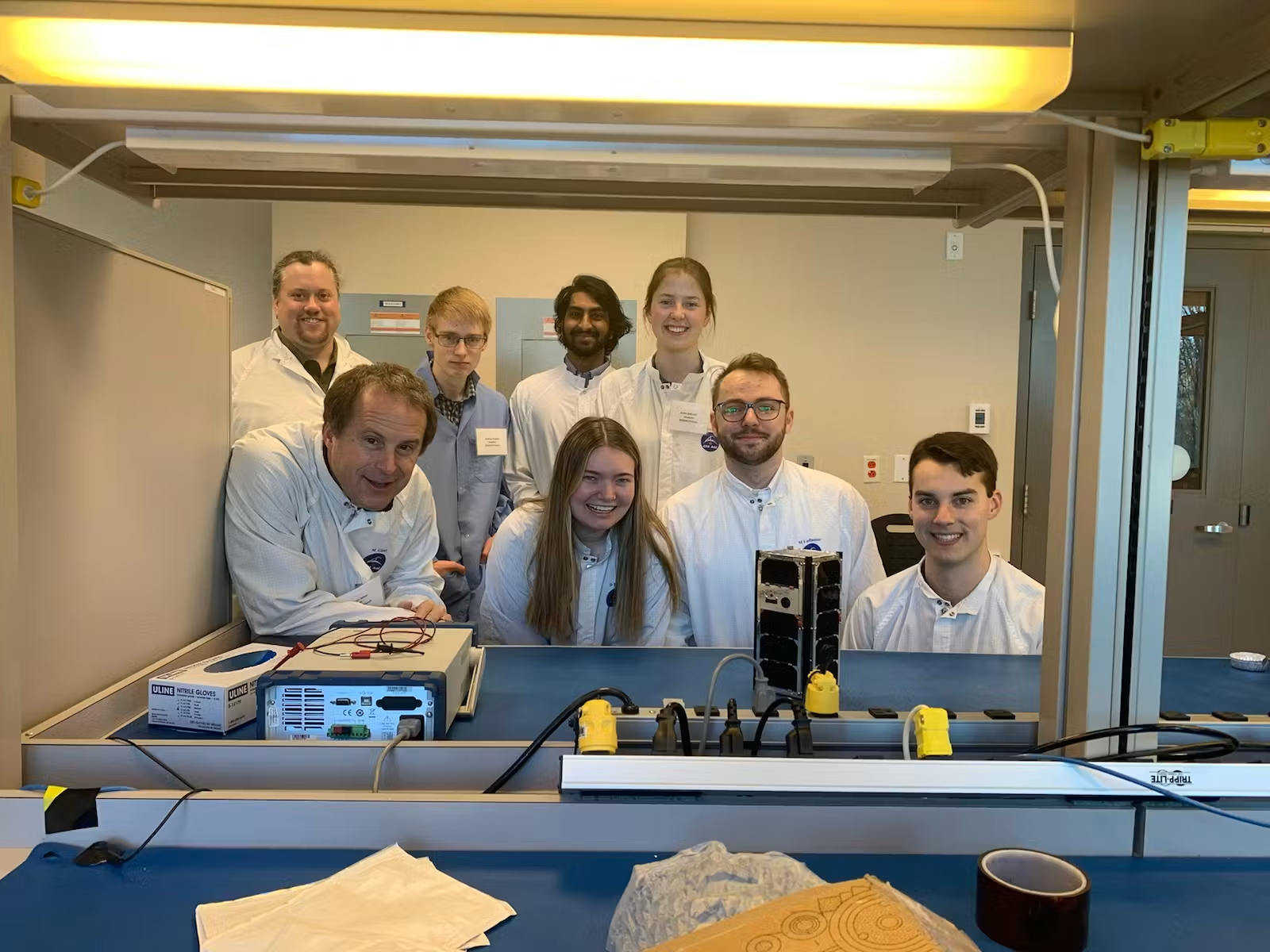
RADSAT-SK Technical Project manager and president of the University of Saskatchewan Space Design Team walk us through the ins and outs of the first satellite from Saskatchewan recently deployed from the space station. HWHAP Episode 298.