Experts at NASA’s Johnson Space Center discuss the new potable water dispenser that will soon be tested on the space station for future Artemis missions into deep space. HWHAP Episode 293.
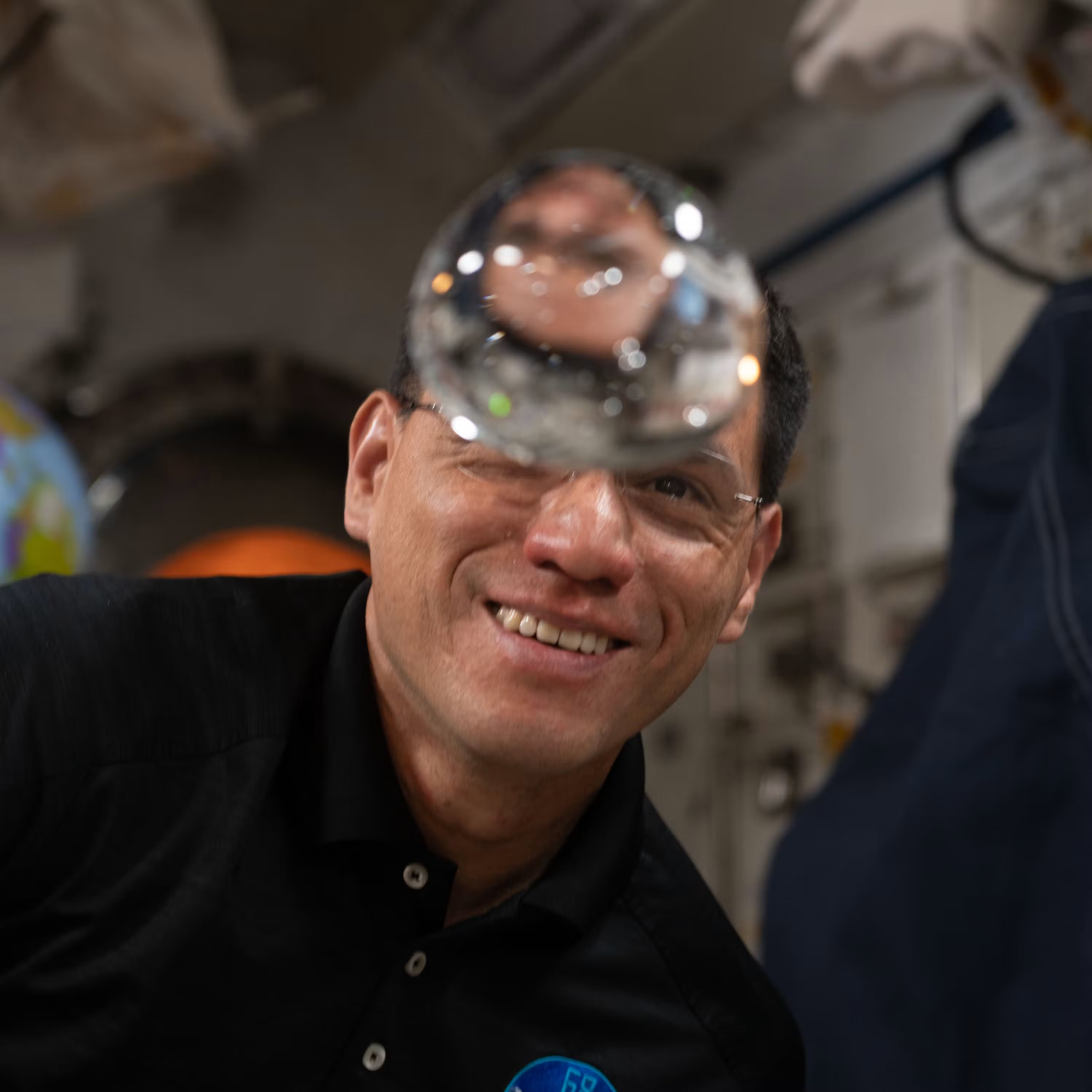
Experts at NASA’s Johnson Space Center discuss the new potable water dispenser that will soon be tested on the space station for future Artemis missions into deep space. HWHAP Episode 293.

Who will you be in 10 years? In 20 years? Envisioning how you will evolve is very hard. This hour, TED speakers share ideas on how to better plan for the future, while allowing for the unexpected. Guests include psychologist Hal Hershfield, journalist Shankar Vedantam, journalist Bina Venkataraman and philosopher Roman Krznaric.
TED Radio Hour+ subscribers now get access to bonus episodes, with more ideas from TED speakers and a behind the scenes look with our producers. A Plus subscription also lets you listen to regular episodes (like this one!) without sponsors. Sign-up at: plus.npr.org/ted
See pcm.adswizz.com for information about our collection and use of personal data for sponsorship and to manage your podcast sponsorship preferences.
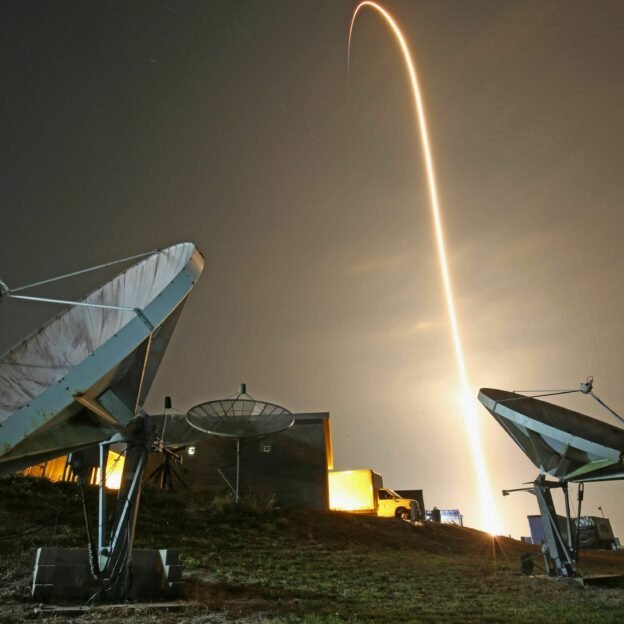
Innovation is crucial for game-changing advancements in society, whether it’s treatments for serious diseases, developments in AI technology, or rocket science.
Today on the show, we’re airing two episodes from our daily economics show The Indicator. First, a new paper suggests that breakthrough innovations are more likely at smaller, younger companies. We talk to an inventor who left a big pharmaceutical company to start afresh, leading to some incredible treatments for serious diseases.
Then, it’s off to Mars — or at least, on the way. Elon Musk’s company SpaceX did a first test launch of a rocket meant to go all the way to the red planet. The rocket made it up off of the launch pad and lumbered briefly through the sky before self-destructing over the Gulf of Mexico. Suffice it to say, it’s not quite ready. NPR science correspondent Geoff Brumfiel walks us through SpaceX’s business plan as we try to figure out if this company has the funding and business acumen to reach its moonshot goal.
These two Indicator episodes were originally produced by Corey Bridges & Brittany Cronin, engineered by Katherine Silva & James Willets, and fact-checked by Dylan Sloan & Sierra Juarez. Kate Concannon edits the show.
The Planet Money version of this episode was produced by Willa Rubin, engineered by Robert Rodriguez, and edited by Keith Romer.
Help support Planet Money and get bonus episodes by subscribing to Planet Money+ in Apple Podcasts or at plus.npr.org/planetmoney.
See pcm.adswizz.com for information about our collection and use of personal data for sponsorship and to manage your podcast sponsorship preferences.
Uber CEO Dara Khosrowshahi dropped by the Acquired studio for an Eats delivery, so we broke out the cameras and asked him to hang out for a wide-ranging conversation. 🙂 We talk about his 20 years working with Barry Diller, starting his career at Allen & Company, how the Uber CEO search process ACTUALLY went down… and oh yeah, the massive transformation that’s happened at Uber over the past few years. When Dara took over the company it was bleeding huge sums of cash, losing share to competitors and embroiled in one of the biggest corporate controversies in recent memory. Fast forward to today and it’s turned cashflow positive while also having tripled revenue to over $30B (on $120B in GMV) and solidified its rideshare dominance in the US. And in perhaps the biggest change, it’s done it all while staying out of the headlines. Tune in!
Links
Sponsors:
More Acquired!
© Copyright 2015-2026 ACQ, LLC
Note: Acquired hosts and guests may hold assets discussed in this episode. This podcast is not investment advice, and is intended for informational and entertainment purposes only. You should do your own research and make your own independent decisions when considering any financial transactions.
In the early 90s, when a young economist named Michael Kremer finished his PhD, there had been a few economic studies based on randomized trials. But they were rare. In part because randomized trials – in which you recruit two statistically identical groups, choose one of them to get a treatment, and then compare what happens to each group – are expensive, and they take a lot of time.
But then, by chance, Michael had the opportunity to run a randomized trial in Busia, Kenya. He helped a nonprofit test whether the aid they were giving to local schools helped the students. That study paved the way for more randomized trials, and for other economists to use the method.
On today’s show, how Busia, Kenya, became the place where economists pioneered a more scientific way to study huge problems, from contaminated water to low graduation rates, to HIV transmission. And how that research changed government programs and aid efforts around the world.
This episode was produced by James Sneed with help from Willa Rubin. It was engineered by James Willetts. It was fact-checked by Sierra Juarez and Emma Peaslee. It was edited by Molly Messick. Jess Jiang is our acting executive producer.
Help support Planet Money and get bonus episodes by subscribing to Planet Money+ in Apple Podcasts or at plus.npr.org/planetmoney.
See pcm.adswizz.com for information about our collection and use of personal data for sponsorship and to manage your podcast sponsorship preferences.
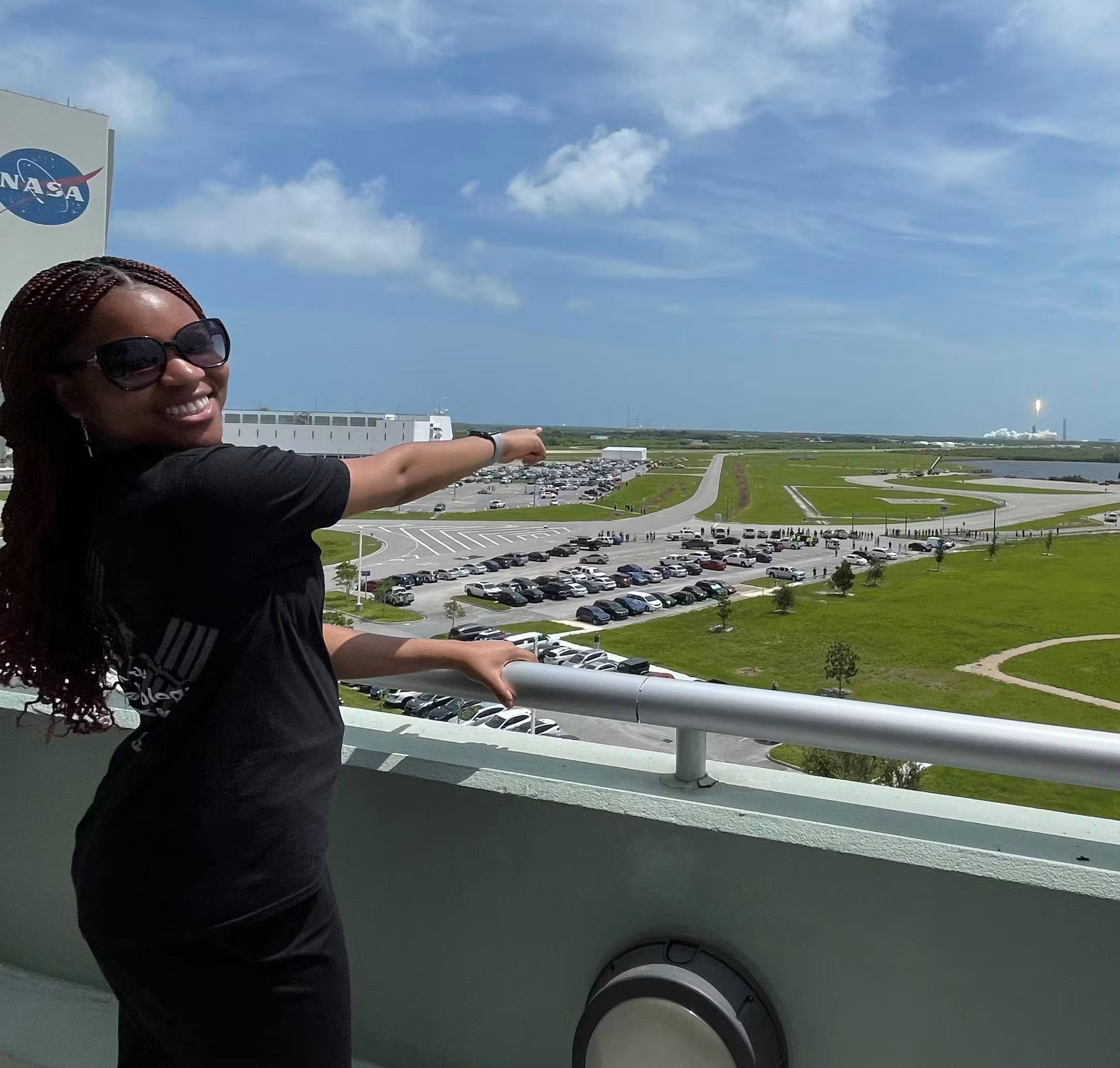
The co-founder of the “Genes in Space” program joins the 2022 student winner to discuss this competition that allows students across the country to design an experiment for the International Space Station. HWHAP Episode 292.

Original broadcast date: January 15, 2021. Breathing is essential to life. And lately, the safety of the air we inhale, or the need to pause and take a deep breath, is on our minds a lot. This hour, TED speakers explore the power of breath. Guests include former world champion freediver Tanya Streeter, journalist Beth Gardiner, activist Yvette Arellano, paleontologist Emma Schachner, scent historian Caro Verbeek and mindfulness expert Andy Puddicombe.
TED Radio Hour+ subscribers now get access to bonus episodes, with more ideas from TED speakers and a behind the scenes look with our producers. A Plus subscription also lets you listen to regular episodes (like this one!) without sponsors. Sign-up at: plus.npr.org/ted
See pcm.adswizz.com for information about our collection and use of personal data for sponsorship and to manage your podcast sponsorship preferences.

(Note: This episode originally ran back in 2022.)
This past weekend, Spider-Man: Across the Spider-Verse had the second largest domestic opening of 2023, netting (or should we say webbing?) over $120 million in its opening weekend in the U.S. and Canada. But the story leading up to this latest Spider-Man movie has been its own epic saga.
When Marvel licensed the Spider-Man film rights to Sony Pictures in the 1990s, the deal made sense — Marvel didn’t make movies yet, and their business was mainly about making comic books and toys. Years later, though, the deal would come back to haunt Marvel, and it would start a long tug of war between Sony and Marvel over who should have creative cinematic control of Marvel’s most popular superhero. Today, we break down all of the off-screen drama that has become just as entertaining as the movies themselves.
This episode was originally produced by Nick Fountain with help from Taylor Washington and Dave Blanchard. It was engineered by Isaac Rodrigues. It was edited by Jess Jiang. The update was produced by Emma Peaslee, with engineering by Maggie Luthar. It was edited by Keith Romer.
Help support Planet Money and get bonus episodes by subscribing to Planet Money+ in Apple Podcasts or at plus.npr.org/planetmoney.
See pcm.adswizz.com for information about our collection and use of personal data for sponsorship and to manage your podcast sponsorship preferences.
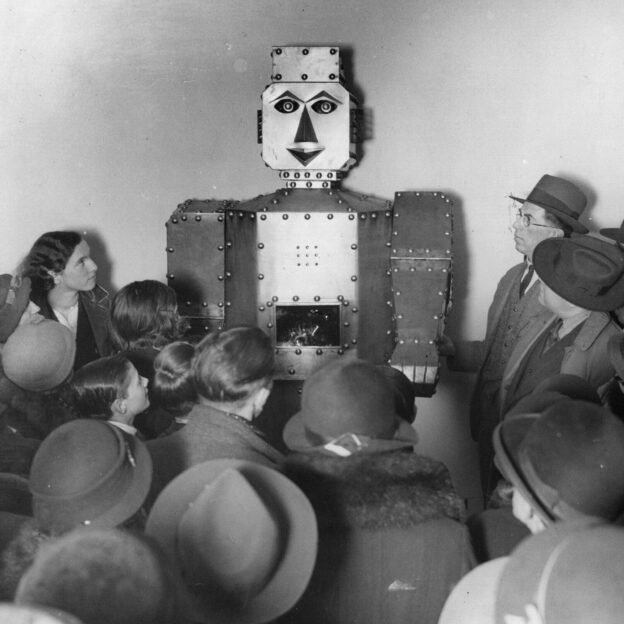
It’s the thrilling conclusion to our three-part series on AI — the world premiere of the first episode of Planet Money written by AI. In Part 1 of this series, we taught AI how to write an original Planet Money script by feeding it real research and interviews. In Part 2, we used AI to clone the voice of our former colleague Robert Smith.
Now, we’ve put everything together into a 15-minute Planet Money episode. And we’ve gathered some of our co-hosts to listen along.
So, how did the AI do? You’ll have to listen to learn what went surprisingly well, where it fell short, and hear reactions from the real-life hosts whose jobs could be at risk of being replaced by the machines.
This episode was produced by Emma Peaslee and Willa Rubin. It was engineered by James Willetts and fact-checked by Sierra Juarez. Keith Romer edited this series and Jess Jiang is our acting executive producer.
In the radio play, Mary Childs voiced Ethel Kinney; Willa Rubin voiced Alice; and Kenny Malone voiced Dr. Jones and Dial Doom 5000.
Help support Planet Money and get bonus episodes by subscribing to Planet Money+ in Apple Podcasts or at plus.npr.org/planetmoney.
See pcm.adswizz.com for information about our collection and use of personal data for sponsorship and to manage your podcast sponsorship preferences.
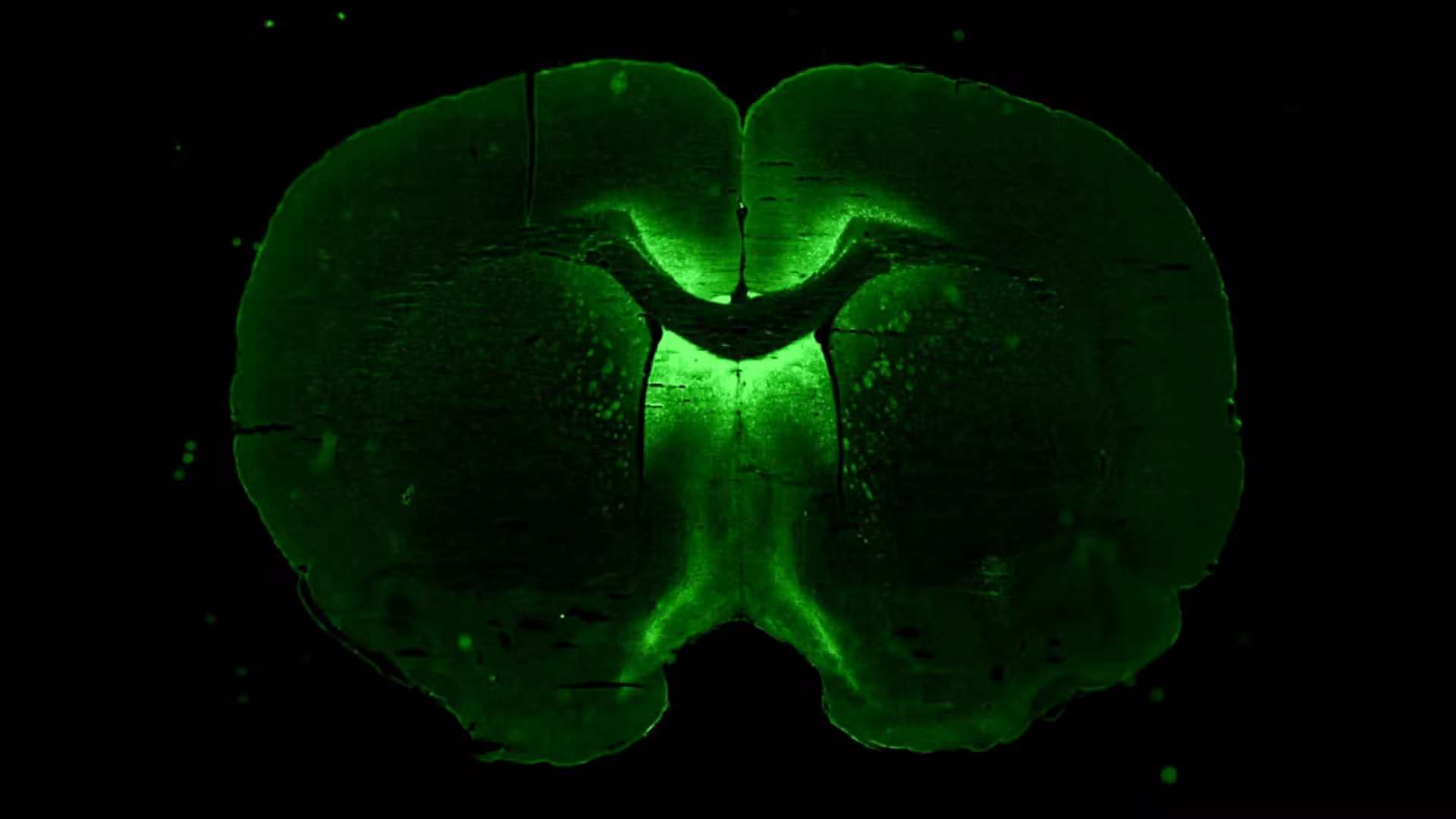
Co-principal investigator for a neuroscience experiment launching to the space station soon walks us through the goals of the experiment and how it might benefit patients back on Earth. HWHAP Episode 291.