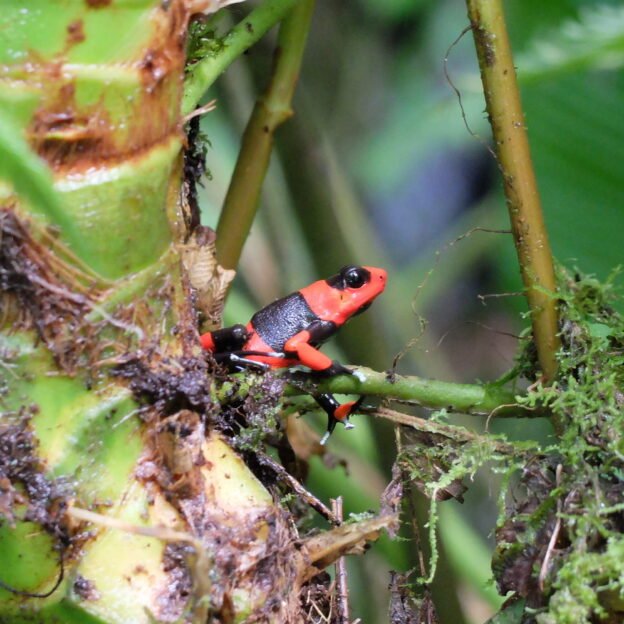
Back in the 90s, Ivan Lozano Ortega was in charge of Bogota’s wildlife rescue center. And he kept getting calls from the airport to come deal with… frogs. Hundreds of brightly colored, poisonous frogs.
Ivan had stumbled upon the poisonous frog black market. Tens of thousands of frogs were being poached out of the Colombian rainforest and sold to collectors all around the world by smugglers. And it put these endangered frogs at risk of going extinct.
Today on the show, how Ivan tried to put an end to the poison frog black market, by breeding and selling frogs legally. And he learns that it’s not so easy to get a frog out of hot water.
This episode was hosted by Stan Alcorn and Sarah Gonzalez, and co-reported and written with Charlotte de Beauvoir. It was produced by Willa Rubin with help from Emma Peaslee. It was edited by Jess Jiang. It was fact-checked by Sierra Juarez. It was engineered by Josh Newell. Alex Goldmark is our executive producer.
Help support Planet Money and get bonus episodes by subscribing to Planet Money+ in Apple Podcasts or at plus.npr.org/planetmoney.
See pcm.adswizz.com for information about our collection and use of personal data for sponsorship and to manage your podcast sponsorship preferences.
NPR Privacy Policy
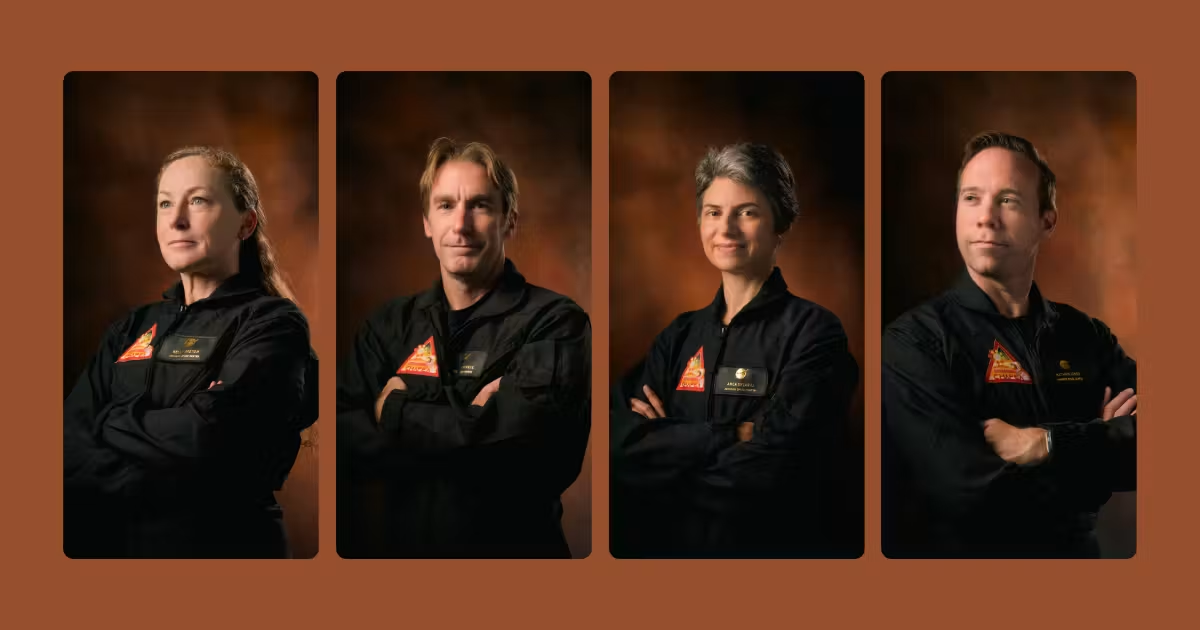
Hear from the deputy project manager for NASA’s CHAPEA project as well as the volunteer crew of four who joined us a few days before entering the Mars simulated habitat for one year. HWHAP Episode 295.
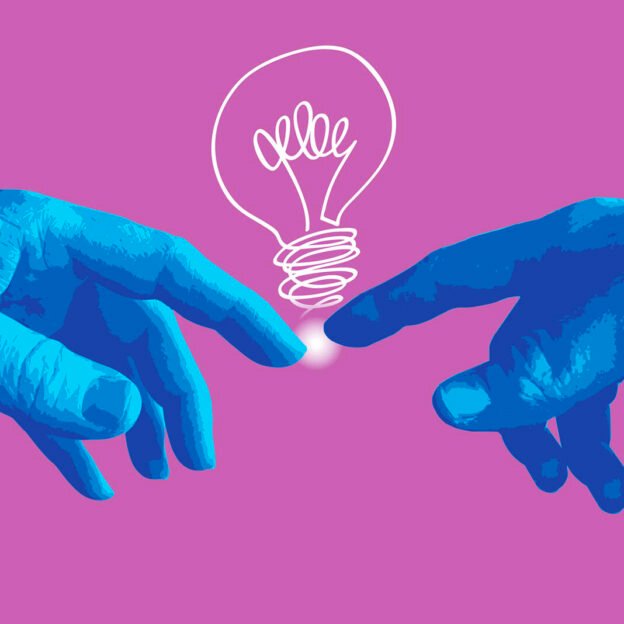
Big problems need audacious solutions. This hour, TED speakers use data and common sense to make laws more effective, reform the foster care system and hold environmental offenders accountable. Guests include criminal justice reform activist Sheena Meade, child welfare advocates Sixto Cancel and Marquan Teetz, and ocean monitoring expert Tony Long.
TED Radio Hour+ subscribers now get access to bonus episodes, with more ideas from TED speakers and a behind the scenes look with our producers. A Plus subscription also lets you listen to regular episodes (like this one!) without sponsors. Sign-up at: plus.npr.org/ted
See pcm.adswizz.com for information about our collection and use of personal data for sponsorship and to manage your podcast sponsorship preferences.
NPR Privacy Policy
The shocks of the pandemic economy gave us a bunch of enormous natural experiments, which helped to prove or disprove conventional economic thinking.
Take, for example, the bullwhip effect, the idea that the further away from the customer you are in the supply chain, the more volatile your orders are likely to be. This theory played out at an enormous scale, in the pandemic. Consumers and companies overreacted to the risk of shortages by ordering more products and hoarding them, causing massive shifts in the supply chain – just like the theory says.
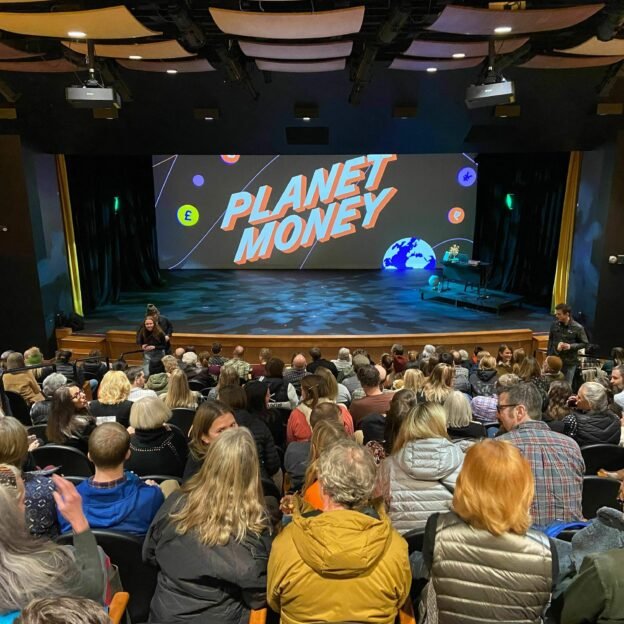
And the pandemic gave us a lot of natural experiments like this. So, on this special live edition of Planet Money, we looked for other big economic lessons from the past three years, and we took this information and turned it into… a gameshow! It’s Two Truths and a Lie: Econ Edition. We get into questions about the workforce and labor market during the pandemic, and how it affected how economists view the world.
This episode was hosted by Mary Childs. It was produced by Dave Blanchard, and edited by Jess Jiang. It was engineered by Josh Newell with help from Robert Rodriguez. Original music by Jesse Perlstein.
Help support Planet Money and get bonus episodes by subscribing to Planet Money+ in Apple Podcasts or at plus.npr.org/planetmoney.
See pcm.adswizz.com for information about our collection and use of personal data for sponsorship and to manage your podcast sponsorship preferences.
NPR Privacy Policy
Nobody’s perfect — including Porsche. Despite that phrase appearing in their famous 1983 magazine advertisement, they managed to get damn-close to the perfect luxury business (even Bernard Arnault would be jealous!). Porsche is both quality AND quantity, owning the most prestigious brand in its market, while at the same time churning out almost half a million mass-market soccer mom/dad SUVs per year. And like any good luxury brand, it’s packed with enough juicy family drama and creeping takeovers to fill a Netflix series.
Yet, behind it all lies perhaps the darkest origin story we’ve ever told on Acquired. Not only was Porsche was started by Nazis, Adolf Hitler himself was deeply involved in its early fortunes. And, following WWII, the Allies simply looked past these facts and essentially bestowed a license to generate wealth on Porsche and its owners — setting the stage for them to become one of the top ~15 wealthiest families in the world today.
Joining us to explore it all is perhaps the very most-qualified person in the person in the world: the one & only Doug DeMuro. Not only is Doug the largest independent car reviewer on YouTube with millions of subscribers (we’re HUGE fans), he previously worked at Porsche corporate and owns a legendary Porsche Carrera GT — which served as the recording backdrop for this episode. Make sure you tune in to watch the video version! 🙂
Sponsors:
More Acquired!
© Copyright 2015-2026 ACQ, LLC
Links:
Carve Outs:
Note: Acquired hosts and guests may hold assets discussed in this episode. This podcast is not investment advice, and is intended for informational and entertainment purposes only. You should do your own research and make your own independent decisions when considering any financial transactions.
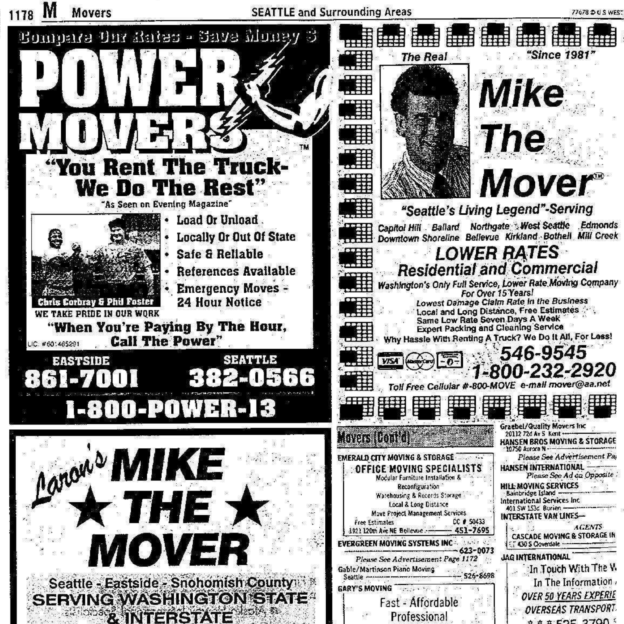
In 1978, a young man named Mike Shanks started a moving business in the north end of Seattle. It was just him and a truck — a pretty small operation. Things were going great. Then one afternoon, he was pulled over and cited for moving without a permit.
The investigators who cited him were part of a special unit tasked with enforcing utilities and transportation regulations. Mike calls them the furniture police. To legally be a mover, Mike needed a license. Otherwise, he’d face fines — and even potentially jail time. But soon he’d learn that getting that license was nearly impossible.
Mike is the kind of guy who just can’t back down from a fight. This run-in with the law would set him on a decade-long crusade against Washington’s furniture moving industry, the furniture police, and the regulations themselves. It would turn him into a notorious semi-celebrity, bring him to courtrooms across the state, lead him to change his legal name to ‘Mike The Mover,’ and send him into the furthest depths of Washington’s industrial regulations.
The fight was personal. But it drew Mike into a much larger battle, too: An economic battle about regulation, and who it’s supposed to protect.
Help support Planet Money and get bonus episodes by subscribing to Planet Money+ in Apple Podcasts or at plus.npr.org/planetmoney.
See pcm.adswizz.com for information about our collection and use of personal data for sponsorship and to manage your podcast sponsorship preferences.
NPR Privacy Policy
A project lead at NASA walks us through a new laser communication system that will be tested on the Artemis II mission to the Moon to drastically increase deep space data rates. HWHAP Episode 294.
Original broadcast date: July 29, 2022. For decades, Rosanne Cash has soared through the ranks of music with her powerhouse poetic skills and wistful reflections on her past. This hour, we explore Rosanne’s life and legacy through her music.
TED Radio Hour+ subscribers now get access to bonus episodes, with more ideas from TED speakers and a behind the scenes look with our producers. A Plus subscription also lets you listen to regular episodes (like this one!) without sponsors. Sign-up at: plus.npr.org/ted
See pcm.adswizz.com for information about our collection and use of personal data for sponsorship and to manage your podcast sponsorship preferences.
NPR Privacy Policy
Twins are used to fielding all sorts of questions, like “Can you read each other’s minds?” or “Can you feel each other’s pain?” Two of our Planet Money reporters are twins, and they have heard them all.
But it’s not just strangers on the street who are fascinated by twins. Scientists have been studying twins since the 1800s, trying to get at one of humanity’s biggest questions: How much of what we do and how we are is encoded in our genes? The answer to this has all kinds of implications, for everything from healthcare to education, criminal justice and government spending.
Today on the show, we look at the history of twin studies. We ask what decades of studying twins has taught us. We look back at a twin study that asked whether genes influence antisocial behavior and rule-breaking. One of our reporters was a subject in it. And we find out: are twin studies still important for science?
(Note: This episode originally ran in 2019.)
Our show today was hosted by Sally Helm and Karen Duffin. It was produced by Darian Woods and Nick Fountain. It was edited by Bryant Urstadt.
Help support Planet Money and get bonus episodes by subscribing to Planet Money+ in Apple Podcasts or at plus.npr.org/planetmoney.
See pcm.adswizz.com for information about our collection and use of personal data for sponsorship and to manage your podcast sponsorship preferences.
NPR Privacy Policy
People come from all over the world to work in U.S. tech. And during the tech boom years, the industry relied heavily on foreign workers. This is how we built Silicon Valley – with great minds coming from everywhere to work in the U.S.
But when the industry started to shrink, all of these people who moved here for work are finding that linking their jobs to their residency is really complicated. That was the case for Aashka and Nilanjan. Aashka was a product engineer at Amazon, and Nilanjan worked in digital advertising for Google. They both lost their jobs in the layoffs each company announced earlier this year.
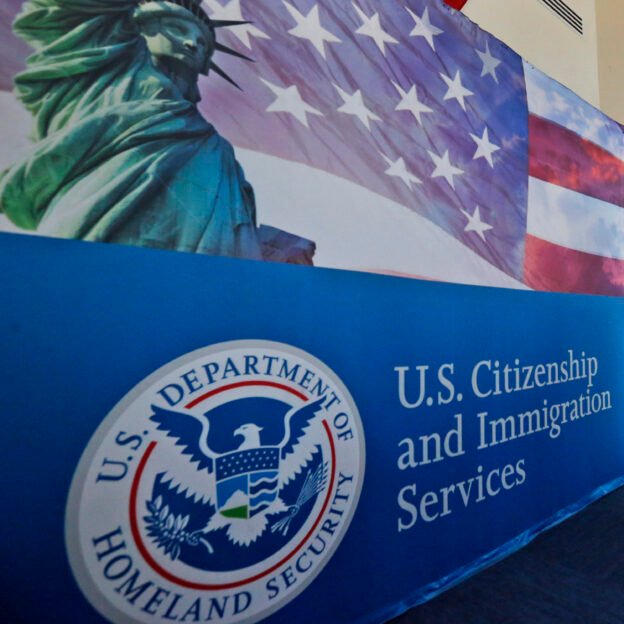
When Aashka and Nilanjan got the news, a clock started ticking. Because they are both H-1B recipients, they only have 60 days to find new jobs before they risk being sent home. And they can’t get just any job – they need new employers in their field willing to sponsor their visa.
On today’s show, we followed two tech workers as they tried to find jobs before their visas expired, and what they went through as H-1B recipients trying to stay in the country.
This episode was hosted by Alyssa Jeong Perry and Amanda Aronczyk, produced by Sam Yellowhorse Kesler, engineered by James Willetts, fact-checked by Sierra Juarez, and edited by Molly Messick and Jess Jiang.
Help support Planet Money and get bonus episodes by subscribing to Planet Money+ in Apple Podcasts or at plus.npr.org/planetmoney.
See pcm.adswizz.com for information about our collection and use of personal data for sponsorship and to manage your podcast sponsorship preferences.
NPR Privacy Policy