For the last four decades, technology has been mostly a force for greater inequality and a shrinking middle class. But new empirical evidence suggests that the age of AI could be different. We speak to MIT’s David Autor, one of the greatest labor economists in the world, who envisions a future where we use AI to make a wider array of workers much better at a whole range of jobs and help rebuild the middle class.
This episode was produced by Dave Blanchard and edited by Molly Messick. It was fact-checked by Sierra Juarez and engineered by Katherine Silva. Jess Jiang is Planet Money’s acting executive producer.
Help support Planet Money and get bonus episodes by subscribing to Planet Money+ in Apple Podcasts or at plus.npr.org/planetmoney.
See pcm.adswizz.com for information about our collection and use of personal data for sponsorship and to manage your podcast sponsorship preferences.
NPR Privacy Policy
We sit down with Spotify CEO Daniel Ek live in Stockholm at Spotify’s amazing HQ studio (check out the video version of this episode — which plays natively on Spotify!). This was an incredibly special and timely conversation: for those who haven’t been paying attention over the past few years, after revolutionizing music Spotify has now ALSO completely transformed our own industry in podcasting. Starting from way behind with ~zero market share in 2018, Spotify has now aggregated the listener market and amazingly surpassed Apple as the world’s largest podcast platform — including close to home with the Acquired audience, where it has 60%+ market share among you all!
We discuss the origins of this “second act” strategy with Daniel, the vision to move from a music company to an audio company, and what’s coming next with Spotify’s entry into Audiobooks. And of course we relive some key moments from the Acquired canon that Daniel was involved in, including his pivotal conversations with Taylor Swift and her team convincing her to come back to streaming following the release of 1984. Tune in!
Links
Sponsors:
More Acquired!
© Copyright 2015-2026 ACQ, LLC
Note: Acquired hosts and guests may hold assets discussed in this episode. This podcast is not investment advice, and is intended for informational and entertainment purposes only. You should do your own research and make your own independent decisions when considering any financial transactions.
Economists say that inflation is just too much money chasing too few goods.
But something else can make inflation stick around.
If you think of the 1970s, the last time the U.S. had really high sustained inflation, a big concern was rising wages. Prices for goods and services were high. Workers expected prices to be even higher next year, so they asked for pay raises to keep up. But then companies had to raise their prices more. And then workers asked for raises again. This the so-called wage-price spiral.
So when prices started getting high again in 2021, economists and the U.S. Federal Reserve again worried that wage increases would become a big problem. But, it seems like the wage-price spiral hasn’t happened. In fact wages, on average, have not kept up with inflation.
There are now concerns about a totally different kind of spiral: a profit-price spiral. On today’s show, why some economists are looking at inflation in a new light.
This episode was produced by Sam Yellowhorse Kesler and engineered by Katherine Silva, with help from Josh Newell. It was fact-checked by Sierra Juarez and edited by Jess Jiang.
Help support Planet Money and get bonus episodes by subscribing to Planet Money+ in Apple Podcasts or at plus.npr.org/planetmoney.
See pcm.adswizz.com for information about our collection and use of personal data for sponsorship and to manage your podcast sponsorship preferences.
NPR Privacy Policy
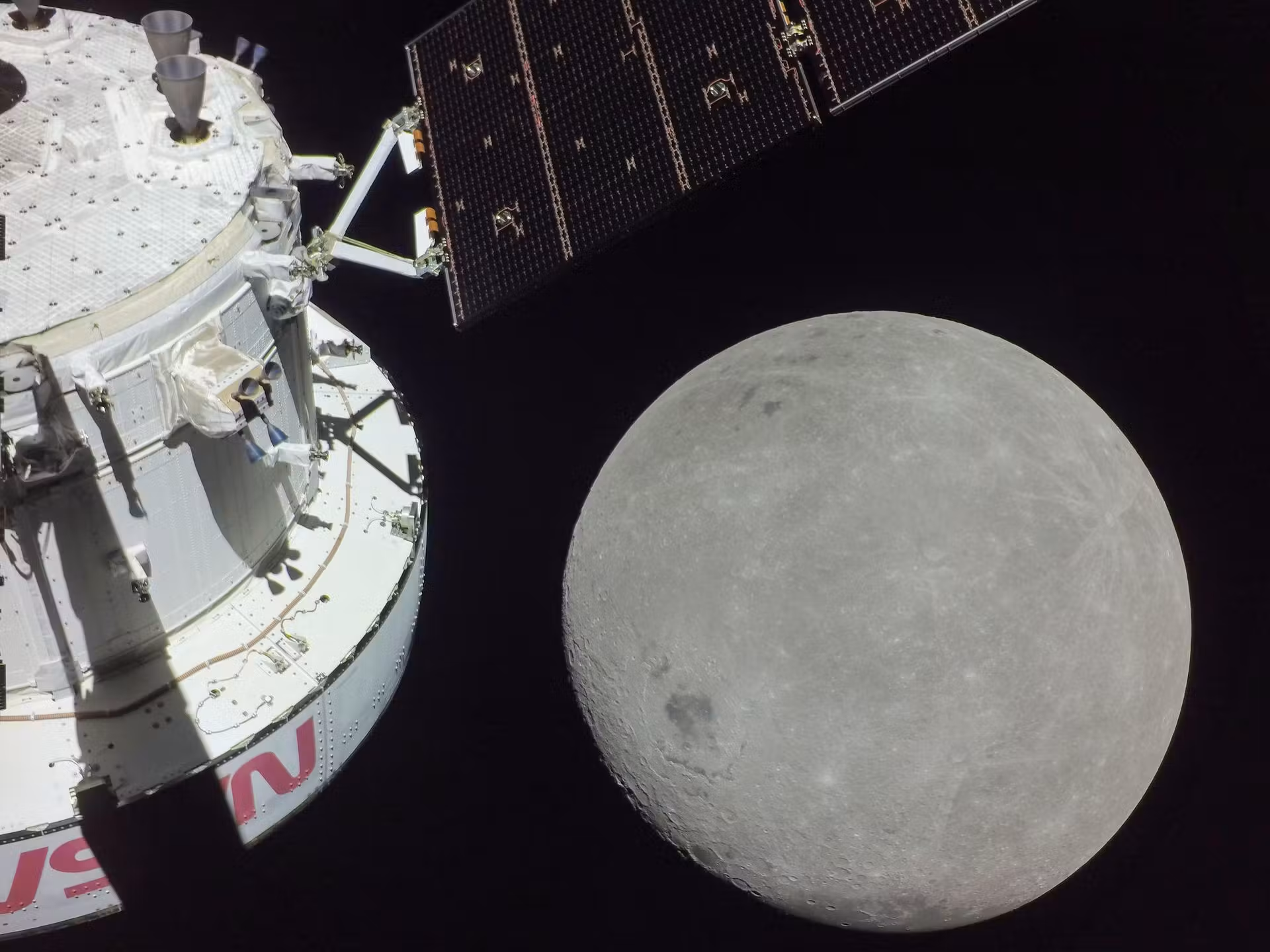
Artemis II lead flight directors walk us through what was learned from Artemis I and what we are doing right now in Mission Control to prepare for Artemis II and beyond. HWHAP Episode 288.
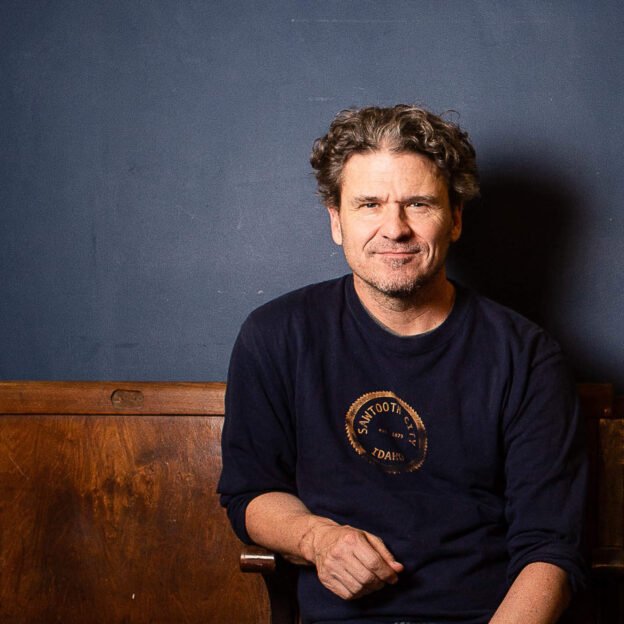
Original broadcast date: January 21, 2022. Fiction can serve as a window into multiple realities—to imagine different futures or understand our own past. This hour, author and TED speaker Dave Eggers talks technology, education, and the healing power of writing.
TED Radio Hour+ subscribers now get access to bonus episodes, with more ideas from TED speakers and a behind the scenes look with our producers. A Plus subscription also lets you listen to regular episodes (like this one!) sponsor-free. Sign-up at: plus.npr.org/ted
See pcm.adswizz.com for information about our collection and use of personal data for sponsorship and to manage your podcast sponsorship preferences.
NPR Privacy Policy
(Note: this episode originally ran in 2019.)
In the 1800s, catching your train on time was no easy feat. Every town had its own “local time,” based on the position of the sun in the sky. There were 23 local times in Indiana. 38 in Michigan. Sometimes the time changed every few minutes.
This created tons of confusion, and a few train crashes. But eventually, a high school principal, a scientist, and a railroad bureaucrat did something about it. They introduced time zones in the United States. It took some doing–they had to convince all the major cities to go along with it, get over some objections that the railroads were stepping on “God’s time,” and figure out how to tell everyone what time it was. But they made it happen, beginning on one day in 1883, and it stuck. It’s a story about how railroads created, in all kinds of ways, the world we live in today.
This episode was originally produced by Alexi Horowitz-Ghazi and edited by Jacob Goldstein. Jess Jiang is Planet Money’s Acting Executive Producer.
See pcm.adswizz.com for information about our collection and use of personal data for sponsorship and to manage your podcast sponsorship preferences.
NPR Privacy Policy
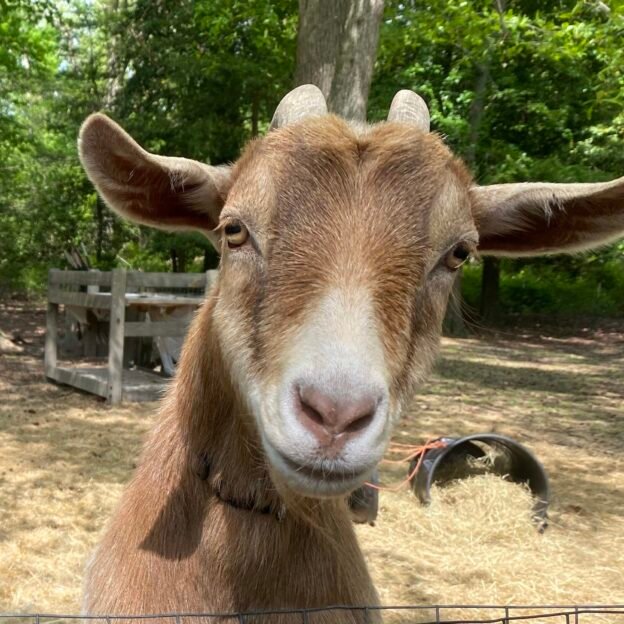
Back in 2005, Burt Banks inherited a plot of old family land in Delaware. But when it came time to sell it, he ran into a problem: his neighbor had a goat pen, and about half of it crossed over onto his property.
Burt asked the goats’ owner to move the pen, but when neighborly persuasion failed to get the job done, he changed his strategy. He sued her. And that is when things got complicated.
Protecting private property is one of the fundamental jobs of the American legal system. If you hold a deed saying you own a plot of land, it’s your land. End of story. Right?
But, as Burt would soon learn, the law can get really complicated when it comes to determining who actually owns something. And when goats are involved … anything can happen.
This episode was produced by Willa Rubin and Dylan Sloan and edited by Molly Messick. It was fact-checked by Sierra Juarez. Katherine Silva engineered this episode. Jess Jiang is Planet Money’s acting executive producer.
Help support Planet Money and get bonus episodes by subscribing to Planet Money+ in Apple Podcasts or at plus.npr.org/planetmoney.
Always free at these links: Apple Podcasts, Spotify, Google Podcasts, NPR One or anywhere you get podcasts.
Find more Planet Money: Facebook / Instagram / TikTok / Our weekly Newsletter.
Music: “Fruit Salad,” “Keep With It” and “Purple Sun.”
See pcm.adswizz.com for information about our collection and use of personal data for sponsorship and to manage your podcast sponsorship preferences.
NPR Privacy Policy
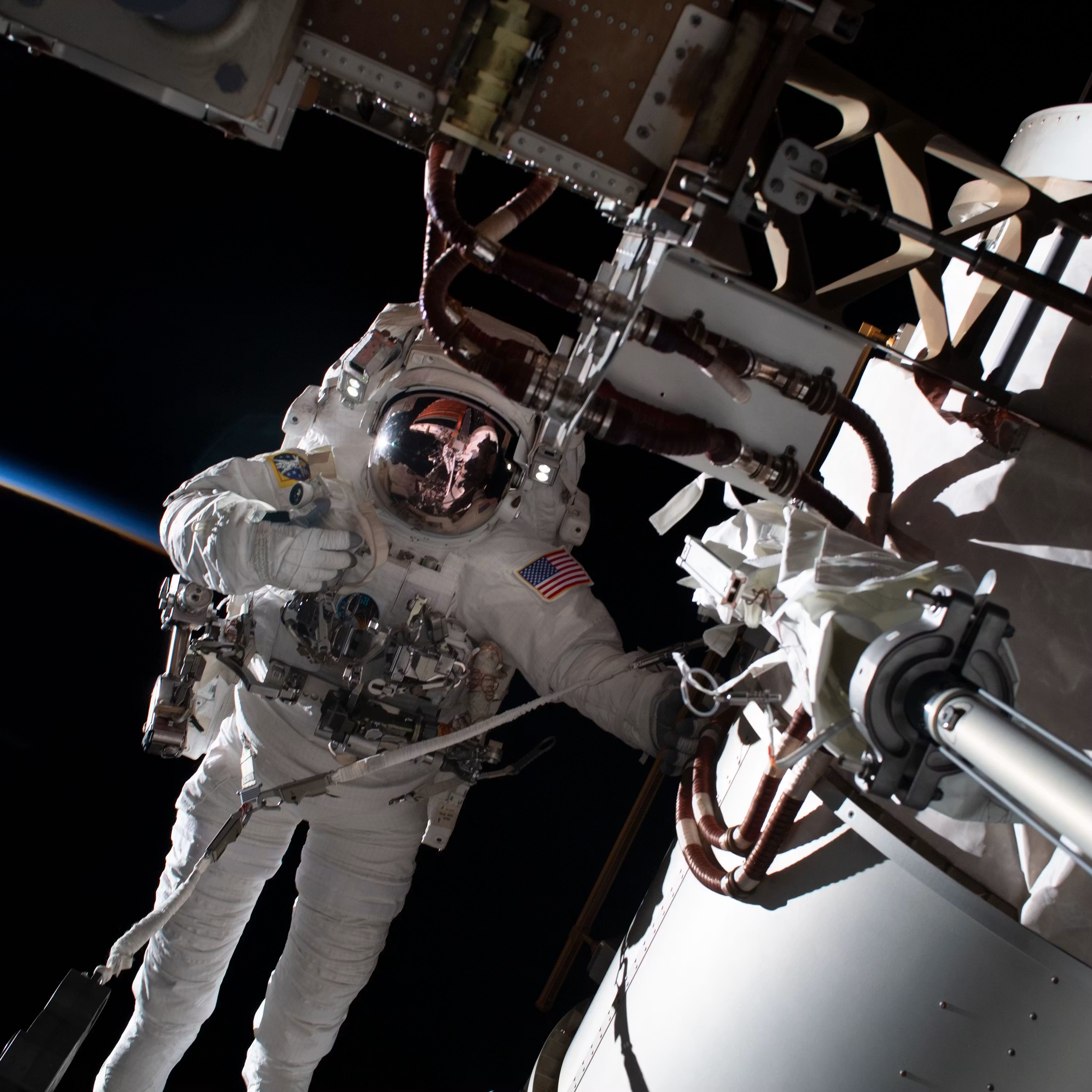
A NASA expert details an upcoming space station study conducted during a spacewalk to better understand potential contaminants for future human exploration of the Moon and Mars. HWHAP Episode 287.
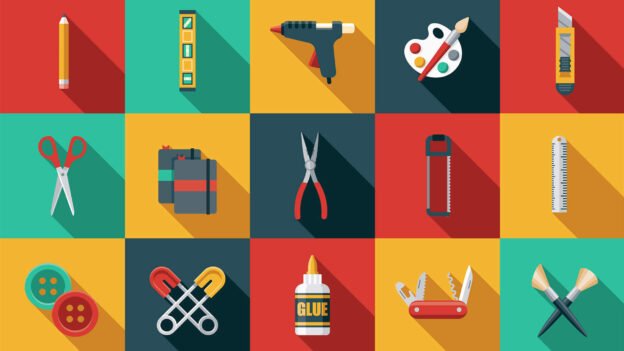
When problems arise, it’s tempting to wait for someone else to address it. But sometimes, the only person who can fix it… is you. This hour, TED speakers share ideas on how to do it yourself. Guests include physicist and engineer Kate Stone, humanitarian programmer Tiffani Ashley Bell, builder and youth educator Emily Pilloton-Lam and videographer Jack Corbett.
TED Radio Hour+ subscribers now get access to bonus episodes, with more ideas from TED speakers and a behind the scenes look with our producers. A Plus subscription also lets you listen to regular episodes (like this one!) without sponsors. Sign-up at: plus.npr.org/ted
See pcm.adswizz.com for information about our collection and use of personal data for sponsorship and to manage your podcast sponsorship preferences.
NPR Privacy Policy
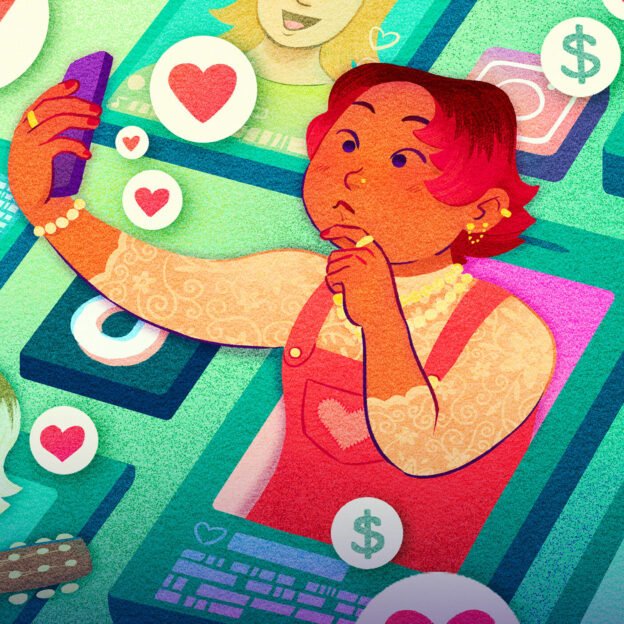
When you were little, what did you want to be when you grew up? An astronaut, a doctor or maybe a famous athlete? Today one of the most popular responses to that question is influencer – content creators who grow their following on Tik Tok, Instagram and YouTube and monetize that content to make it their full-time job.
In a lot of ways influencing can seem like the dream job – the filters, the followers, the free stuff. But on the internet, rarely is anything as it appears. From hate comments and sneaky contracts to prejudice and discrimination, influencers face a number of hurdles in their chosen careers.
This week we’re bringing you two stories from our daily show The Indicator on the promise and perils of the multi-billion dollar influencer industry.
This episode was produced by Corey Bridges and Janet Lee. It was engineered by Robert Rodriguez and Katherine Silva. It was fact-checked by Sierra Juarez and Dylan Sloan. Emily Kinslow was the podcast coordinator for this series. Viet Le is The Indicator’s senior producer. Kate Concannon edits the show. Our acting executive producer is Jess Jiang.
Help support Planet Money and get bonus episodes by subscribing to Planet Money+ in Apple Podcasts or at plus.npr.org/planetmoney.
See pcm.adswizz.com for information about our collection and use of personal data for sponsorship and to manage your podcast sponsorship preferences.
NPR Privacy Policy