Book tour dates and ticket info here.
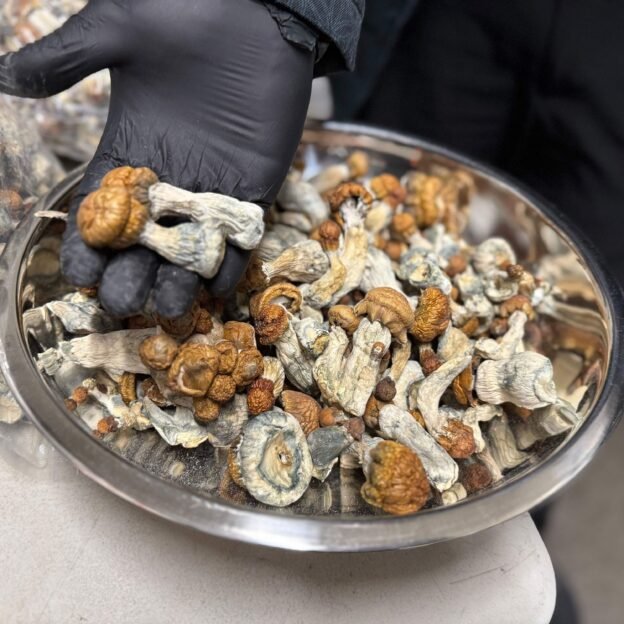
Just as every market has its first movers, every religion has its martyrs — the people willing to risk everything for what they believe. Pastor Dave Hodges just might be a little bit of both. He’s the spiritual leader of the Zide Door Church of Entheogenic Plants, in Oakland, California which places psilocybin mushrooms at the center of their religious practice.
Today on the show, like its 130,000+ members, we’re going to take a trip through the psychedelic mushroom megachurch. We’ll meet one of the lawyers trying to keep psychedelic religious leaders like Pastor Dave from running afoul of the law, and get a peek into how the government decides whether a belief system counts as sincere religion.
This episode was reported with support from The Ferriss – UC Berkeley Psychedelic Journalism Fellowship.
Subscribe to Planet Money+
Listen free: Apple Podcasts, Spotify, the NPR app or anywhere you get podcasts.
Facebook / Instagram / TikTok / Our weekly Newsletter.
This episode was hosted by Alexi Horowitz-Ghazi. It was produced by Sam Yellowhorse Kesler and edited by Eric Mennel. It was fact checked by Sierra Juarez and engineered by Kwesi Lee with help from Robert Rodriguez. Alex Goldmark is Planet Money’s executive producer.
See pcm.adswizz.com for information about our collection and use of personal data for sponsorship and to manage your podcast sponsorship preferences.
NPR Privacy Policy
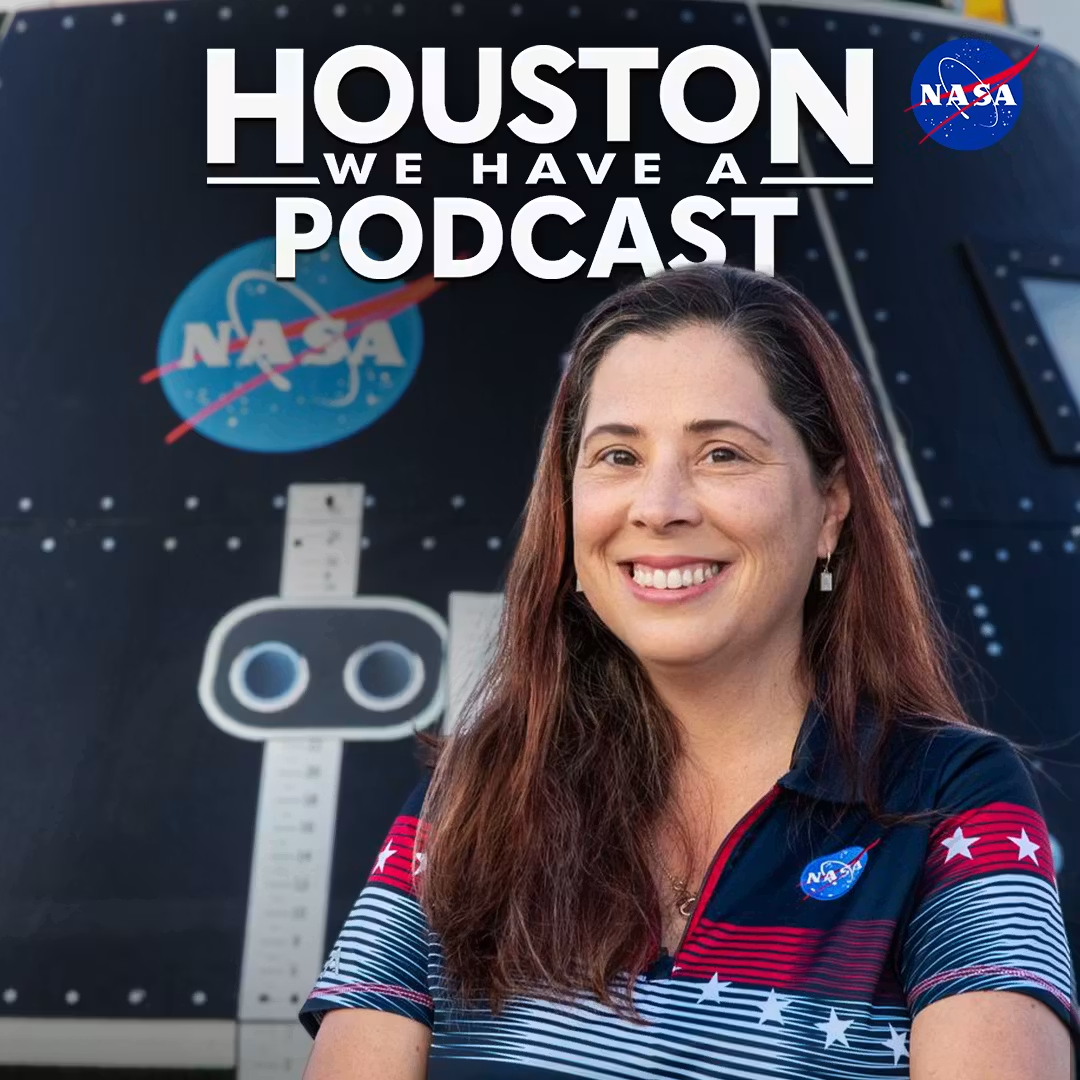
Artemis II landing and recovery director Lili Villarreal discusses how NASA and its partners recover the Orion spacecraft and its four astronauts after splashdown in the Pacific Ocean. HWHAP 408.
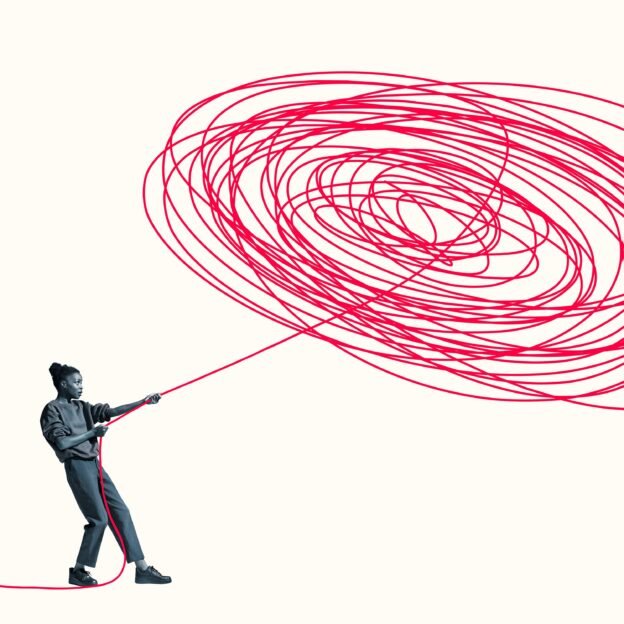
When it feels like the world is on fire, it’s hard to know what’s in your control and what’s out of your hands. This hour, TED speakers explain ways you can reclaim your agency. Guests include financial advisor Matt Pitcher, sociologist Anindya Kundu, journalist Jennifer Wallace and design thinking professor Bill Burnett.
TED Radio Hour+ subscribers now get access to bonus episodes, with more ideas from TED speakers and a behind the scenes look with our producers. A Plus subscription also lets you listen to regular episodes (like this one!) without sponsors. Sign-up at: plus.npr.org/ted
See pcm.adswizz.com for information about our collection and use of personal data for sponsorship and to manage your podcast sponsorship preferences.
NPR Privacy Policy
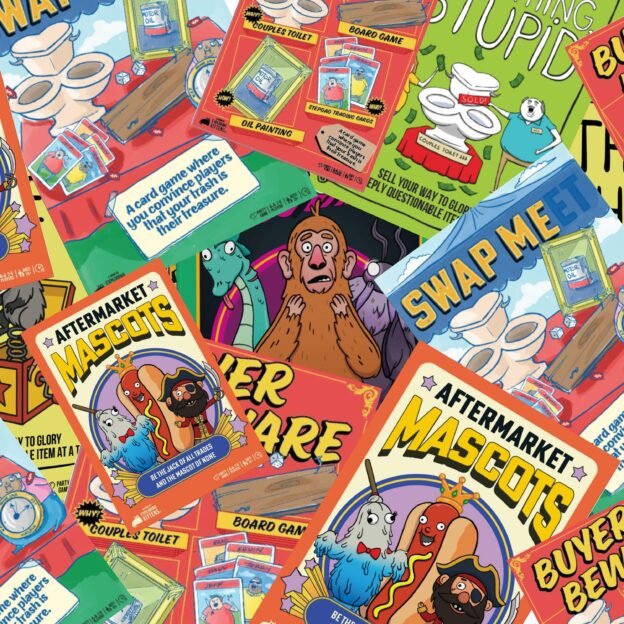
Planet Money has teamed up with the company Exploding Kittens to make a board game inspired by the legendary economics paper The Market for Lemons. We’ve decided we want a mass-appeal party game that quietly sneaks in the economics, so that we can report from inside a world that no other Planet Money project has entered: the real shelves at real big box retail stores.
We have a great game mechanic and a set of rules. Now all we need is a good name and theme.
Turns out, that is way harder and way higher stakes than any of us could have imagined.
In the third episode of our series, we learn the importance of a good game name and theme and try to come up with one for our game.
Find our previous episodes in the board game series, here and here.
Pre-order the Planet Money book and get a free gift. / Subscribe to Planet Money+
Listen free: Apple Podcasts, Spotify, the NPR app or anywhere you get podcasts.
Facebook / Instagram / TikTok / Our weekly Newsletter.
This episode of Planet Money was hosted by Kenny Malone and Erika Beras. It was produced by James Sneed and edited by Marianne McCune, fact-checked by Willa Rubin, and engineered by Cena Loffredo and Kwesi Lee. Alex Goldmark is our executive producer.
See pcm.adswizz.com for information about our collection and use of personal data for sponsorship and to manage your podcast sponsorship preferences.
NPR Privacy Policy
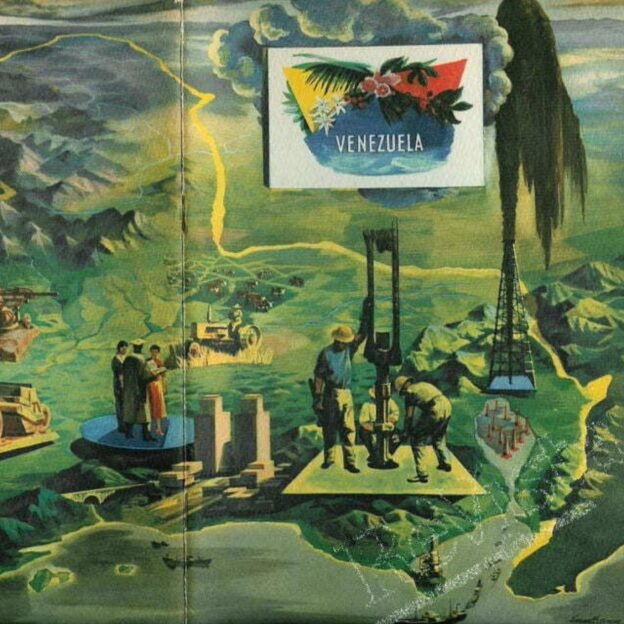
Venezuela and Chevron have perhaps one of the strangest partnerships … ever? Chevron, one of the world’s most famous and profitable oil corporations, has for decades, been plugging away in Venezuela, one of the world’s most famous and infamous socialist countries.
Today on the show, the story of their intertwined histories. Before Saudi Arabia, before Iran… there was Venezuela, the first petrostate. The first country whose entire economy became dependent on oil. With the blessing of oil, an entire economic textbook of complications opened up: from the Dutch Disease, to the resource curse, to mono-economic vulnerability.
And, oddly, along for that ride…Chevron.
Pre-order the Planet Money book and get a free gift. / Subscribe to Planet Money+
Listen free: Apple Podcasts, Spotify, the NPR app or anywhere you get podcasts.
Facebook / Instagram / TikTok / Our weekly Newsletter.
This episode of Planet Money was hosted by Erika Beras and Kenny Malone. It was produced by Luis Gallo with help from Sam Yellowhorse Kesler. It was edited by Marianne McCune, fact-checked by Sierra Juarez and engineered by Cena Loffredo. Alex Goldmark is our executive producer.
See pcm.adswizz.com for information about our collection and use of personal data for sponsorship and to manage your podcast sponsorship preferences.
NPR Privacy Policy
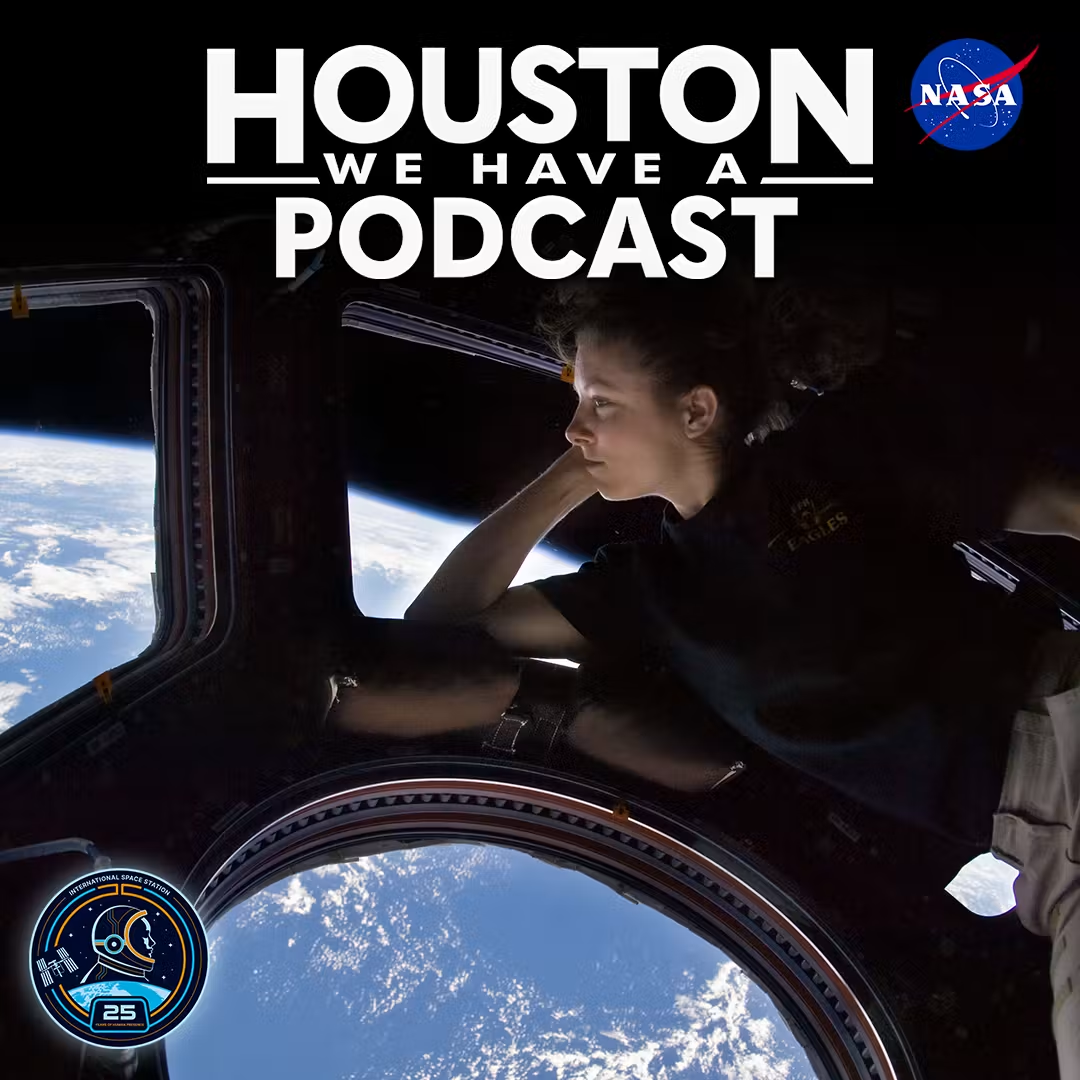
NASA astronaut Tracy Dyson reflects on her career aboard the International Space Station and what 25 years of continuous human presence in space means for the future of exploration. HWHAP 407.
Artificial intelligence is powerful, but what about natural intelligence? This hour, TED speakers explore the intrinsic genius in animal language, insect behavior, plant anatomy and our immune system. Guests include neuroscientist Greg Gage, computational neuroscientist Frances Chance, social psychoneuroimmunologist Keely Muscatell and environmental researcher Karen Bakker. We want to dedicate this episode to Bakker who passed away in August 2023, only a few months after giving her TED Talk. Her research and legacy continue to inspire.
Original broadcast date: March 8, 2024
TED Radio Hour+ subscribers now get access to bonus episodes, with more ideas from TED speakers and a behind the scenes look with our producers. A Plus subscription also lets you listen to regular episodes (like this one!) without sponsors. Sign-up at plus.npr.org/ted.
See pcm.adswizz.com for information about our collection and use of personal data for sponsorship and to manage your podcast sponsorship preferences.
NPR Privacy Policy
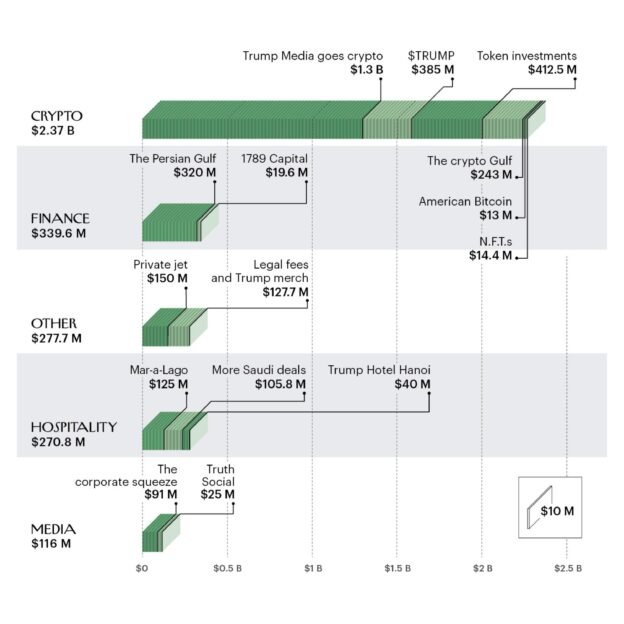
Before President Donald Trump’s first term, he was in a “tight spot” financially, according to New Yorker writer David Kirkpatrick. At the start of his second term, David says, Trump was in an “even tighter” spot. But after just six months into his second term, Trump’s financial situation started looking really good.
David has done a full accounting for what the family has been up to, and even using conservative estimates, David says Trump and his family have made almost $4 billion dollars “off of the presidency,” in just about a year.
Today on the show: we look at every new business and business deal and financial transaction that David says likely would not have happened if Trump wasn’t the president of the United States. And we stop at the most innovative ways Trump and his family have made all that.
Pre-order the Planet Money book and get a free gift. / Subscribe to Planet Money+
Listen free: Apple Podcasts, Spotify, the NPR app or anywhere you get podcasts. ??Listen to our playlist on Federal Reserve independence here.
Facebook / Instagram / TikTok / Our weekly Newsletter.
Today’s episode of Planet Money was hosted by Sarah Gonzalez and Mary Childs. It was produced by James Sneed, edited by Jess Jiang, and fact checked by Sierra Juarez. Robert Rodriguez engineered it. Alex Goldmark is our executive producer.
See pcm.adswizz.com for information about our collection and use of personal data for sponsorship and to manage your podcast sponsorship preferences.
NPR Privacy Policy
Are we in an AI bubble? That’s the $35 trillion dollar question right now as the stock market soars higher and higher. The problem is that bubbles are famously hard to spot. But some economists say they may have found some telltale clues.
On our latest: How do economists detect a bubble? And, how much should society be worried about bubbles in the first place?
Related shows:
– How to make $35 trillion … disappear
–What is a bubble? (featuring Nobel prize winning economics Eugene Fama and Robert Shiller)
–What AI data centers are doing to your electric bill
Pre-order the Planet Money book and get a free gift. / Subscribe to Planet Money+
Listen free: Apple Podcasts, Spotify, the NPR app or anywhere you get podcasts.
Facebook / Instagram / TikTok / Our weekly Newsletter.
This episode was produced by Willa Rubin and edited by Marianne McCune. It was fact-checked by Sierra Juarez and engineered by Cena Loffredo and Robert Rodriguez. Alex Goldmark is our executive producer.
Music: NPR Source Audio – “The best is yet to come,” “Marsh mellow,” and “Sunshine beat”
See pcm.adswizz.com for information about our collection and use of personal data for sponsorship and to manage your podcast sponsorship preferences.
NPR Privacy Policy
Genomics researcher Dr. Robert Green explains how sequencing babies’ DNA can reveal hidden health risks. This hour we explore where the benefits end and the ethical dilemmas begin.
Guests include Dr. Robert Green, bioethicist and pediatrician Dr. Lainie Friedman Ross and genetic counselor Bethany Zettler.
TED Radio Hour+ subscribers now get access to bonus episodes, with more ideas from TED speakers and a behind the scenes look with our producers. A Plus subscription also lets you listen to regular episodes (like this one!) without sponsors. Sign-up at plus.npr.org/ted.
See pcm.adswizz.com for information about our collection and use of personal data for sponsorship and to manage your podcast sponsorship preferences.
NPR Privacy Policy