LIVE SHOW: August 18th in Brooklyn. Tickets here.
Traditional economics says the market is guided by the forces of supply and demand. Customers decide what they want to buy, and private enterprise responds to that need.
So what makes government think that it’s smarter than capitalism? Why offer tax breaks to Hollywood or incentives to build silicon chip factories in Arizona? Why those industries and not others? And when does the free market fail and need government to step in?
Today, we discuss what happens when the government really wants to get its hands dirty and shape the direction of the economy, even decide which companies should prosper and which ones should fail, through industrial policy.
The series is hosted by Robert Smith and produced by Eric Mennel. Our project manager is Devin Mellor. This episode was edited by Planet Money Executive Producer Alex Goldmark and fact-checked by Emily Crawford.
Help support Planet Money and hear our bonus episodes by subscribing to Planet Money+ in Apple Podcasts or at plus.npr.org/planetmoney.
Always free at these links: Apple Podcasts, Spotify, the NPR app or anywhere you get podcasts.
Find more Planet Money: Facebook / Instagram / TikTok / Our weekly Newsletter.
See pcm.adswizz.com for information about our collection and use of personal data for sponsorship and to manage your podcast sponsorship preferences.
NPR Privacy Policy
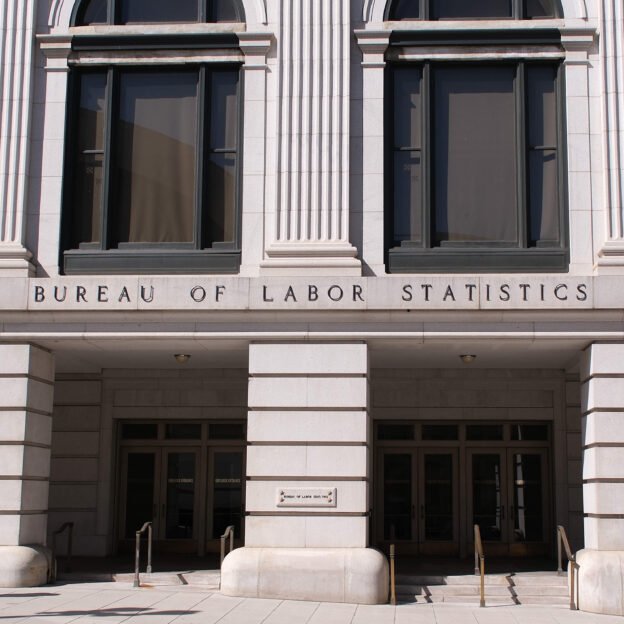
Trust in experts is down. In all kinds of institutions and professions – in government, in media, in medical science… and lately, economists are feeling the burn acutely. In fact, President Trump just fired the economist who ran the Bureau of Labor Statistics, accusing her – with no evidence – of faking a jobs report that showed fewer gains than expected.
In decades past, economists whispered in the ears of presidents. Now, many politicians and voters are disenchanted with the field.
On today’s show, we speak with economists about how distrust is messing with their minds and interfering with their work. Can they build up trust again?
Today’s episode was hosted by Amanda Aronczyk. It was produced by Sam Yellowhorse Kesler and edited by Marianne McCune with help from Jess Jiang. It was engineered by Robert Rodriguez and fact-checked by Sierra Juarez. Alex Goldmark is Planet Money‘s executive producer.
Listen free at these links: Apple Podcasts, Spotify, the NPR app or anywhere you get podcasts.
Find more Planet Money: Facebook / Instagram / TikTok / Our weekly Newsletter.
Support Planet Money, get bonus episodes and sponsor-free listening and now Summer School episodes one week early by subscribing to Planet Money+ in Apple Podcasts or at plus.npr.org/planetmoney.
See pcm.adswizz.com for information about our collection and use of personal data for sponsorship and to manage your podcast sponsorship preferences.
NPR Privacy Policy
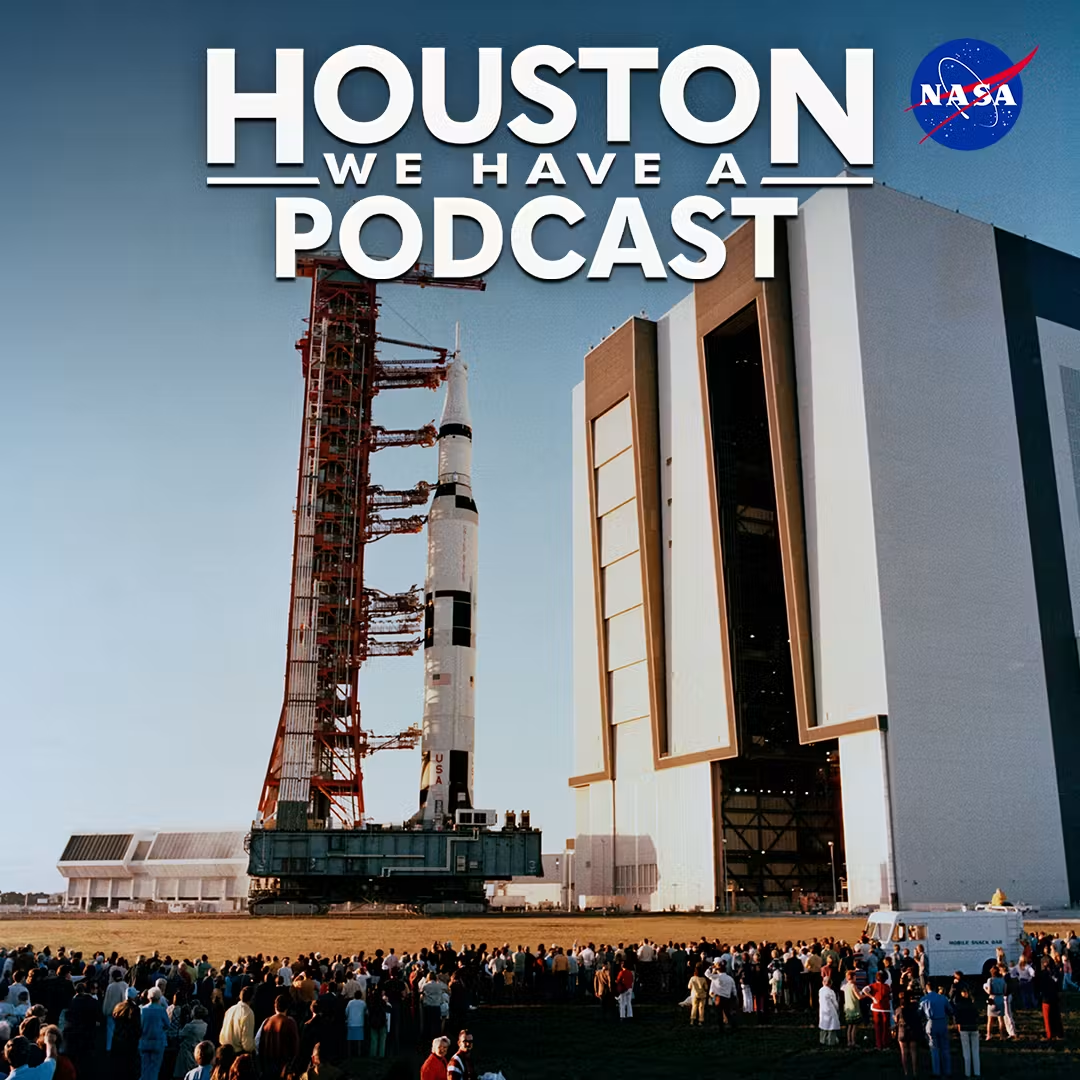
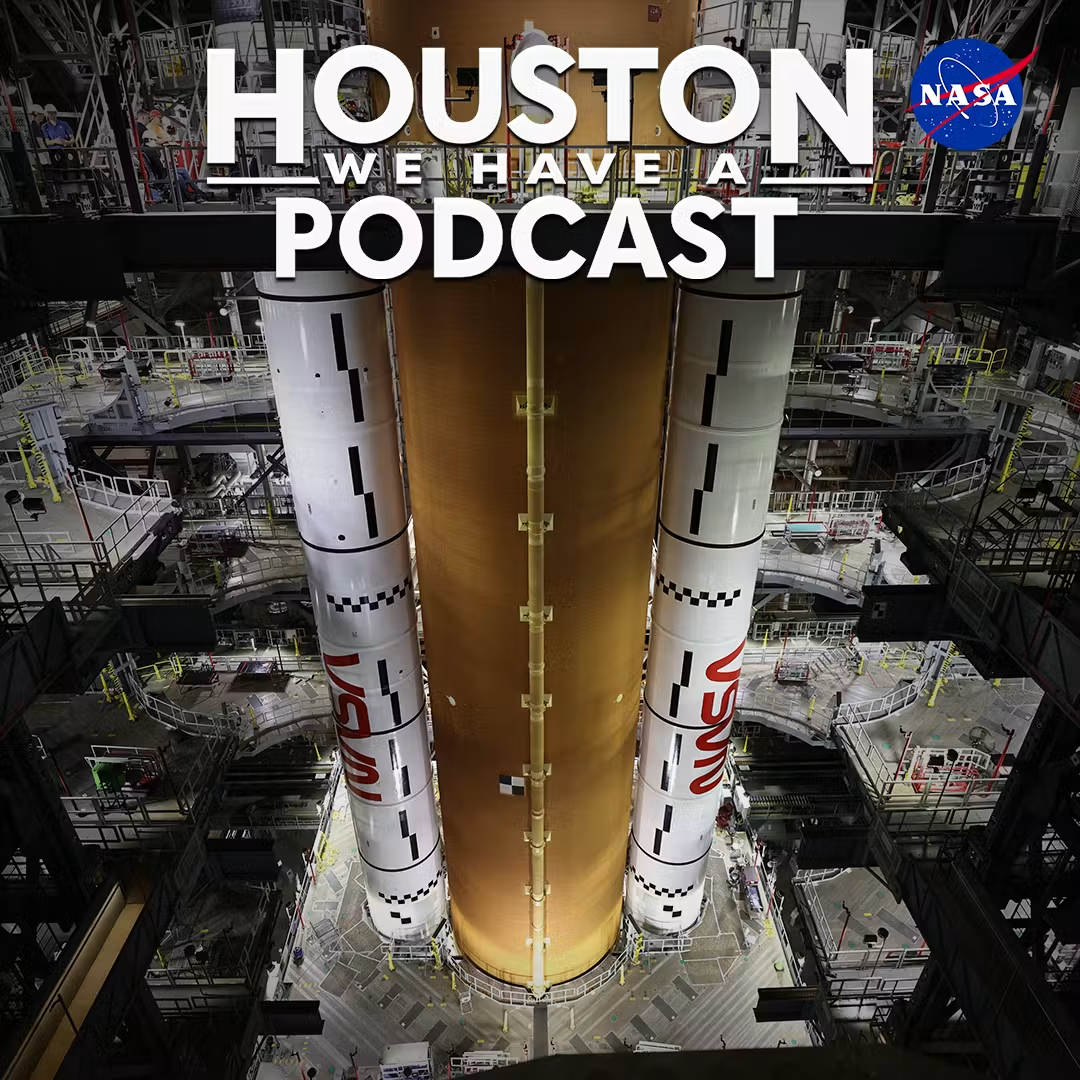
USACE Chief Historian John Lonnquest shares the legacy of the U.S. Army Corps of Engineers and their role in building NASA’s spaceflight infrastructure. HWHAP 395.
Many of us feel pressure to hit big life milestones on a timeline. But what if age is an asset, not a liability? This hour, TED speakers examine the benefits and drawbacks of being a late bloomer. Guests include writer Doree Shafrir, network scientist Albert-László Barabási, anti-ageism activist Ashton Applewhite and retired educator Riley Moynes. Listeners also share stories.
Original broadcast date: November 11, 2022.
See pcm.adswizz.com for information about our collection and use of personal data for sponsorship and to manage your podcast sponsorship preferences.
NPR Privacy Policy
LIVE SHOW: August 18th in Brooklyn. Tickets here.
There are occasional incentives in business that make it very profitable to do bad things; maybe cheat at the game and steal other people’s ideas, or cut some corners on safety. In theory, the government as referee steps in to make the rules and enforce them, and manage competition in a way that hopefully makes things better for us all.
But you have to ask… When is the government protecting you and when is it protecting the already rich and powerful?
We’ll meet a man trying to corner the market for frozen meat, with the help of patents. And then we’ll head to the salon, and ask — Should the government really require dozens of hours of training for a license to braid hair?
Get tickets to our August 18th live show and graduation ceremony at The Bell House, in Brooklyn. (Planet Money+ supporters get a 10 percent discount off their tickets. Listen to the July 8th bonus episode to get the code!)
The series is hosted by Robert Smith and produced by Eric Mennel. Our project manager is Devin Mellor. This episode was edited by Planet Money Executive Producer Alex Goldmark and fact-checked by Sofia Shchukina.
Help support Planet Money and hear our bonus episodes by subscribing to Planet Money+ in Apple Podcasts or at plus.npr.org/planetmoney.
See pcm.adswizz.com for information about our collection and use of personal data for sponsorship and to manage your podcast sponsorship preferences.
NPR Privacy Policy
LIVE SHOW ALERT: August 18th, NYC. Get your tickets here.
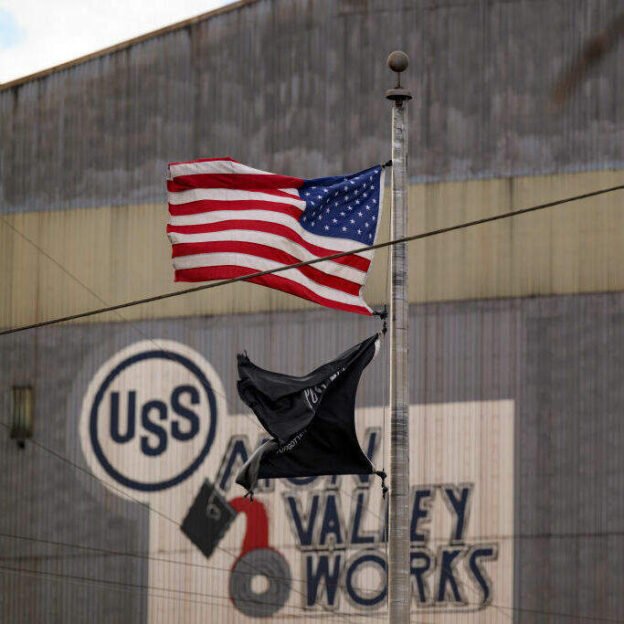
When news broke that a Japanese company, Nippon Steel, was buying the storied American steel company U.S. Steel, it was still 2023, just before an election.
And right away, politicians from both sides of the aisle came out forcefully against the deal, saying the company should remain American. Before leaving office, President Biden even blocked the sale.
But in a dramatic twist a few weeks ago, President Trump approved it. With a caveat: the U.S. would get what Trump called ‘a golden share’ in U.S. Steel.
On our latest show: what even is a “golden share”? When has it been used before, and why? And, could deals like this be a good way to get foreign investment in American manufacturing…or is it government overreach?
Related episodes:
– When Uncle Sam owned banks and factories
– How Big Steel in the U.S. fell
This episode was produced by Willa Rubin and edited by Marianne McCune. Research help from Emily Crawford and Emma Peaslee. It was fact-checked by Sierra Juarez and engineered by Robert Rodriguez. Alex Goldmark is our executive producer.
Support Planet Money, get bonus episodes, sponsor-free listening and now Summer School episodes one week early by subscribing to Planet Money+ in Apple Podcasts or at plus.npr.org/planetmoney.
Listen free at these links: Apple Podcasts, Spotify, the NPR app or anywhere you get podcasts.
Find more Planet Money: Facebook / Instagram / TikTok / Our weekly Newsletter.
See pcm.adswizz.com for information about our collection and use of personal data for sponsorship and to manage your podcast sponsorship preferences.
NPR Privacy Policy
NASA’s Artemis II Flight Director Jeff Radigan shares what it takes to lead the first human mission of the Artemis program around the Moon. HWHAP 394.
As AI infiltrates every aspect of our lives, who are some of the people behind this huge inflection point? In this special three-part series, you’ll hear from the people predicting and shaping our tech future. Host Manoush Zomorodi reports on the latest and revisits her favorite conversations with the minds crafting the digital world we live in today: what they’ve gotten right — and wrong — and where they think we’re headed next. Part 3 features biochemist Jennifer Doudna, neurologist Tom Oxley and legal scholar Nita Farahany.
See pcm.adswizz.com for information about our collection and use of personal data for sponsorship and to manage your podcast sponsorship preferences.
NPR Privacy Policy
Although it seems like the government can spend an endless amount of money, it cannot actually do all the things it wants to do. So the big question in this week’s lesson is: How do we decide? Why does the government spend so much money on some things and not on others? And honestly, is there any limit?Get tickets to our August 18th live show and graduation ceremony at The Bell House, in Brooklyn. (Planet Money+ supporters get a 10 percent discount off their tickets. Listen to the July 8th bonus episode to get the discount code!)The series is hosted by Robert Smith and produced by Eric Mennel. Our project manager is Devin Mellor. This episode was edited by Planet Money Executive Producer Alex Goldmark and fact-checked by Emily Crawford.Help support Planet Money and hear our bonus episodes by subscribing to Planet Money+ in Apple Podcasts or at plus.npr.org/planetmoney.Always free at these links: Apple Podcasts, Spotify, the NPR app or anywhere you get podcasts.Find more Planet Money: Facebook / Instagram / TikTok / Our weekly Newsletter.
See pcm.adswizz.com for information about our collection and use of personal data for sponsorship and to manage your podcast sponsorship preferences.
NPR Privacy Policy
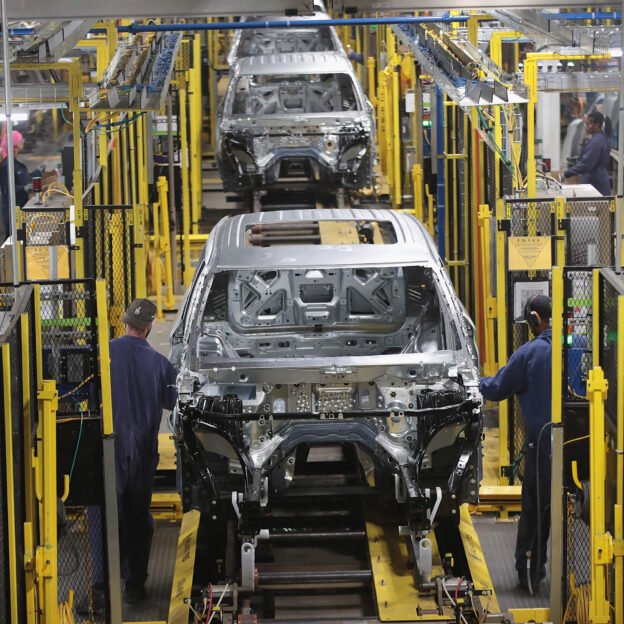
It seems like politicians cannot agree on a lot. But many seem to agree on… manufacturing. Leaders of both political parties have been working to try and make the U.S. a manufacturing powerhouse again.
On today’s show, what is so special about manufacturing? Is it particularly important for the economy? And if manufacturing jobs are so great, then why have companies been struggling to fill the manufacturing jobs we already have?
For more on manufacturing in the U.S:
– Made in America, an episode about what manufacturing work in the U.S. can be like for garment workers and how much they’re paid to make each piece of clothing “made in the U.S.”
– Why aren’t Americans filling the manufacturing jobs we already have?
– What makes manufacturing jobs special? The answer could help rebuild the middle class
– Can bringing back manufacturing help the heartland catch up with ‘superstar’ cities?
– And, for more, check out the Planet Money newsletter’s manufacturing series at npr.org/manufacturing
Find more Planet Money: Facebook / Instagram / TikTok / Our weekly Newsletter.
Listen free at these links: Apple Podcasts, Spotify, the NPR app or anywhere you get podcasts.
Support Planet Money, get bonus episodes, sponsor-free listening, and now early access to new episodes of Summer School by signing up for Planet Money+ in Apple Podcasts or atplus.npr.org/planetmoney.
See pcm.adswizz.com for information about our collection and use of personal data for sponsorship and to manage your podcast sponsorship preferences.
NPR Privacy Policy