Government. The Big G. We like to imagine the free market and the invisible hand as being independent from political influence. But Nobel laureate, Simon Johnson, says that influence has been there since the birth of economics. Call it political economy. Call it government and business. Call it our big topic each Wednesday through Labor Day.
We’re kicking off another semester of Planet Money Summer School asking the biggest question: Why are some nations rich and others poor? With stories from India, New York City and Peru, we look at the ways in which government bureaucracy can help make or break an economy.
Tickets for Planet Money Live at the Bell House available here. Planet Money+ supporters get a 10 percent discount off their tickets. Go to plus.npr.org to sign up, if you haven’t already, and listen to the July 8th bonus episode to get the discount code.
Always free at these links: Apple Podcasts, Spotify, the NPR app or anywhere you get podcasts.
Find more Planet Money: Facebook / Instagram / TikTok / Our weekly Newsletter.
Planet Money+ supporters get early access to new episodes of Summer School this season! You also get sponsor-free listening, regular bonus episodes, and you’ll help support the work of Planet Money.
Sign up for Planet Money+ in Apple Podcasts or at plus.npr.org/planetmoney.
See pcm.adswizz.com for information about our collection and use of personal data for sponsorship and to manage your podcast sponsorship preferences.
NPR Privacy Policy
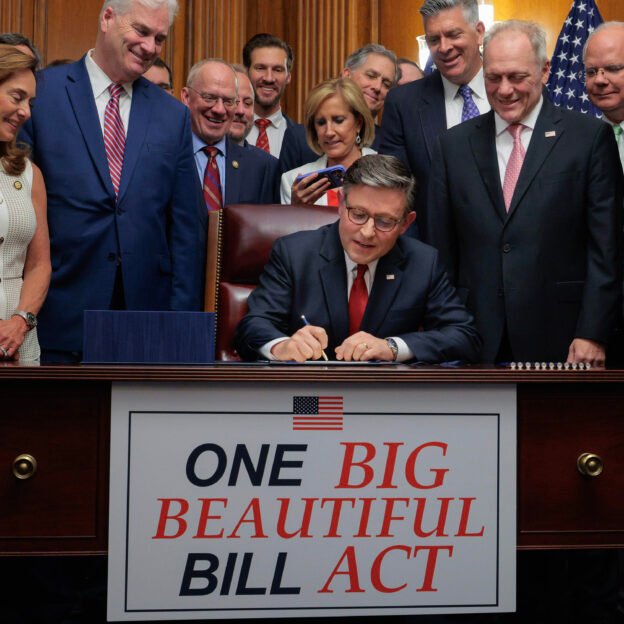
If we think about the economic effects of President Donald Trumps big taxing and spending and domestic policy bill, we can roughly sum it up in one line. It goes something like this:
We will make many big tax cuts permanent and pay for those tax cuts by cutting Medicaid and a few other things and also…by borrowing money.
A lot of money.
Even more than we’ve already been borrowing over the past twenty years. (And that was already a lot, too!)
Today: simple arithmetic with profound ramifications. Tax cuts, spending cuts, and whether they balance out. (Spoiler: no.)
We look under the hood to see how all this is calculated. And we ask: how will a bigger deficit play out for all of us, in our normal, regular lives?
We’ve covered a bunch more having to do with the big taxing and spending bill and the federal debt recently on Planet Money and our short daily show The Indicator:
– So, how’s this No Tax On Tips thing gonna go?
– A thought experiment on how to fix the national debt problem
– The paperwork trap: A sneaky way to cut Medicaid in the ‘One Big Beautiful Bill’?
– The debt limit, the origins of the X Date, and why it all matters
– What’s a revenge tax?
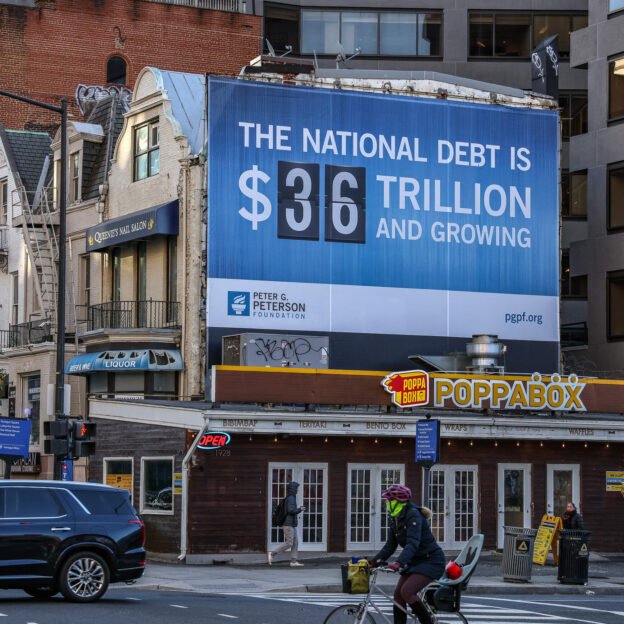
– Is the federal debt REALLY that bad?
Support Planet Money, get bonus episodes and sponsor-free listening and now Summer School episodes one week early by subscribing to Planet Money+ in Apple Podcasts or at plus.npr.org/planetmoney.
Listen free at these links: Apple Podcasts, Spotify, the NPR app or anywhere you get podcasts.
See pcm.adswizz.com for information about our collection and use of personal data for sponsorship and to manage your podcast sponsorship preferences.
NPR Privacy Policy
Whether you love or hate fashion, we all have to get dressed in the morning. And the industry affects us in complex ways. This hour, the outrageous, environmental and seedy sides of fashion. Guests include designer Machine Dazzle, supply chain expert Aparna Mehta, journalist Amanda Mull and supermodel Cameron Russell. Original broadcast date: September 6, 2024
TED Radio Hour+ subscribers now get access to bonus episodes, with more ideas from TED speakers and a behind the scenes look with our producers. A Plus subscription also lets you listen to regular episodes (like this one!) without sponsors. Sign-up at: plus.npr.org/ted
See pcm.adswizz.com for information about our collection and use of personal data for sponsorship and to manage your podcast sponsorship preferences.
NPR Privacy Policy
There’s an economic fantasy you sometimes hear in D.C. It often gets trotted out when politicians are trying to add billions or trillions to the national debt. They claim that all the new spending will be worth it in the end because we will supercharge economic growth.
This fantasy recurs again and again, because economic growth is a potent force. Over the next few decades, tiny changes in how fast our economy grows could decide the fate of the federal government — whether we can bring the massive national debt under control or whether we spiral into a fiscal crisis.
Today on the show, we talk to three economists who have been sifting through the latest evidence. They’re trying to figure out what the government could actually do to make the economy grow faster. Could we even grow fast enough to outrun our national debt?
For a list of citations, check out our episode page.
This episode of Planet Money was produced by Emma Peaslee with help from Sam Yellowhorse Kesler. It was edited by Jess Jiang. It was fact-checked by Sierra Juarez and engineered by Ko Takasugi-Czernowin. Alex Goldmark is Planet Money’s executive producer.
Find more Planet Money: Facebook / Instagram / TikTok / Our weekly Newsletter.
Listen free at these links: Apple Podcasts, Spotify, the NPR app or anywhere you get podcasts.
Help support Planet Money and hear our bonus episodes by subscribing to Planet Money+ in Apple Podcasts or at plus.npr.org/planetmoney.
See pcm.adswizz.com for information about our collection and use of personal data for sponsorship and to manage your podcast sponsorship preferences.
NPR Privacy Policy
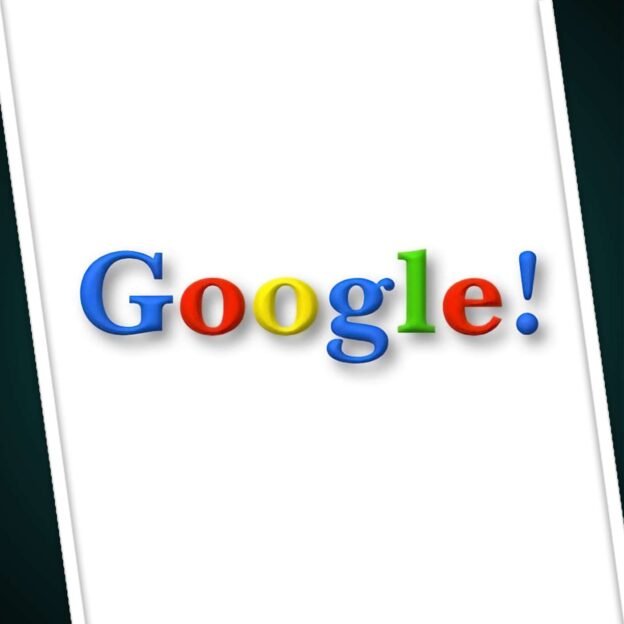
We tell the story of the single greatest business ever created: Google search. From its origins as a Stanford research project called BackRub, Google became the front door to the internet. Today it’s an essential service for over half the world, and one that generates more profit than ANY other US company — more than Apple, Microsoft, or Berkshire Hathaway.
But it wasn’t always so obvious. When Larry and Sergey began working on BackRub in 1996, search was a backwater industry in silicon valley. Existing search companies were eking out a living as vendors to the then-dominant “portals” like AOL and Yahoo. Google’s come-from-behind success was the result of three massive step-function leaps forward in algorithms, infrastructure and business model… some invented by Google and some borrowed (and perfected!) by them.
Today, things are not so obvious once again for Google. Despite earning more profits than all of its big tech peers, its stock trades at significantly lower multiples — a $1 trillion or more discount to Apple, Microsoft and Nvidia. Investors are concerned that AI will render Google’s beautiful business model obsolete, even though Google also basically invented modern AI and continues to lead on many dimensions. This episode begins a multi-part series where we dive into the full history that led us to this point. Tune in and enjoy!
Update: when you finish, check out our Google Part II episode, “Alphabet, Inc.“!
Sponsors:
Links:
Carve Outs:
More Acquired!
© Copyright 2015-2026 ACQ, LLC
Note: Acquired hosts and guests may hold assets discussed in this episode. This podcast is not investment advice, and is intended for informational and entertainment purposes only. You should do your own research and make your own independent decisions when considering any financial transactions.
In 2019, President Trump tweeted: “I am not a fan of Bitcoin and other Cryptocurrencies.” Today, the Trumps are all over crypto.
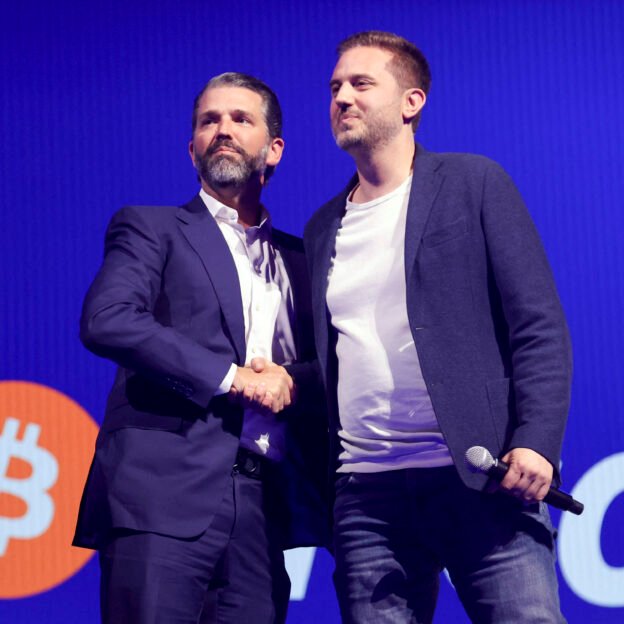
There are memecoins for Trump and the first lady. They own a stablecoin, a bitcoin mining operation, and a crypto financial services company. And, at the Bitcoin 2025 conference, Trump’s media group announced they’re raising 2.5 billion dollars from investors to buy bitcoin.
At that same conference, speakers included two White House advisors, two sons of the US president, the son of the U.S. Commerce Secretary, and a Trump appointee to the Securities and Exchange Commission. For a cryptocurrency built on independence from big government, this was a swerve.
So, what happens when the President of the United States showers his love on the crypto community … while also becoming a crypto entrepreneur himself? We follow along as Trump Inc.‘s Ilya Marritz and Andrea Bernstein spend three days at the Las Vegas conference center where convicts are cheered, oversight and regulation are booed, and the separation of crypto and state no longer applies.
Find more Planet Money: Facebook / Instagram / TikTok / Our weekly Newsletter.
Listen free at these links: Apple Podcasts, Spotify, the NPR app or anywhere you get podcasts.
Help support Planet Money and hear our bonus episodes by subscribing to Planet Money+ in Apple Podcasts or at plus.npr.org/planetmoney.
See pcm.adswizz.com for information about our collection and use of personal data for sponsorship and to manage your podcast sponsorship preferences.
NPR Privacy Policy
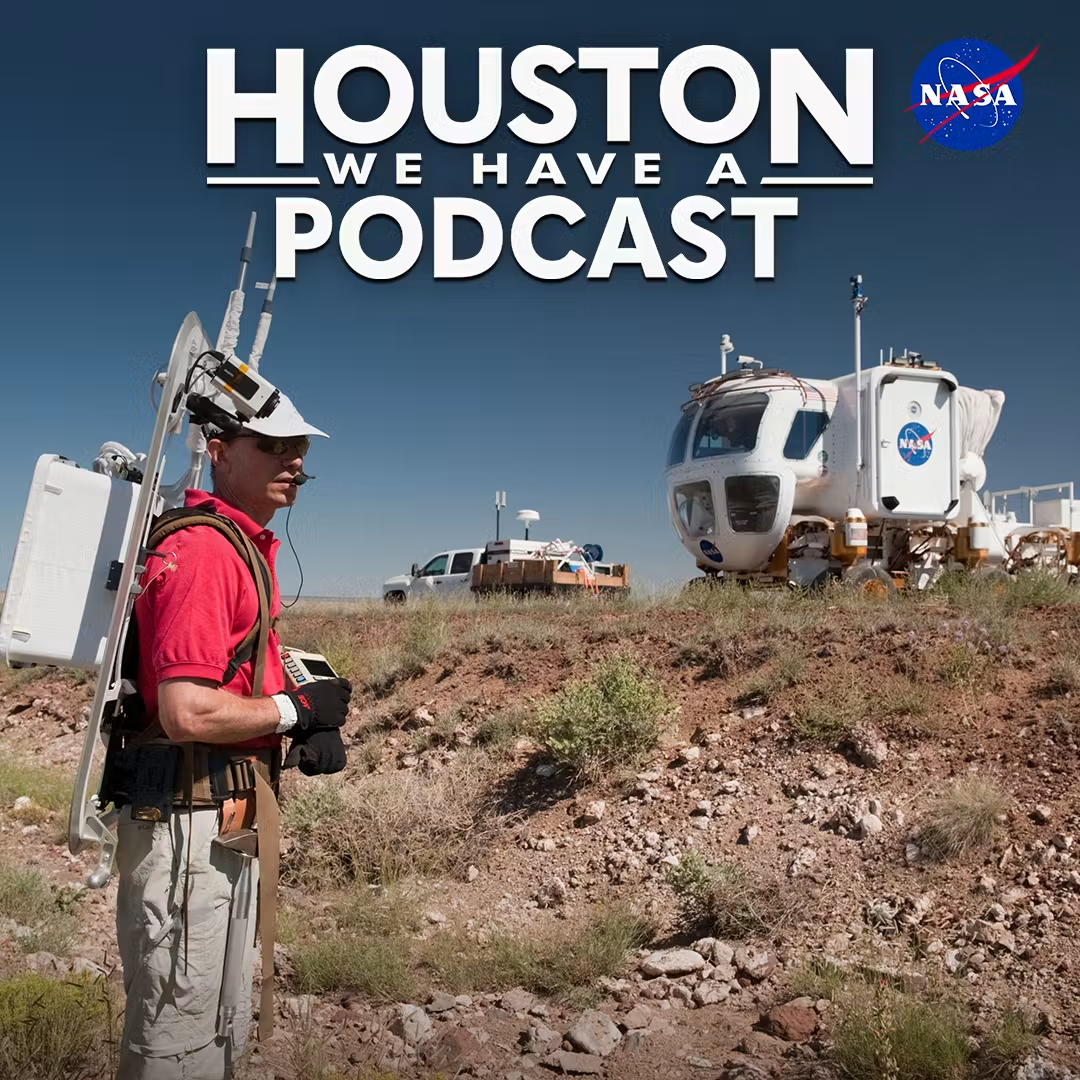
NASA astronaut Stan Love discusses the challenges of sending humans to Mars and what it will take to get us to the Red Planet. HWHAP 391.
A second glance can change everything. This hour, TED speakers will make you think twice about robots, history lessons and even wine bottles.
Guests include artists Agnieszka Pilat and Tavares Strachan, chemical engineer Franziska Trautmann and musician Mike Posner.
TED Radio Hour+ subscribers now get access to bonus episodes, with more ideas from TED speakers and a behind the scenes look with our producers. A Plus subscription also lets you listen to regular episodes (like this one!) without sponsors. Sign-up at plus.npr.org/ted.
See pcm.adswizz.com for information about our collection and use of personal data for sponsorship and to manage your podcast sponsorship preferences.
NPR Privacy Policy
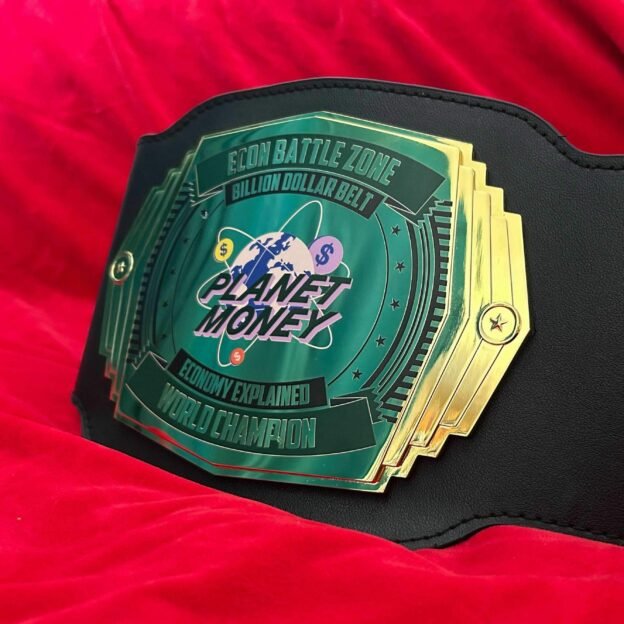
Econ Battle Zone is back! On today’s episode Mary Childs and Kenny Malone enter Econ Battle Stadium to throw down against reigning champion Erika Beras.
Can Mary explain what effect extending the 2017 tax cuts will have on economic growth AND make her entire segment rhyme? Will Erika be able to overcome her fear of singing and craft a country song about the history of Medicaid? Can Kenny put together a piece about what warning signs economists look for to know whether the national debt has grown too large… but as a romantic comedy?
Guest judges Betsey Stevenson and David Kestenbaum face a difficult choice… but only one contestant can claim the coveted Econ Battle Zone Belt.
Artists featured in this episode: Rexx Life Raj (IG: @rexxliferaj); Merle Hazard; Alison Brown; Tristan Scroggins; Matt Coles; and Garry West.
Special thanks to Liz Garton Scanlon, Robin Rudowitz and Sarah Rosenbaum.
Find more Planet Money: Facebook / Instagram / TikTok / Our weekly Newsletter.
Listen free at these links: Apple Podcasts, Spotify, the NPR app or anywhere you get podcasts.
Help support Planet Money and hear our bonus episodes by subscribing to Planet Money+ in Apple Podcasts or at plus.npr.org/planetmoney.
See pcm.adswizz.com for information about our collection and use of personal data for sponsorship and to manage your podcast sponsorship preferences.
NPR Privacy Policy
The U.S. has been policing bribery all over the world for nearly half a century using a law called the Foreign Corrupt Practices Act. But now, President Trump has said that this anti-corruption law is crippling American businesses. Since taking office, his administration has reduced the number of investigators, killed some cases, and changed the rules.
In this episode, we look at the FCPA case against Glencore, a large commodity trading company, found guilty in 2022 for paying cash bribes in exchange for lucrative contracts all over the world.
And we go back to the inception of the law, a time when using bribes to pay off foreign officials was considered “grease in the wheels” – a reasonable (if unethical) way to get business done.
This episode was hosted by Amanda Aronczyk and Erika Beras. It was produced by Willa Rubin. It was fact-checked by Emily Crawford with help from Willa Rubin. It was edited by Marianne McCune. It was engineered by James Willetts. Alex Goldmark is Planet Money‘s executive producer.
Find more Planet Money: Facebook / Instagram / TikTok / Our weekly Newsletter.
Listen free at these links: Apple Podcasts, Spotify, the NPR app or anywhere you get podcasts.
Help support Planet Money and hear our bonus episodes by subscribing to Planet Money+ in Apple Podcasts or at plus.npr.org/planetmoney.
See pcm.adswizz.com for information about our collection and use of personal data for sponsorship and to manage your podcast sponsorship preferences.
NPR Privacy Policy