Two NASA experts talk about Exploration Park, a research facility near Johnson Space Center will enable collaboration with the agency on space hardware development. HWHAP 390.
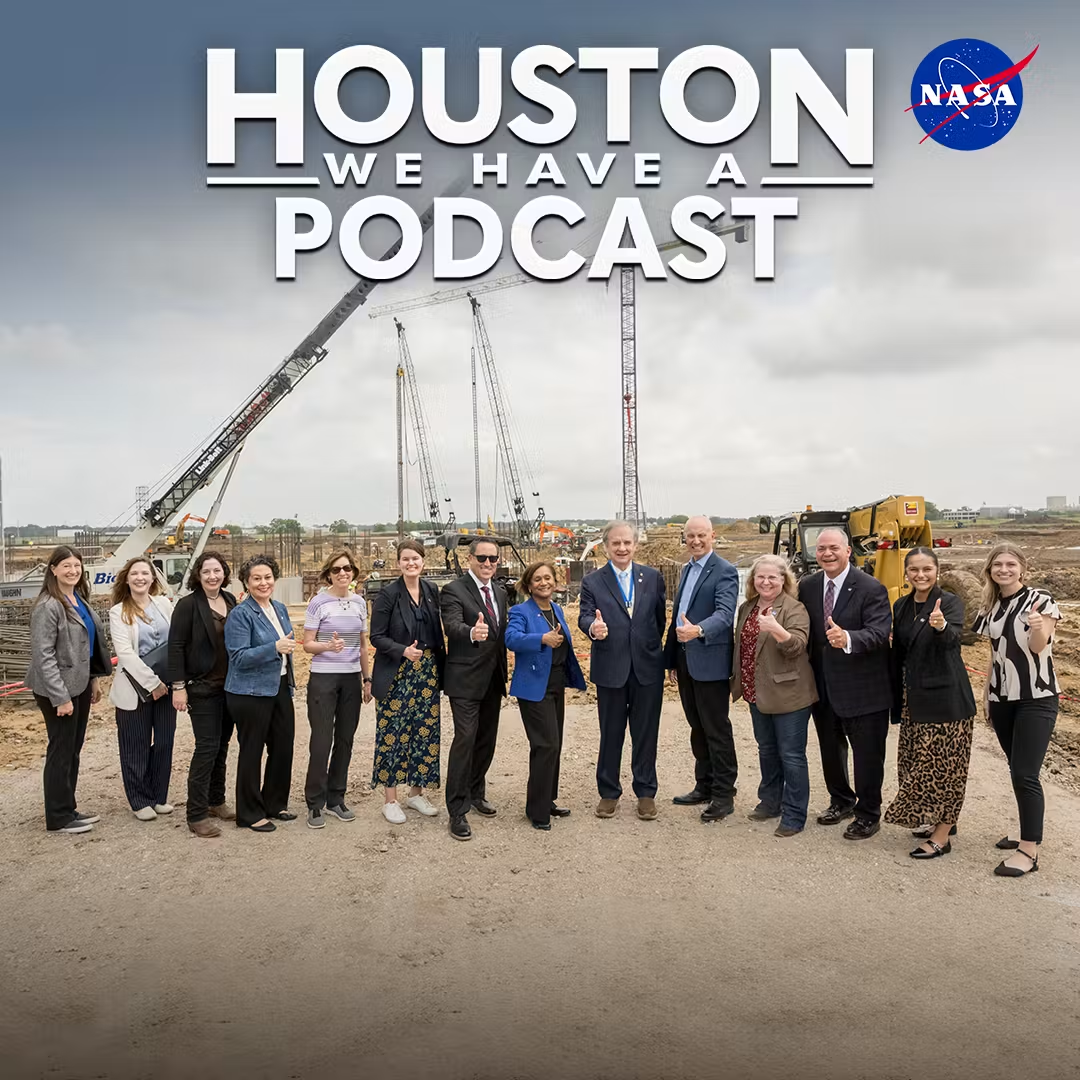
Two NASA experts talk about Exploration Park, a research facility near Johnson Space Center will enable collaboration with the agency on space hardware development. HWHAP 390.
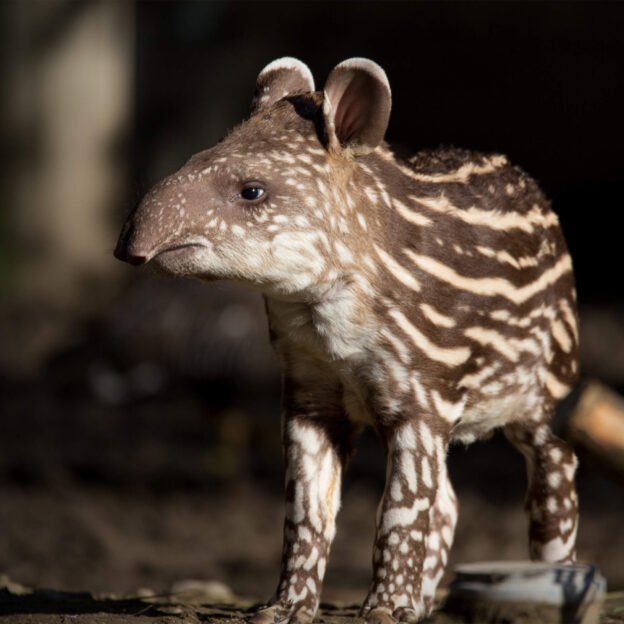
From the bugs in our backyards to prehistoric reptiles, animal biology and behavior are full of puzzles and conundrums. On this episode, we hear from experts solving the mysteries of the animal kingdom.
Original broadcast date: July 14, 2023.
Guests include paleontologist Dean Lomax, biochemical engineer Saad Bhamla, herpetologist Gowri Shankar and conservation biologist Patrícia Medici.
TED Radio Hour+ subscribers now get access to bonus episodes, with more ideas from TED speakers and a behind the scenes look with our producers. A Plus subscription also lets you listen to regular episodes (like this one!) without sponsors. Sign-up at plus.npr.org/ted.
See pcm.adswizz.com for information about our collection and use of personal data for sponsorship and to manage your podcast sponsorship preferences.
Note: A version of this episode first ran in 2023.
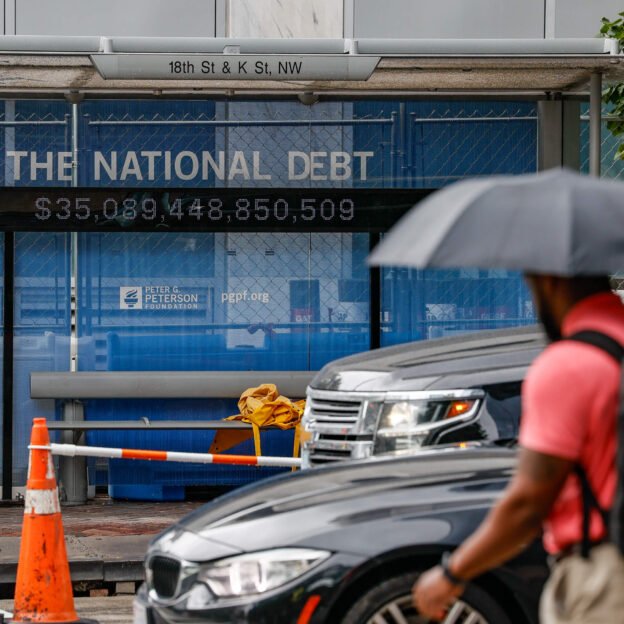
Every year, the U.S. government spends more money than it takes in. In order to fund all that spending, the country takes on debt. Congress has the power to limit how much debt the U.S. takes on. Once we reach that limit, Congress has a few options so that the government keeps paying its bills: Raise the debt limit, suspend it, or eliminate it entirely.
Which is daunting, because if lawmakers don’t figure something out in time, the ramifications for the global economy could be huge.
Shai Akabas, of the Bipartisan Policy Center, has become something of the go-to expert in calculating the exact date America would hit the wall and not be able to pay all its debts. This day is so terrifying it has a special name, the X-Date.
Today’s episode is about how Akabas and Jay Powell — long before he became chair of the Federal Reserve — worked to create a system to determine the X-Date with the hope of helping us all never reach it.
We also have an update on this year’s looming X-Date, which could arrive as soon as this summer.
Find more Planet Money: Facebook / Instagram / TikTok / Our weekly Newsletter.
Listen free at these links: Apple Podcasts, Spotify, the NPR app or anywhere you get podcasts.
Help support Planet Money and hear our bonus episodes by subscribing to Planet Money+ in Apple Podcasts or at plus.npr.org/planetmoney.
See pcm.adswizz.com for information about our collection and use of personal data for sponsorship and to manage your podcast sponsorship preferences.
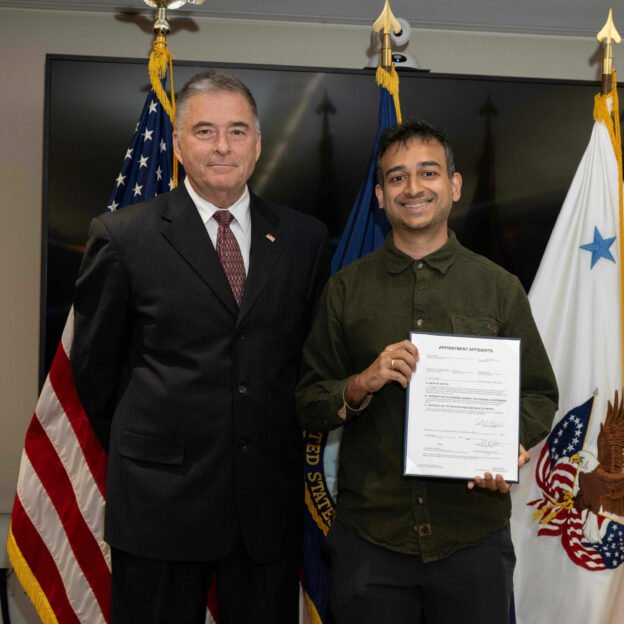
What was it like to work inside Elon Musk’s DOGE? The cost-cutting initiative promised transparency, but most of its actions have been shrouded in secrecy.For months, there were reports of software engineers and Trump loyalists entering agencies and accessing sensitive data. DOGE also helped the Trump administration lay off thousands of government workers. NPR reporters have been trying for months to get anyone from DOGE to talk on the record. Now, Sahil Lavingia, a former DOGE staffer assigned to the Department of Veteran Affairs, is speaking. Today, what drew Sahil to DOGE and what he learned about the inner workings, in a way we’ve never heard before.For more on DOGE and the federal workforce: – The last time we shrank the federal workforce – Can… we still trust the monthly jobs report? – Can the Federal Reserve stay independent?This episode was hosted by Kenny Malone and Bobby Allyn. It was produced by Sam Yellowhorse Kesler and Emma Peaslee. It was edited by Jess Jiang and fact-checked by Sierra Juarez. It was engineered by Neal Rauch. Alex Goldmark is Planet Money‘s executive producer.Find more Planet Money: Facebook / Instagram / TikTok / Our weekly Newsletter.Listen free at these links: Apple Podcasts, Spotify, the NPR app or anywhere you get podcasts.Help support Planet Money and hear our bonus episodes by subscribing to Planet Money+ in Apple Podcasts or at plus.npr.org/planetmoney.
See pcm.adswizz.com for information about our collection and use of personal data for sponsorship and to manage your podcast sponsorship preferences.

A NASA aircraft operations expert discusses the aviation history and work being done at Ellington Field in Houston as a training ground for astronauts. HWHAP 389.

How do you find the courage to leave the world you know and make your way to a completely different reality? This episode, TED speakers share ideas about escape and renewal.
Guests include author Pico Iyer, NXIVM whistleblower Sarah Edmondson, captain and navigator Lehua Kamalu and TV producer and screenwriter Shonda Rhimes.
TED Radio Hour+ subscribers now get access to bonus episodes, with more ideas from TED speakers and a behind the scenes look with our producers. A Plus subscription also lets you listen to regular episodes (like this one!) without sponsors. Sign-up at plus.npr.org/ted.
See pcm.adswizz.com for information about our collection and use of personal data for sponsorship and to manage your podcast sponsorship preferences.
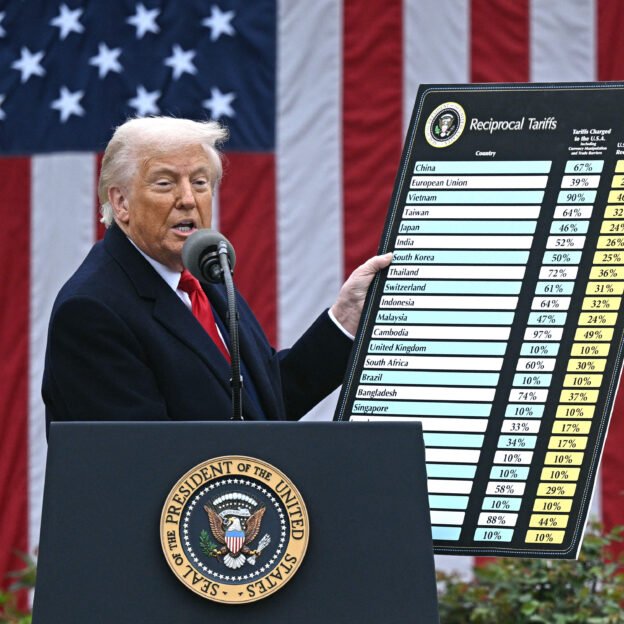
When President Trump announced his sweeping new tariffs this year, many trade law experts were startled. Typically, presidents don’t have the authority to impose broad tariffs with a snap of their fingers.
But Trump’s advisors have an unusual new legal theory. They say that as long as there’s a national emergency of some kind, Trump may be able to create whatever tariffs he wants. This is a creative interpretation of a 1977 law called the International Emergency Economic Powers Act, or IEEPA. To justify his latest tariffs, the president declared national emergencies involving illegal immigration, the fentanyl crisis, and the trade deficit.
But no president has ever tried to use the law in this way.
Now, the fate of Trump’s tariffs — and the creative legal theory behind them — lies with the courts. About a dozen lawsuits have challenged his tariffs, claiming that they are unlawful and possibly even unconstitutional. And some judges have started to agree.
On today’s show: What are the President’s powers when it comes to tariffs? Where do they come from? What are their limits? And, what will be the fate of Trump’s tariffs?
For more on Trump’s tariffs:
– The 145% tariff already did its damage
– Do trade deficits matter?
– What “Made in China” actually means
Find more Planet Money: Facebook / Instagram / TikTok / Our weekly Newsletter.
Help support Planet Money and hear our bonus episodes by subscribing to Planet Money+ in Apple Podcasts or at plus.npr.org/planetmoney.
See pcm.adswizz.com for information about our collection and use of personal data for sponsorship and to manage your podcast sponsorship preferences.
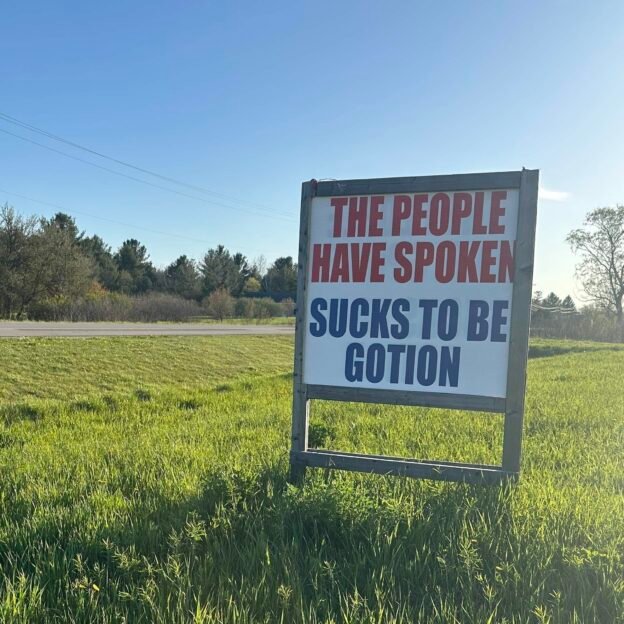
Over the past decade, politicians from both parties have courted American voters with an enticing economic prospect – the dream of bringing manufacturing and manufacturing jobs back to America. They’ve pushed for that dream with tariffs and tax breaks and subsidies. But what happens when one multinational company actually responds to those incentives, and tries to set up shop in Small Town, USA?
Today on the show – how a battery factory ignited a political firestorm over what kind of factories we actually want in our backyard. And what happens when the global economy meets town hall democracy.
This episode of Planet Money was produced by Emma Peaslee and Sylvie Douglis. It was edited by Marianne McCune and fact checked by Sierra Juarez. It was engineered by Robert Rodriguez. Alex Goldmark is our executive producer.
Read Viola Zhou’s reporting on the Gotion battery factory.
Find more Planet Money: Facebook / Instagram / TikTok / Our weekly Newsletter.
Listen free at these links: Apple Podcasts, Spotify, the NPR app or anywhere you get podcasts.
Help support Planet Money and hear our bonus episodes by subscribing to Planet Money+ in Apple Podcasts or at plus.npr.org/planetmoney.
Music: NPR Source Audio – “Collectible Kicks,” “Arturo’s Revenge,” and “Liquid Courage”
See pcm.adswizz.com for information about our collection and use of personal data for sponsorship and to manage your podcast sponsorship preferences.
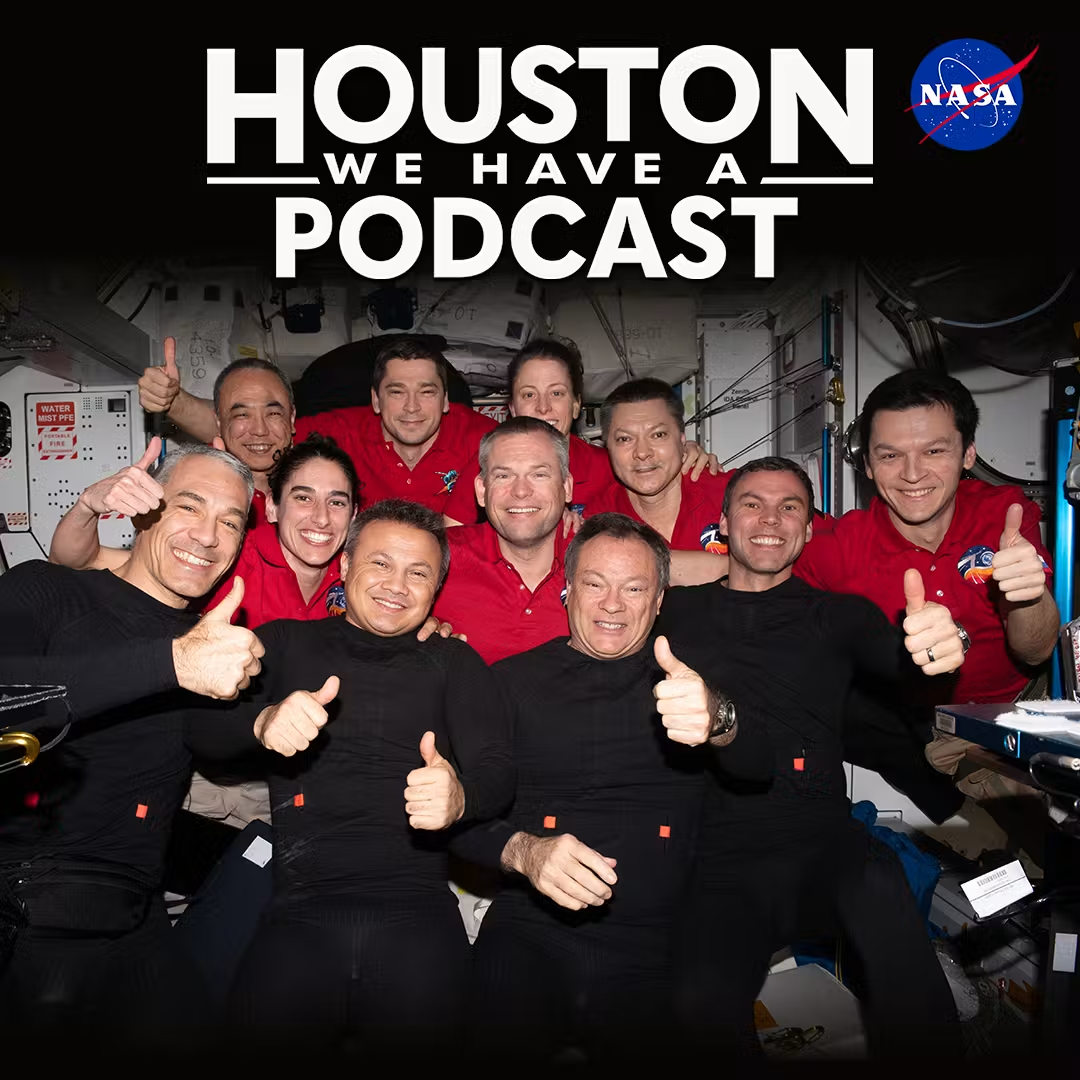
NASA and Axiom Space mission managers discuss how they work together to enable private astronaut missions ahead of Axiom Mission 4’s launch. HWHAP 388.

The thrill of victory; the agony of defeat. Sports clichés are everywhere. But what does it actually take to think like a winner? This hour, TED speakers explore the psychology of winning and losing.
Guests include former professional soccer player Abby Wambach, cognitive scientist Sian Leah Beilock, journalist Kate Fagan and art historian Sarah Lewis.
Original broadcast date: July 19, 2024.
TED Radio Hour+ subscribers now get access to bonus episodes, with more ideas from TED speakers and a behind the scenes look with our producers. A Plus subscription also lets you listen to regular episodes (like this one!) without sponsors. Sign-up at plus.npr.org/ted.
See pcm.adswizz.com for information about our collection and use of personal data for sponsorship and to manage your podcast sponsorship preferences.