Today on the show – our crypto president. Just before President Donald Trump began his second administration in January, he and his business partners launched the $TRUMP coin. It’s a memecoin that quickly raked in hundreds of millions of dollars. And there’s a lot of earning potential still left on the table. Is that even legal?
We bring you two stories from our daily show, The Indicator about President Trump and his ties to crypto. First, the Trump coin. We explain what it is, how the real Donald Trump profits from it, and yes, whether this whole crypto scheme is within the law. Then we take a look at Stablecoins: how they work, how they make money, and for whom.
The original episodes from The Indicator were produced by Cooper Katz McKim and Corey Bridges. They were engineered by Harry Paul and Robert Rodriguez. They were fact-checked by Sierra Juarez. Kate Concannon edits the show. This episode of Planet Money was produced by James Sneed and edited by Emma Peaslee. Alex Goldmark is Planet Money‘s executive producer.
Find more Planet Money: Facebook / Instagram / TikTok / Our weekly Newsletter.
Listen free at these links: Apple Podcasts, Spotify, the NPR app or anywhere you get podcasts.
Help support Planet Money and hear our bonus episodes by subscribing to Planet Money+ in Apple Podcasts or at plus.npr.org/planetmoney.
See pcm.adswizz.com for information about our collection and use of personal data for sponsorship and to manage your podcast sponsorship preferences.
NPR Privacy Policy
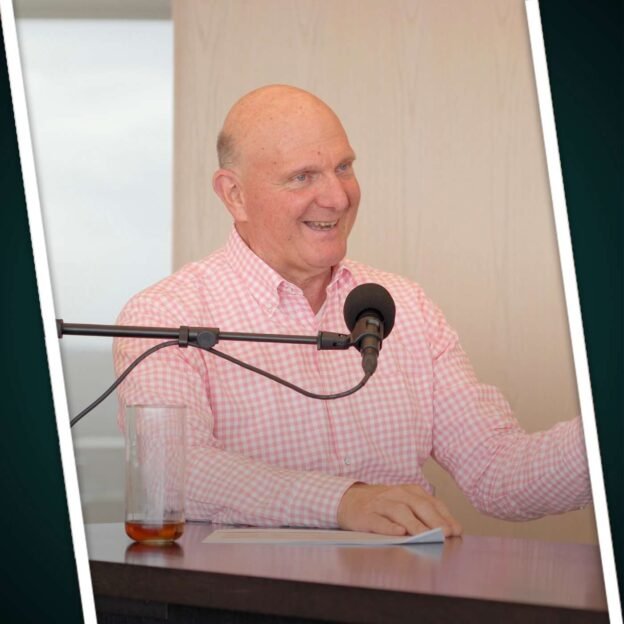
We sit down with Steve Ballmer, the legendary former Microsoft CEO and owner of the LA Clippers, for an epic conversation covering his 34 years at Microsoft. Steve listened to our Microsoft episodes and had some thoughts to share — and boy, did he deliver. Steve takes us point-by-point through the original IBM DOS deal that started everything, how he built Microsoft’s enterprise business from scratch, and offers his candid reflections on missing mobile and search. We also cover the story behind “developers, developers, developers”, the complexities of his relationship with Bill Gates (including a year where they didn’t speak), and why he ultimately decided to step down as CEO. Plus, we learn why Steve has held onto his Microsoft stock through it all — giving him arguably the best investment track record in the world over the last 10 years with his net worth growing from $20B to $130B since leaving. And of course, we couldn’t resist also talking about his other passion: the Clippers and Intuit Dome. Hit play and get ready to experience the patented Steve Ballmer energy and fun on full display!
Sponsors:
Links:
More Acquired!
© Copyright 2015-2026 ACQ, LLC
Note: Acquired hosts and guests may hold assets discussed in this episode. This podcast is not investment advice, and is intended for informational and entertainment purposes only. You should do your own research and make your own independent decisions when considering any financial transactions.
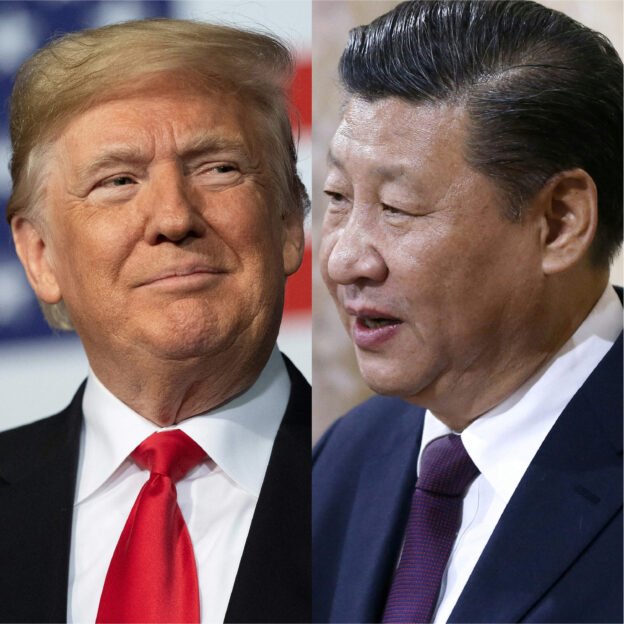
Over the last few months U.S.-China trade relations have been pretty hard to make sense of – unless you look at what’s happening through the lens of game theory. Game theory is all about how decisions are made, based not just on one side’s options and payoffs, but on the choices and incentives of others.
So, are Donald Trump and Xi Jinping competing in a simple game of chicken? Or is the game more like the prisoner’s dilemma? On today’s show, we try to decide which of four possibilities might be the best model for this incredibly high-stakes game. And we take a look at who is playing well and who might need to adjust their strategy.
For more on the U.S.-China trade war:
– The 145% tariff already did its damage
– What happened to U.S. farmers during the last trade war
– What “Made in China” actually means
This show was hosted by Keith Romer and Amanda Aronczyk. It was produced by Sam Yellowhorse Kesler. It was edited by Jess Jiang, fact-checked by Sierra Juarez and engineered by Kwesi Lee with help from Robert Rodriguez and Cena Lofreddo. Additional production help from Sylvie Douglis. Alex Goldmark is Planet Money‘s executive producer.
Find more Planet Money: Facebook / Instagram / TikTok / Our weekly Newsletter.
Listen free at these links: Apple Podcasts, Spotify, the NPR app or anywhere you get podcasts.
Help support Planet Money and hear our bonus episodes by subscribing to Planet Money+ in Apple Podcasts or at plus.npr.org/planetmoney.
See pcm.adswizz.com for information about our collection and use of personal data for sponsorship and to manage your podcast sponsorship preferences.
NPR Privacy Policy
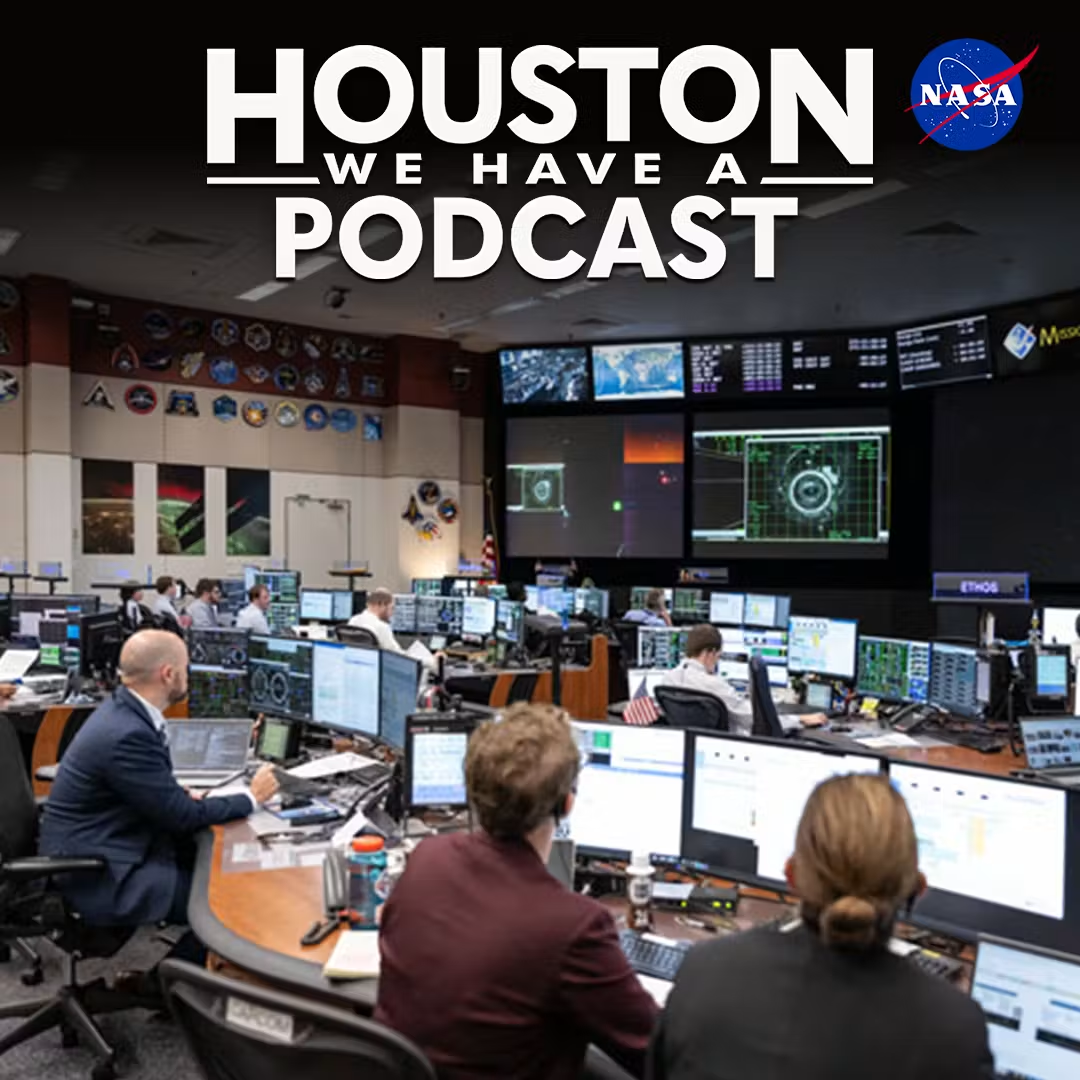
A NASA Flight Director and Capsule Communicator, or CAPCOM, discuss their roles and journeys to some of the most recognizable positions in Mission Control. HWHAP 387.
Your data is used to manipulate you—and AI makes it easier than ever before. But is that so bad? Sandra Matz explains the state of psychological targeting today and how you can protect your privacy.
TED Radio Hour+ subscribers now get access to bonus episodes, with more ideas from TED speakers and a behind the scenes look with our producers. A Plus subscription also lets you listen to regular episodes (like this one!) without sponsors. Sign-up at: plus.npr.org/ted
See pcm.adswizz.com for information about our collection and use of personal data for sponsorship and to manage your podcast sponsorship preferences.
NPR Privacy Policy
American universities are where people go to learn and teach. They’re also where research and development happens. Over the past eight decades, universities have received billions in federal dollars to help that happen. Those dollars have contributed to innovations like: Drone technology. Inhalable Covid vaccines. Google search code.
The Trump administration is cutting or threatening to cut federal funding for research. Federal funding for all kinds of science is at its lowest level in decades.
Today on the show: when did the government start funding research at universities? And will massive cuts mean the end of universities as we know them?
We hear from the man who first pushed the government to fund university research and we talk to the chancellor of a big research school, Washington University in St. Louis. He opens up his books to show us how his school gets funded and what it would mean if that funding went away.
This episode is part of our series Pax Americana, about how the Trump administration and others are challenging a set of post-World War II policies that placed the U.S. at the center of the economic universe. Listen to our episode about the reign of the dollar.
Find more Planet Money: Facebook / Instagram / TikTok / Our weekly Newsletter.
Listen free at these links: Apple Podcasts, Spotify, the NPR app or anywhere you get podcasts.
Help support Planet Money and hear our bonus episodes by subscribing to Planet Money+ in Apple Podcasts or at plus.npr.org/planetmoney.
See pcm.adswizz.com for information about our collection and use of personal data for sponsorship and to manage your podcast sponsorship preferences.
NPR Privacy Policy
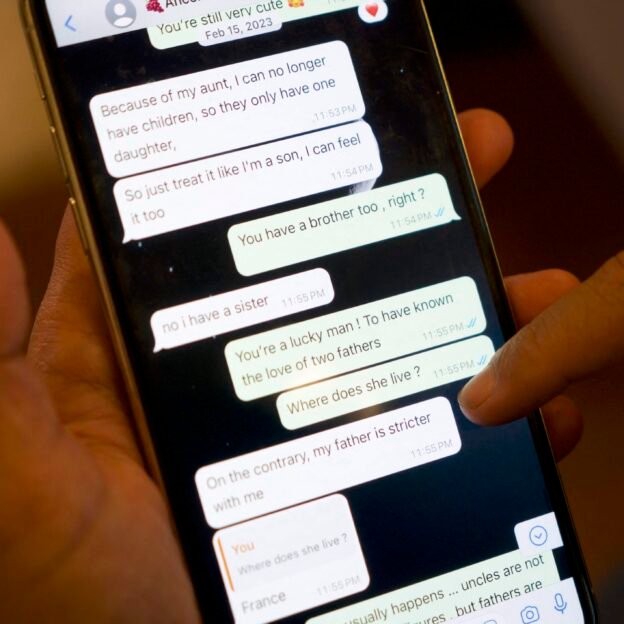
You might have seen these texts before. The scam starts innocently enough. Maybe it’s a “Long time no see” or “Hello” or “How are you.” For investigative reporter Zeke Faux it was – “Hi David, I’m Vicky Ho. Don’t you remember me?”
Many people ignore them. But Zeke responded. He wanted to get scammed. This led him on a journey halfway around the world to find out who is sending him random wrong number texts and why. After you hear this story, you’ll never look at these messages the same way again.
To hear the full episode check out Search Engine’s website.
Search Engine was created by P.J. Vogt and Sruthi Pinnamaneni. This episode was produced by Garrott Graham and Noah John. It was fact-checked by Sean Merchant. Theme, original composition, and mixing by Armin Bazarian. Search Engine’s executive producers are Jenna Weiss-Berman and Leah Reis-Dennis.
Find more Planet Money: Facebook / Instagram / TikTok / Our weekly Newsletter.
Listen free at these links: Apple Podcasts, Spotify, the NPR app or anywhere you get podcasts.
Help support Planet Money and hear our bonus episodes by subscribing to Planet Money+ in Apple Podcasts or at plus.npr.org/planetmoney.
See pcm.adswizz.com for information about our collection and use of personal data for sponsorship and to manage your podcast sponsorship preferences.
NPR Privacy Policy
Two NASA experts discuss an experiment that will further our understanding of flame behavior on the lunar surface to keep astronauts safe. HWHAP 386.
We all work in teams, from families, to companies, and everything in between. So what’s the secret to doing it better? This hour, TED speakers share surprising strategies for successful teamwork. Guests include activist Hajer Sharief, social psychologist Amy Edmondson and private equity investor Pete Stavros.
Original broadcast date: September 20, 2024.
TED Radio Hour+ subscribers now get access to bonus episodes, with more ideas from TED speakers and a behind the scenes look with our producers. A Plus subscription also lets you listen to regular episodes (like this one!) without sponsors. Sign-up at: plus.npr.org/ted
See pcm.adswizz.com for information about our collection and use of personal data for sponsorship and to manage your podcast sponsorship preferences.
NPR Privacy Policy
Lately we’ve noticed that something we think about all the time here at Planet Money is having a viral moment: recession indicators!
From the more practical (like sales for lipstick going up and men’s underwear going down) to the absurd and nonsensical (like babysitter buns coming back into style?) — people are posting to social media every little sign they see that a recession is coming. And we LOVE it. Because between the trade war and the tariffs and the stock market, there has been a lot of economic uncertainty over the last few months and we want to talk about it, too.
Today on the show — we dig into the slightly wonkier indicators that economists look at when they’re trying to answer the question behind the viral internet trend: Is a recession coming?
This episode of Planet Money was produced by James Sneed. It was edited by Marianne McCune, fact-checked by Sarah McClure, and engineered by Cena Loffredo. Alex Goldmark is our executive producer.
Find more Planet Money: Facebook / Instagram / TikTok / Our weekly Newsletter.
Help support Planet Money and hear our bonus episodes by subscribing to Planet Money+ in Apple Podcasts or at plus.npr.org/planetmoney.
Music: Source Audio – “The Shirt Still Fits,” “Chameleon Panther Style,” and “Nighthawk.”
See pcm.adswizz.com for information about our collection and use of personal data for sponsorship and to manage your podcast sponsorship preferences.
NPR Privacy Policy