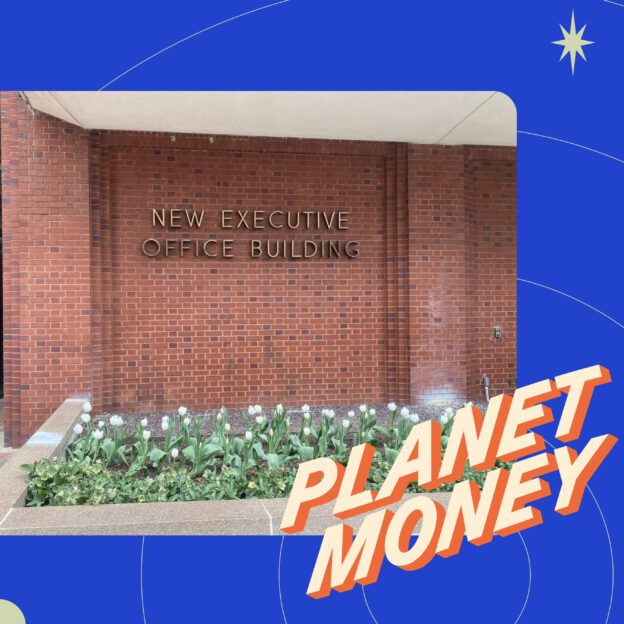
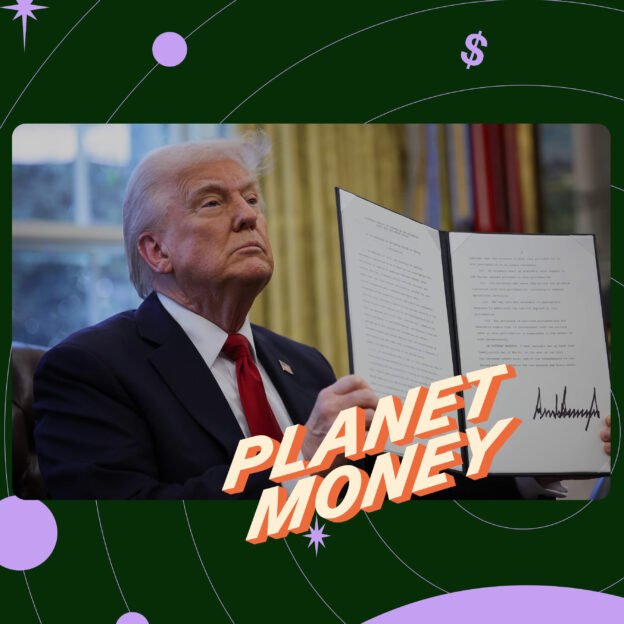
OIRA — the Office of Information and Regulatory Affairs — is an obscure, but powerful federal office around the corner from the White House. President Trump has decided that it should get even more powerful.
For the last 45 years, OIRA has overseen most federal agencies by reviewing proposed regulations to make sure they agree with the President’s policies and don’t conflict with the work of other agencies. But one set of federal agencies has always been exempt from this review process — independent federal agencies like the SEC, FTC, FCC, and Federal Reserve. Until now.
According to a new executive order, those independent agencies are about to get a lot less independent. We take a look at what this change could mean for financial markets…and the future of American democracy.
This episode was produced by James Sneed and Willa Rubin. It was edited by Jess Jiang and engineered by Jimmy Keeley. It was fact-checked by Sierra Juarez. Alex Goldmark is our executive producer.
Find more Planet Money: Facebook / Instagram / TikTok / Our weekly Newsletter.
Listen free at these links: Apple Podcasts, Spotify, the NPR app or anywhere you get podcasts.
Help support Planet Money and hear our bonus episodes by subscribing to Planet Money+ in Apple Podcasts or at plus.npr.org/planetmoney.
Music: Universal Music Production – “Tanga,” “The Jump Back,” and “Kumbatia.”
See pcm.adswizz.com for information about our collection and use of personal data for sponsorship and to manage your podcast sponsorship preferences.
NPR Privacy Policy
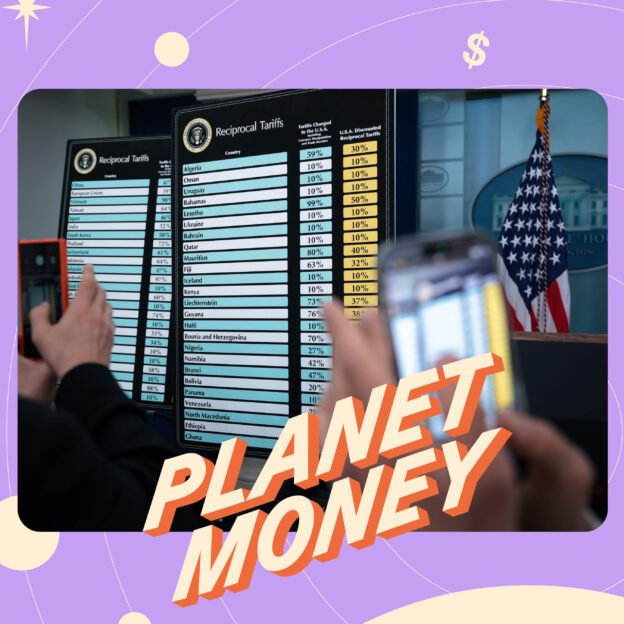
How do you run a business when a trade war is brewing? As President Trump’s tariffs kick in – or are paused or are restarted – businesses around the world are trying to navigate the uncertainty.
And, while trade is this big global thing, it is made up of individual farmers and business owners and truckers and manufacturers. Millions of people all over the world are being forced to reevaluate relationships that they’ve been building for years.
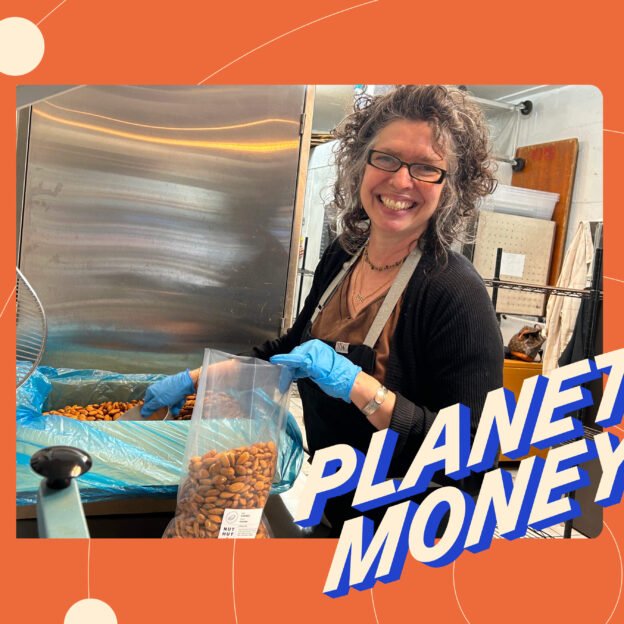
Canadians have had a head start – Trump announced his plan to tariff Canadian goods on day one in office. So in today’s episode: how one Canadian small business is trying to manage the chaos.
This episode was produced by Sylvie Douglis and edited by Sally Helm. It was engineered by Cena Loffredo and fact-checked by Sierra Juarez. Alex Goldmark is our executive producer.
Find more Planet Money: Facebook / Instagram / TikTok / Our weekly Newsletter.
Listen free at these links: Apple Podcasts, Spotify, the NPR app or anywhere you get podcasts.
Help support Planet Money and hear our bonus episodes by subscribing to Planet Money+ in Apple Podcasts or at plus.npr.org/planetmoney.
Music: NPR Source Audio – “Mr. Chill,” “Lazy Ranger,” and “Guess What”
See pcm.adswizz.com for information about our collection and use of personal data for sponsorship and to manage your podcast sponsorship preferences.
NPR Privacy Policy
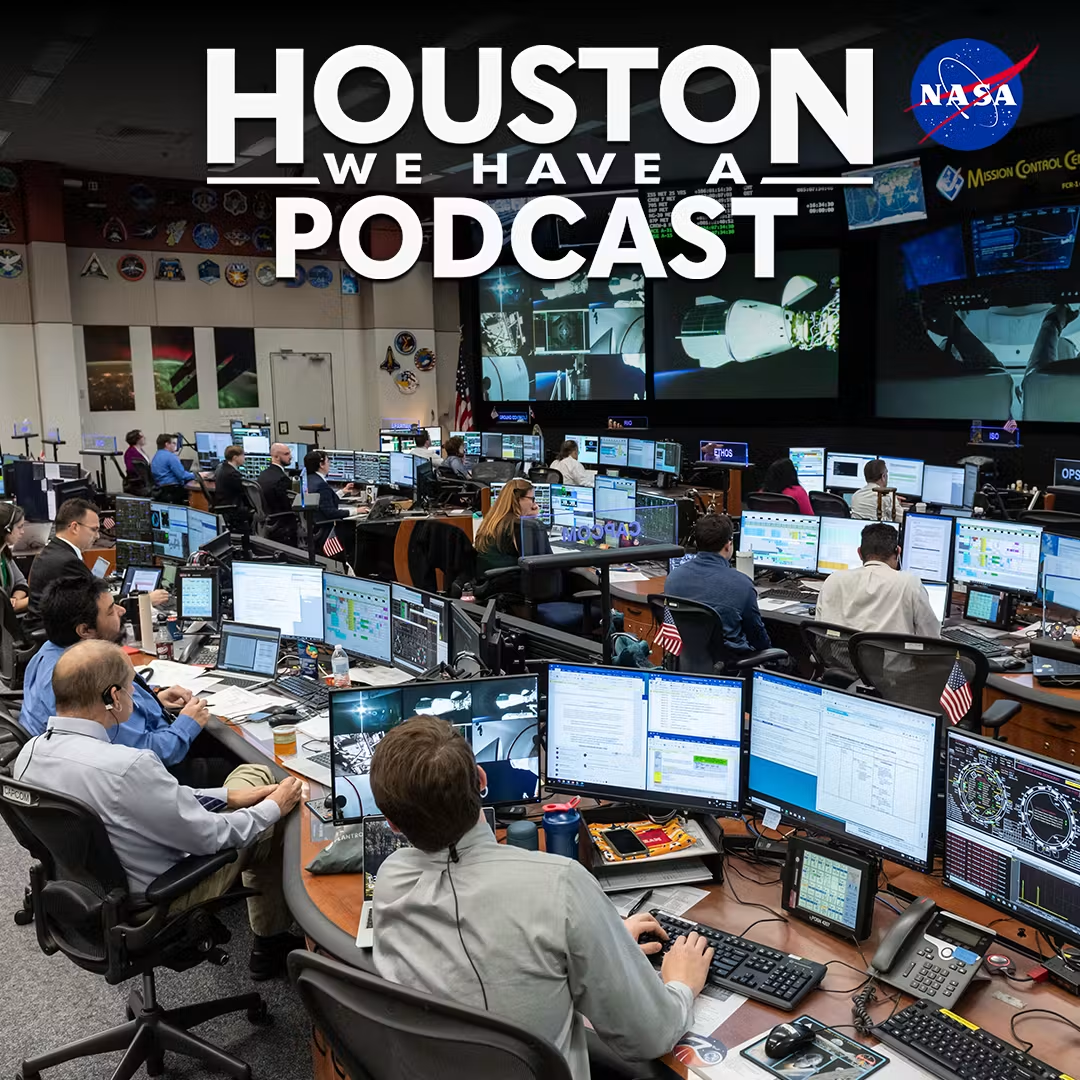
Four flight controllers from NASA’s Mission Control Center discuss how they create
astronauts’ daily schedules, track where all equipment is stored, and manage
electricity and internet on the space station. HWHAP 380
Writer Anne Lamott has garnered a cult following with her shockingly honest prose on love, death, faith, writing and more. This hour, her wisdom from a career that has spanned 20 books and 40 years.
Original broadcast date: April 5, 2024.
TED Radio Hour+ subscribers now get access to bonus episodes, with more ideas from TED speakers and a behind the scenes look with our producers. A Plus subscription also lets you listen to regular episodes (like this one!) without sponsors. Sign-up at plus.npr.org/ted.
See pcm.adswizz.com for information about our collection and use of personal data for sponsorship and to manage your podcast sponsorship preferences.
NPR Privacy Policy
At the heart of President Trump’s tariffs is this idea that we should not be buying more from other countries than they are buying from us. Basically, he wants to get rid of the trade deficit.
And in the wake of the tariff announcement we got a LOT of questions from listeners about what that means. Do trade deficits matter? Is it bad to have a trade deficit? Are we getting ripped off?
Today on the show – we tackle those questions.
This episode of Planet Money was produced by Emma Peaslee and edited by Marianne McCune and Kenny Malone. It was fact checked by Sarah McClure and engineered by Kwesi Lee. Alex Goldmark is our executive producer.
Find more Planet Money: Facebook / Instagram / TikTok / Our weekly Newsletter.
Listen free at these links: Apple Podcasts, Spotify, the NPR app or anywhere you get podcasts.
Help support Planet Money and hear our bonus episodes by subscribing to Planet Money+ in Apple Podcasts or at plus.npr.org/planetmoney.
Music: NPR Source Audio – “The Westerners,” “Liquid Courage,” and “Blazed and Emboldened”
See pcm.adswizz.com for information about our collection and use of personal data for sponsorship and to manage your podcast sponsorship preferences.
NPR Privacy Policy
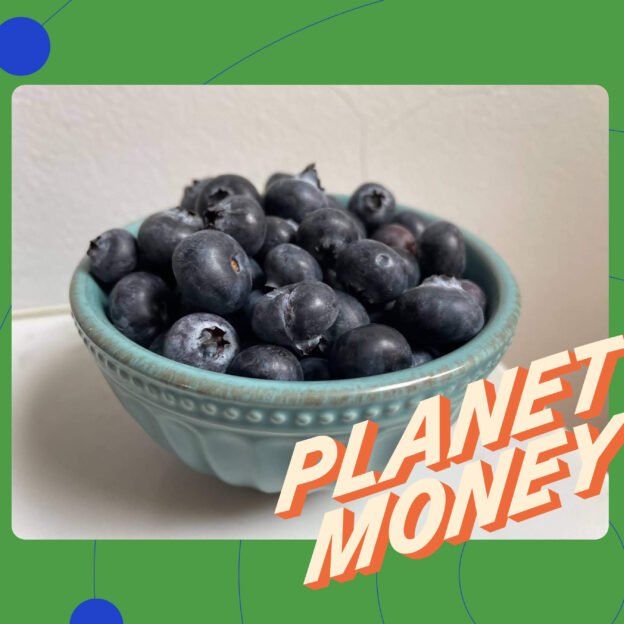
Ever wondered why you can buy fresh Peruvian blueberries in the dead of winter? The answer, surprisingly, is tied to cocaine. Today on the show, we look at how the War on Drugs led to an American trade policy and a foreign aid initiative that won us blueberries all year round.
And for more on trade and tariffs check out Planet Money’s homepage. We’ve got articles looking at how much the new tariffs will raise prices and shows on everything from diamonds to potatoes to why you bought your couch.
This episode was produced by Sylvie Douglis with help from Willa Rubin. It was edited by Marianne McCune and engineered by Jimmy Keeley. It was fact-checked by Sierra Juarez. Alex Goldmark is our executive producer.
Find more Planet Money: Facebook / Instagram / TikTok / Our weekly newsletter.
Listen free at these links: Apple Podcasts, Spotify, the NPR app or anywhere you get podcasts.
Help support Planet Money and hear our bonus episodes by subscribing to Planet Money+ in Apple Podcasts or at plus.npr.org/planetmoney.
Music: Source Audio: “Martini Shaker,” “You the Man,” and “Leisure Girls.”
See pcm.adswizz.com for information about our collection and use of personal data for sponsorship and to manage your podcast sponsorship preferences.
NPR Privacy Policy
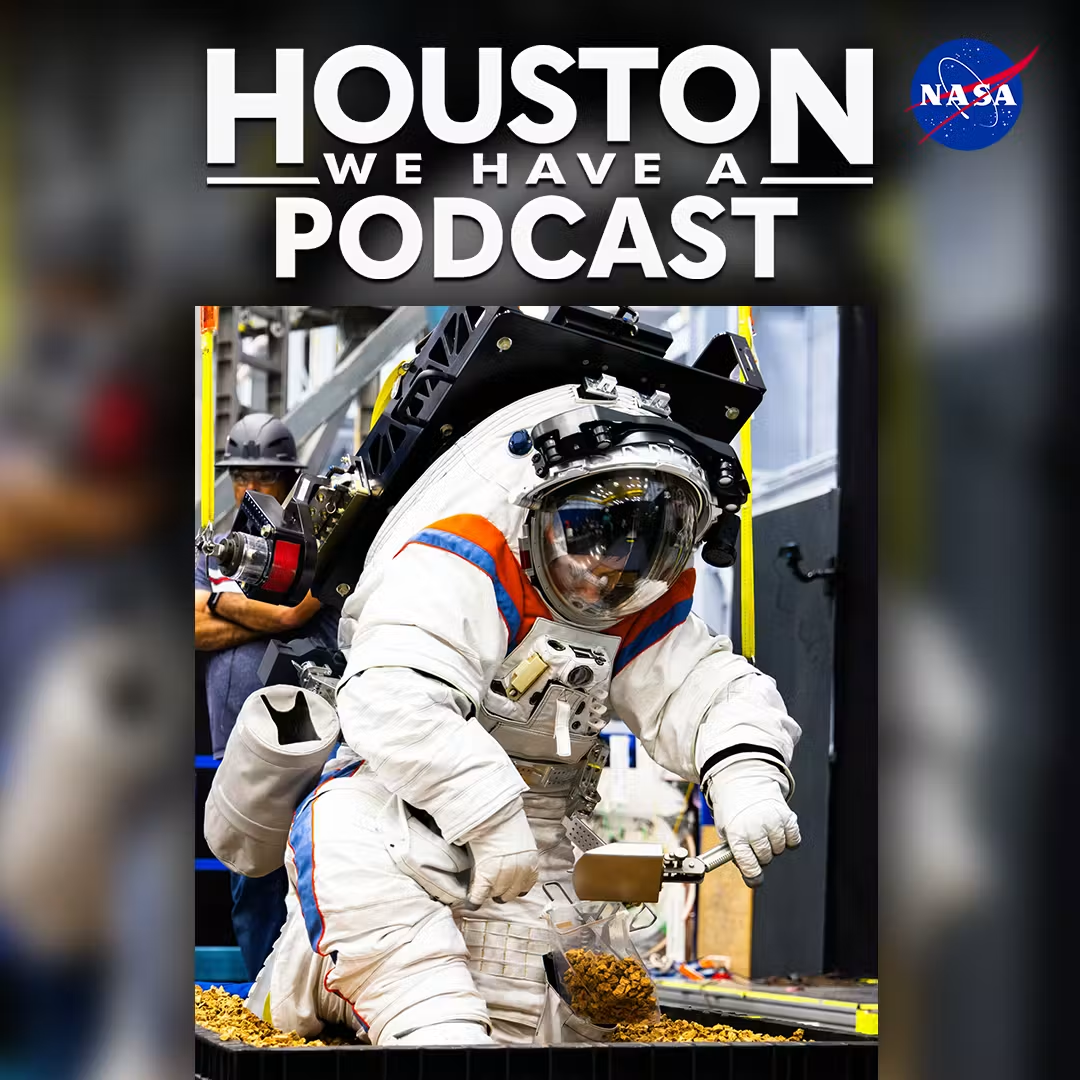
NASA and Axiom Space experts discuss the lunar spacesuit Axiom is developing that astronauts will wear when they step foot on the Moon again during the Artemis III mission. HWHAP 379
What’s the image you present to the world? And do you see yourself the same way? This hour, TED speakers add new dimensions to the idea of self perception. Guests include portrait photographer David Suh, social psychologist Dolly Chugh, journalist Elise Hu and science writer Anil Ananthaswamy.
TED Radio Hour+ subscribers now get access to bonus episodes, with more ideas from TED speakers and a behind the scenes look with our producers. A Plus subscription also lets you listen to regular episodes (like this one!) without sponsors. Sign-up at: plus.npr.org/ted
See pcm.adswizz.com for information about our collection and use of personal data for sponsorship and to manage your podcast sponsorship preferences.
NPR Privacy Policy
What are tariffs good for?
For years, mainstream economists have basically said: tariffs are not good. They are an import tax paid by consumers, they’ve said, and they discourage free trade, and we want more! Because free trade has broadly led to more global economic growth.
But global trade hasn’t been all positive for Americans, and in the worldview of President Trump’s administration, tariffs can be used to right some of those wrongs. And the U.S. has economic leverage. So if the U.S. wants to level the playing field, it should use that leverage, and use tariffs to accomplish its policy goals.
Today on the show: the case for tariffs. We talk to a lonely economist who’s been sounding the alarm for years that more and free-er trade isn’t always better. And we speak to economists in President Trump’s orbit who make the case for how tariffs can be a potent economic and political tool.
This episode was produced by Willa Rubin and edited by Meg Cramer. It was fact-checked by Sarah McClure and engineered by James Willetts. Alex Goldmark is our executive producer.
Find more Planet Money: Facebook / Instagram / TikTok / Our weekly Newsletter.
Listen free at these links: Apple Podcasts, Spotify, the NPR app or anywhere you get podcasts.
Help support Planet Money and hear our bonus episodes by subscribing to Planet Money+ in Apple Podcasts or at plus.npr.org/planetmoney.
Music: Universal Music Production: “Funky Reverie” and “With It;” Audio Network: “Slush Puppy Soul.”
See pcm.adswizz.com for information about our collection and use of personal data for sponsorship and to manage your podcast sponsorship preferences.
NPR Privacy Policy
Earth can sustain life for another 100 million years, but can we? This episode, we partner with Radiolab to take stock of the essential raw materials that enable us to live as we do here on Earth — everything from sand to copper to oil — and tally up how much we have left. Are we living with reckless abandon? And if so, is there even a way to stop? A simultaneously terrifying and delightful conversation about bird poop, daredevil drivers, and some staggering back-of-the-envelope math.
Radiolab’s original episode was produced and edited by Pat Walters and Soren Wheeler. Fact-checking by Natalie Middleton. The Planet Money edition of this episode was produced by Emma Peaslee and edited by Alex Goldmark and Jess Jiang. Special thanks to Jennifer Brandel.
Find more Planet Money: Facebook / Instagram / TikTok / Our weekly Newsletter.
Listen free at these links: Apple Podcasts, Spotify, the NPR app or anywhere you get podcasts.
Help support Planet Money and hear our bonus episodes by subscribing to Planet Money+ in Apple Podcasts or at plus.npr.org/planetmoney.
Music: NPR Source Audio – “Wir Rollen”
See pcm.adswizz.com for information about our collection and use of personal data for sponsorship and to manage your podcast sponsorship preferences.
NPR Privacy Policy