NASA astronaut Jonny Kim discusses his upcoming mission to the International Space Station, his experience in the military and medical field, and his journey to becoming an astronaut. HWHAP 378
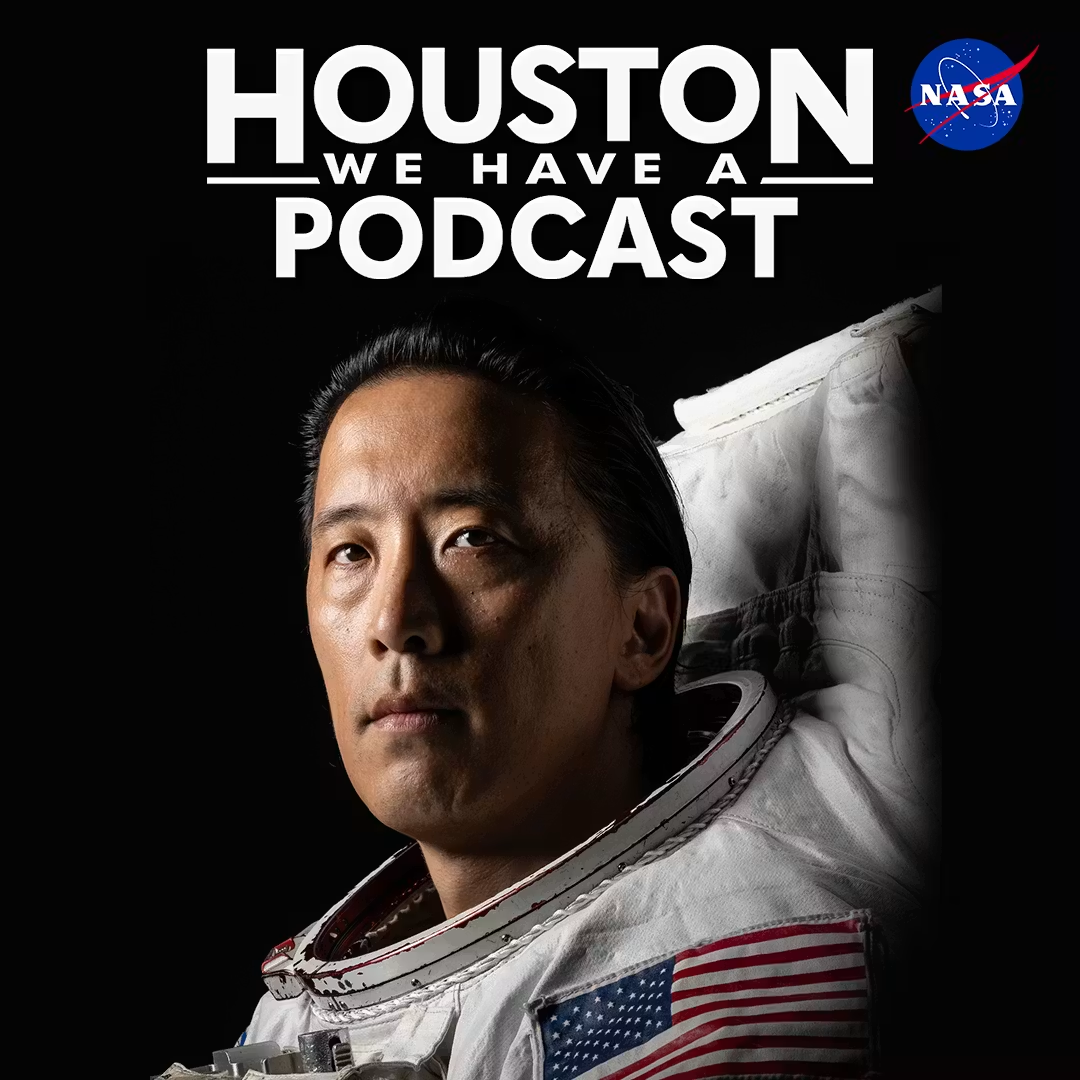
NASA astronaut Jonny Kim discusses his upcoming mission to the International Space Station, his experience in the military and medical field, and his journey to becoming an astronaut. HWHAP 378

Thirty years into the opioid crisis, we still struggle to find other options for pain relief. This hour, TED speakers explain new understandings of how the brain interprets pain and new ideas to cope. Guests include equestrian Kat Naud, physician and researcher Amy Baxter and opioid reform advocate Cammie Wolf Rice.
Original broadcast date: June 7, 2024.
TED Radio Hour+ subscribers now get access to bonus episodes, with more ideas from TED speakers and a behind the scenes look with our producers. A Plus subscription also lets you listen to regular episodes (like this one!) without sponsors. Sign-up at plus.npr.org/ted.
See pcm.adswizz.com for information about our collection and use of personal data for sponsorship and to manage your podcast sponsorship preferences.
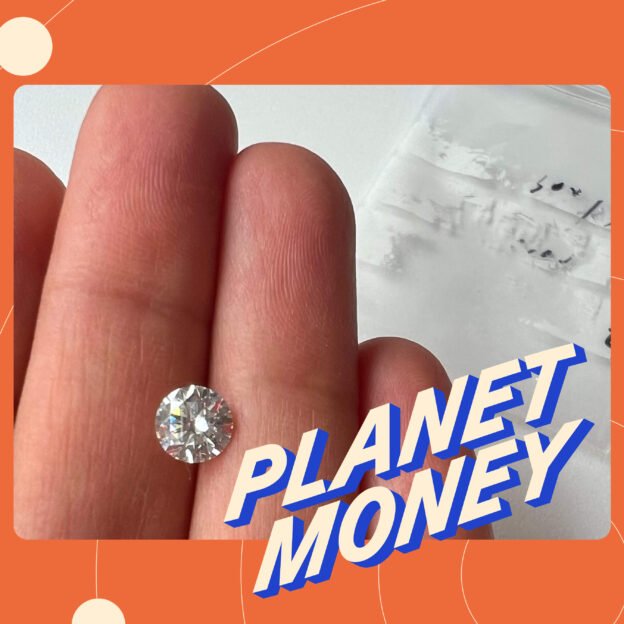
The deal seemed too good to be true. There’s a website that’s been selling top quality diamonds at bizarrely low prices. Prices we couldn’t find at any retail outlet. Prices so low, we could buy a diamond on a public radio budget. So we did. What we got in the mail was a tiny ziploc bag containing a scintillating mystery.
On today’s show: the Planet Money Diamond (or whatever this sparkly rock turns out to be). We get it analyzed by the experts at the Gemological Institute of America. We investigate where it came from. And, we dive into the economics of glittery stones. Was this a new kind of internet scam? Some supply chain anomaly? Or is something just really weird going on in the world of diamonds?
This episode was produced by James Sneed. It was edited by Keith Romer with help from Jess Jiang, fact-checked by Emma Peaslee, and engineered by Kwesi Lee. Alex Goldmark is our executive producer.
Find more Planet Money: Facebook / Instagram / TikTok / Our weekly Newsletter.
Listen free at these links: Apple Podcasts, Spotify, the NPR app or anywhere you get podcasts.
Help support Planet Money and hear our bonus episodes by subscribing to Planet Money+ in Apple Podcasts or at plus.npr.org/planetmoney.
See pcm.adswizz.com for information about our collection and use of personal data for sponsorship and to manage your podcast sponsorship preferences.

When you saw this episode pop up in your feed, you either jumped for joy and hit play immediately (in which case you’re not reading this), or you said “Huh. That’s a surprising episode.” Well, if you’re in group two, boy do we have a treat for you!
IPL is the fastest-growing, most dynamic and most disruptive force in the sports industry today… and this may come as a shock to many Americans, but it might just be on track to surpass the NFL as the world’s most valuable sports league. The IPL is currently valued at $16B, with a TV rights deal that’s higher in per-match dollars than the NBA and the English Premier League. And all this for a league that’s right now just 10 teams who collectively only play 74 total games per season… and oh yeah, the whole thing is only 17 years old! Tune in for an absolutely amazing story, filled with genius, drama (Rupert Murdoch! Disney! Bollywood!) and a perfect encapsulation of the rise of modern India.
Sponsors:
Links:
Carve Outs:
More Acquired!
© Copyright 2015-2026 ACQ, LLC
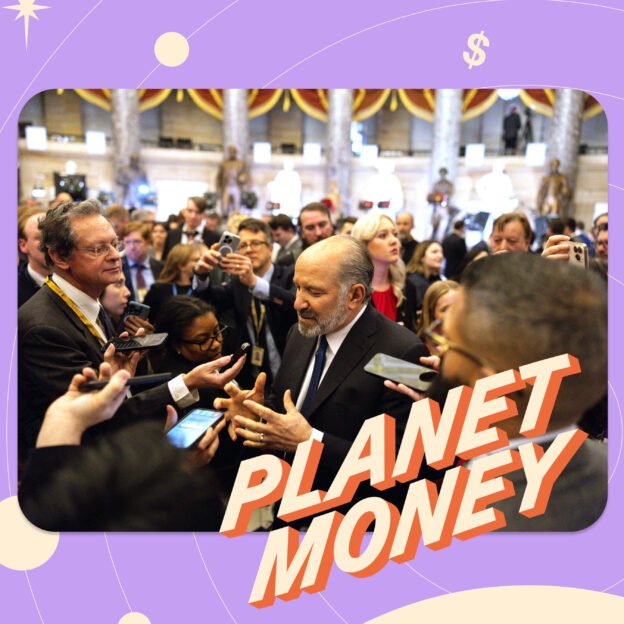
There’s one statistic that rules them all when it comes to keeping track of the economy: gross domestic product (GDP). It’s the sum of all final transactions, so all the goods or services bought and sold, in an economy. GDP tells us how hot the economy is running, or how cool — like if we might be heading into a recession. And it’s an important tool to compare countries, policies, and politicians. It’s used by the U.S. government to allocate money and by businesses to make decisions about the future.
For close to a century the building blocks of GDP have been the same. Now Commerce Secretary Howard Lutnick, has proposed a big change: taking government spending out of GDP.
On today’s show, can the U.S. change how it measures GDP? We talk with a former head of the BEA — about what he thinks they’re likely to do now, and about the pressure he faced while trying to compile GDP for nearly two decades. Turns out, people have always been trying to bend it to make whatever grand project they’re working on look better.
Find more Planet Money: Facebook / Instagram / TikTok / Our weekly Newsletter.
Listen free at these links: Apple Podcasts, Spotify, the NPR app or anywhere you get podcasts.
Help support Planet Money and hear our bonus episodes by subscribing to Planet Money+ in Apple Podcasts or at plus.npr.org/planetmoney.
See pcm.adswizz.com for information about our collection and use of personal data for sponsorship and to manage your podcast sponsorship preferences.
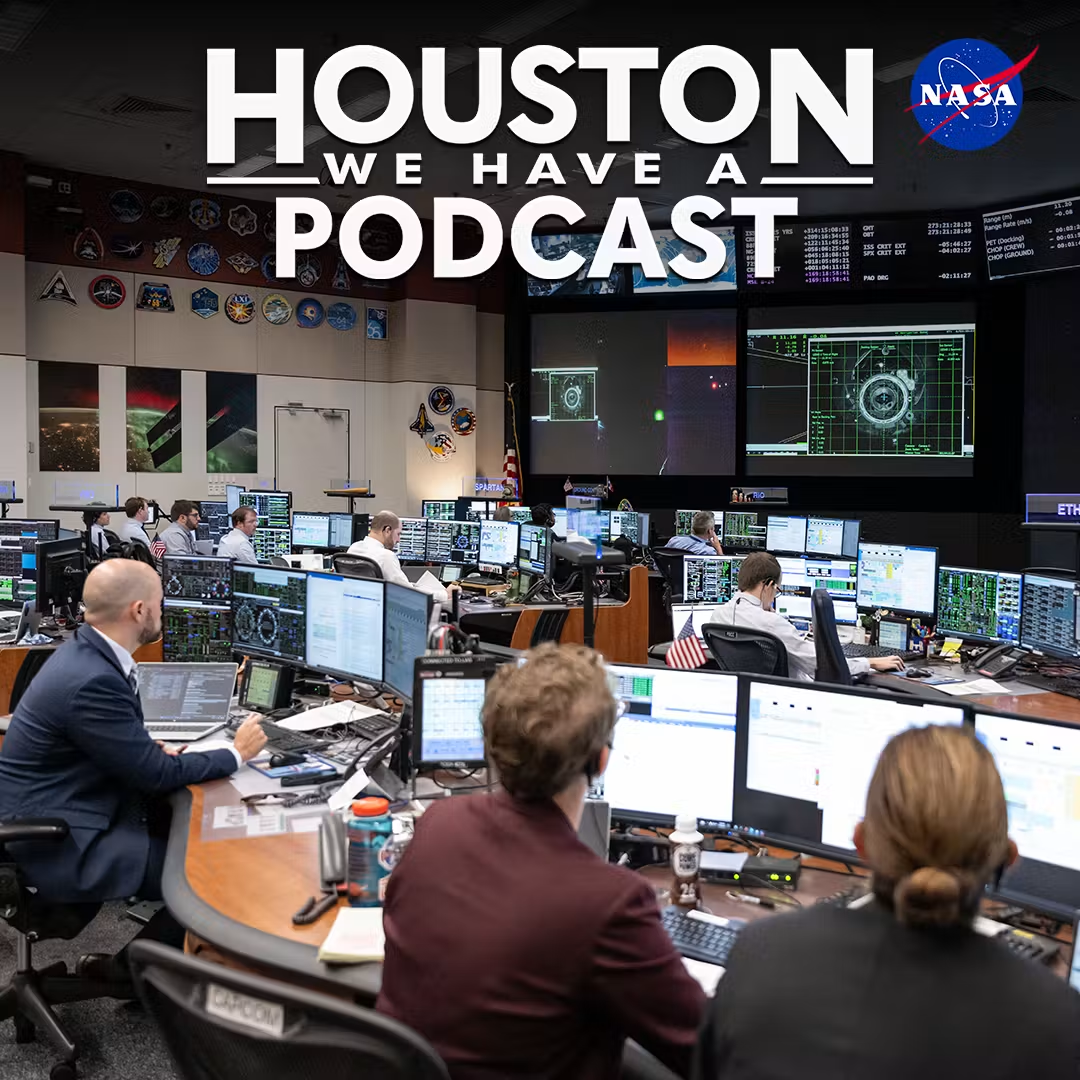
Three flight controllers from NASA’s Mission Control Center discuss their roles and how they
monitor and maintain a healthy crew aboard the International Space Station. HWHAP 377

Can otters be city dwellers? Are aliens real? Do we have to experience misery to understand happiness? On this episode, we investigate how strange bedfellows can lead to radical realizations. Guests include evolutionary biologist Philip Johns, astrophysicist Avi Loeb and author Laurel Braitman.
TED Radio Hour+ subscribers now get access to bonus episodes, with more ideas from TED speakers and a behind the scenes look with our producers. A Plus subscription also lets you listen to regular episodes (like this one!) without sponsors. Sign-up at: plus.npr.org/ted
See pcm.adswizz.com for information about our collection and use of personal data for sponsorship and to manage your podcast sponsorship preferences.

Note: This original episode ran in 2020.
Walter Schramm did everything right as an investor — at least according to the philosophy of Warren Buffett. So how come he lost a small fortune?
In this episode, we look into an obscure government program that slurps up forgotten money. We hunt for money we might have left vulnerable and we try to figure out how it got there in the first place so we can tell you where to find the money you’ve misplaced too.
Find more Planet Money: Facebook / Instagram / TikTok / Our weekly Newsletter.
Listen free at these links: Apple Podcasts, Spotify, the NPR app or anywhere you get podcasts.
Help support Planet Money and hear our bonus episodes by subscribing to Planet Money+ in Apple Podcasts or at plus.npr.org/planetmoney.
See pcm.adswizz.com for information about our collection and use of personal data for sponsorship and to manage your podcast sponsorship preferences.
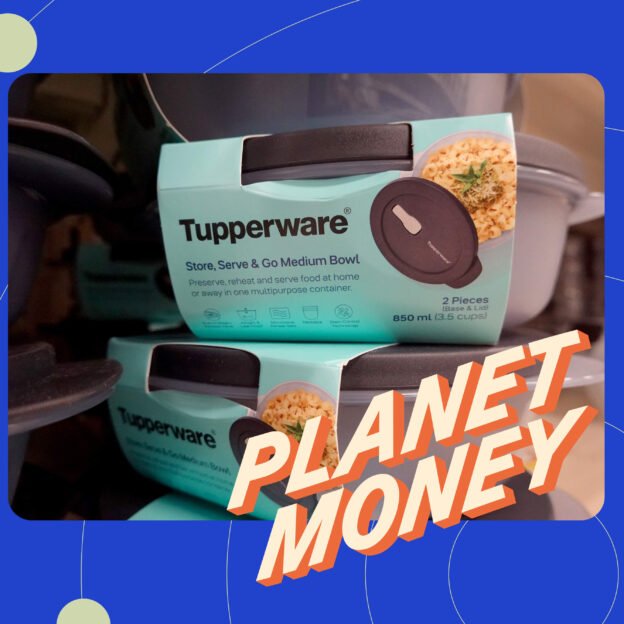
Tupperware is the stealthy star of our modern homes. These plastic storage containers are ubiquitous in our fridges, pantries, and closets. But the original product was revolutionary. So was its breakthrough sales strategy: the Tupperware Party.
Led in part by a charismatic housewife turned business innovator, Tupperware pioneered more than the party. Brownie Wise, and the company she came to represent, are behind a core sales technique that we might now recognize as influencer marketing.
The company was so successful at its peak, it reached almost cult status. But it didn’t last.
On our latest episode: Tupperware’s success and the company’s demise. And how its descendants — in products, and in sales strategies — lived on.
This episode is in partnership with Decoder Ring. For even more on the legacy of Tupperware, listen to their full episode.
Find more Planet Money: Facebook / Instagram / TikTok / Our weekly Newsletter.
Listen free at these links: Apple Podcasts, Spotify, the NPR app or anywhere you get podcasts.
Help support Planet Money and hear our bonus episodes by subscribing to Planet Money+ in Apple Podcasts or at plus.npr.org/planetmoney.
See pcm.adswizz.com for information about our collection and use of personal data for sponsorship and to manage your podcast sponsorship preferences.

NASA Johnson’s multimedia team leads discuss what it takes to capture and share the story of space exploration and how methods have evolved since the Apollo era. HWHAP 376