It’s easy to focus on the nuances that get lost in translation, but what about the insights that are found? This hour, TED speakers reveal what we gain by adapting and translating information. Guests include textual scientist Gregory Heyworth, economist Ralph Chami, microbiologist and nanotechnologist Fatima AlZahra’a Alatraktchi and polyglot Lýdia Machová. Original broadcast date: May 19, 2023
TED Radio Hour+ subscribers now get access to bonus episodes, with more ideas from TED speakers and a behind the scenes look with our producers. A Plus subscription also lets you listen to regular episodes (like this one!) without sponsors. Sign-up at: plus.npr.org/ted.
See pcm.adswizz.com for information about our collection and use of personal data for sponsorship and to manage your podcast sponsorship preferences.
NPR Privacy Policy
If you cut every single federal job President Donald Trump wants to cut, how much money would that save?
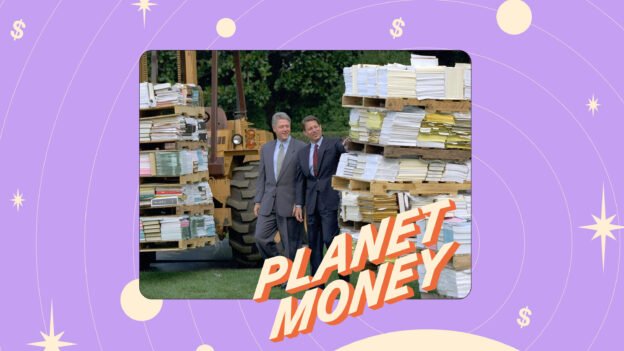
A president has tried to massively shrink the size of the federal government before. It was in the 90s, under a Democrat.
Today on the show: Where they found waste the last time we really looked. (Hint: it wasn’t jobs.) And why the pace of firings under Trump might start to slow down.
For more:
– Lessons for the Future of Government Reform
– Is government too big? Reflections on the size and composition of today’s federal government
– Creating a Government That Works Better and Costs Less
This episode of Planet Money was produced by Willa Rubin. It was edited by Jess Jiang and engineered by Jimmy Keeley. We had fact-checking help from Sierra Juarez. Alex Goldmark is our executive producer. Special thanks to Ben Zipperer.
Find more Planet Money: Facebook / Instagram / TikTok / Our weekly Newsletter.
Listen free at these links: Apple Podcasts, Spotify, the NPR app or anywhere you get podcasts.
Help support Planet Money and hear our bonus episodes by subscribing to Planet Money+ in Apple Podcasts or at plus.npr.org/planetmoney.
Music: Audio Network – “West Green Road,” “Raise Up,” and “Blue and Green.”
See pcm.adswizz.com for information about our collection and use of personal data for sponsorship and to manage your podcast sponsorship preferences.
NPR Privacy Policy
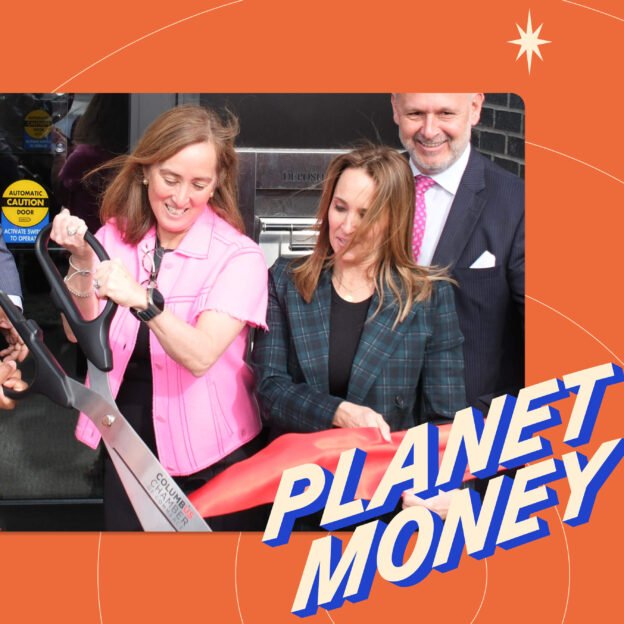
In some ways, starting a bank is a lot like starting any other business. Who will you hire? Where will you be located? What color will the couches be? But it’s also way more complicated. There are tons of regulations on banks–and you can understand why. Lots of new businesses fail. But if a bank fails, it can have ripple effects for the entire economy.
Today on the show, a baby bank is born. We go along for the ride from idea to ribbon cutting as a community bank gets off the ground.
This episode of Planet Money was produced by Emma Peaslee and edited by Katie Mingle. It was fact-checked by Sierra Juarez and engineered by Cena Loffredo. Alex Goldmark is our executive producer.
Find more Planet Money: Facebook / Instagram / TikTok / Our weekly Newsletter.
Listen free at these links: Apple Podcasts, Spotify, the NPR app or anywhere you get podcasts.
Help support Planet Money and hear our bonus episodes by subscribing to Planet Money+ in Apple Podcasts or at plus.npr.org/planetmoney.
Music: NPR Source Audio- “Numbers Game,” “Smoke and Mirrors,” and “Lets Start A Movement”
See pcm.adswizz.com for information about our collection and use of personal data for sponsorship and to manage your podcast sponsorship preferences.
NPR Privacy Policy
NASA’s SpaceX Crew-10 cadre each discuss their backgrounds and upcoming mission to the International Space Station. HWHAP 375
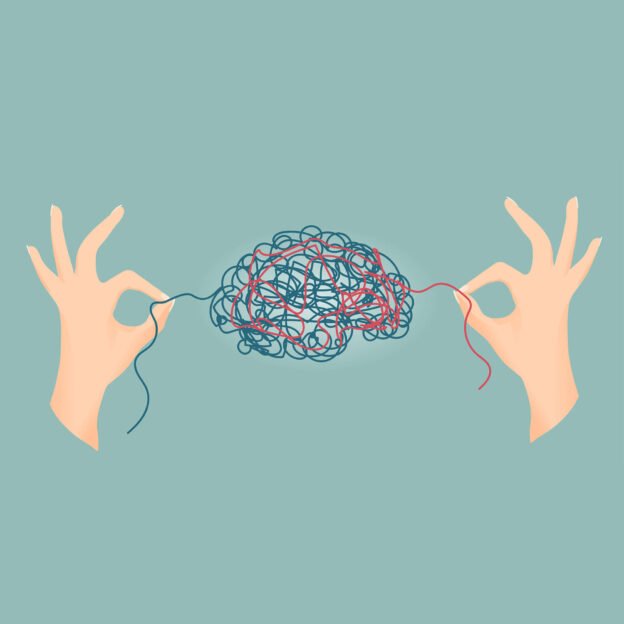
Emotions sometimes feel overwhelming and debilitating—but science-backed tools can help us wrangle them. This hour, neuroscientist Ethan Kross shares research from his Emotion and Self-Control Lab.
TED Radio Hour+ subscribers now get access to bonus episodes, with more ideas from TED speakers and a behind the scenes look with our producers. A Plus subscription also lets you listen to regular episodes (like this one!) without sponsors. Sign-up at: plus.npr.org/ted.
See pcm.adswizz.com for information about our collection and use of personal data for sponsorship and to manage your podcast sponsorship preferences.
NPR Privacy Policy
Memecoins are having a moment. Everyone from Hawk Tuah to President Donald Trump to animal influencers like Moo Deng the pygmy hippo have been turned into cryptocurrency. But what are the costs of all the hype?
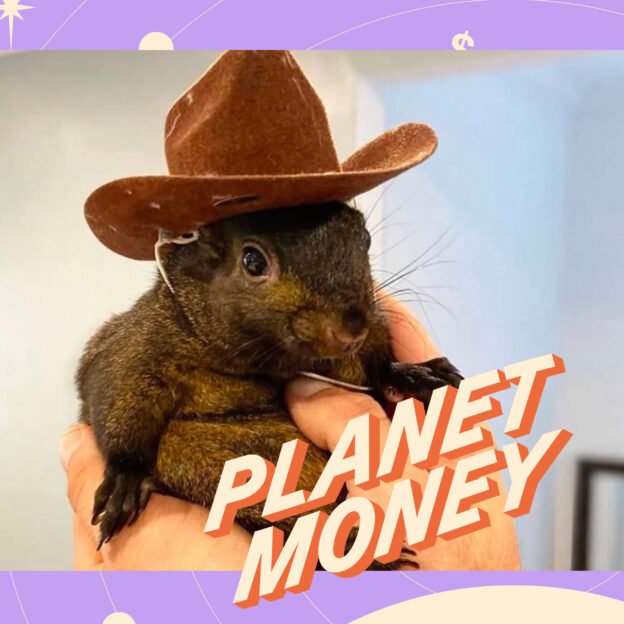
On today’s show — a modern parable. How an orphaned baby rodent became a world famous animal influencer, became a political martyr, and was finally transmuted into a billion dollar cryptocurrency. It’s a tale about how a chance encounter can lead to fame and fortune. But also how all that can spin wildly out of control in this brave, new – kind of terrifying – attention economy we’re all living in.
This episode was hosted by Alexi Horowitz-Ghazi and Nic Neves. This episode was produced by James Sneed. It was edited by Jess Jiang. Fact-checked by Sierra Juarez. And engineered by Jimmy Keeley. Alex Goldmark is Planet Money‘s executive producer.
Find more Planet Money: Facebook / Instagram / TikTok / Our weekly Newsletter.
Listen free at these links: Apple Podcasts, Spotify, the NPR app or anywhere you get podcasts.
Help support Planet Money and hear our bonus episodes by subscribing to Planet Money+ in Apple Podcasts or at plus.npr.org/planetmoney.
See pcm.adswizz.com for information about our collection and use of personal data for sponsorship and to manage your podcast sponsorship preferences.
NPR Privacy Policy
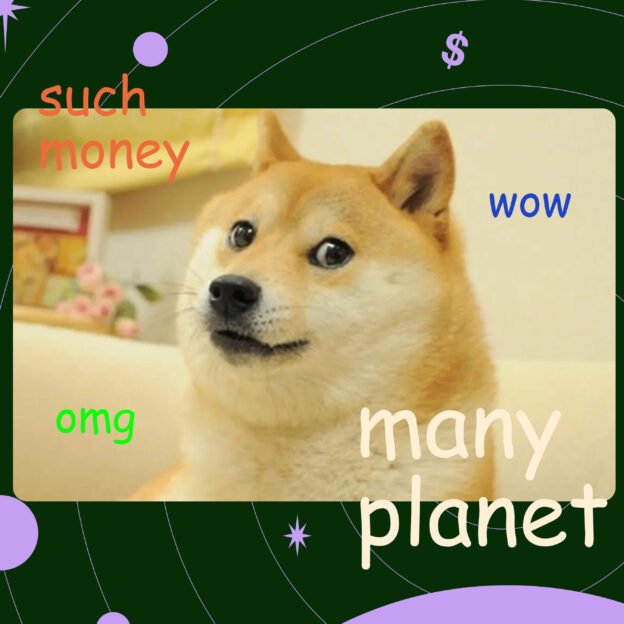
What do Moo Deng the pygmy hippo, social media sensation Hawk Tuah, and the President of the United States all have in common? They’ve all inspired highly valuable, highly volatile memecoins.
The humble memecoin began as a sort of satirical send up of speculation in the crypto world. But it was a joke that soon became very real. In the decade since the launch of Dogecoin in 2013, a series of cultural shifts and technological leaps enabled an explosion in the number of new memecoins. And this memecoin explosion has not only minted millionaires but also led to hordes of unlucky investors and untold scams.
On today’s show, what’s in a memecoin? How they went from a one-off joke to a speculative frenzy worth tens of billions of dollars? And who are the winners and losers in this brazen new market? wow such tease many listens
Find more Planet Money: Facebook / Instagram / TikTok / Our weekly Newsletter.
Listen free at these links: Apple Podcasts, Spotify, the NPR app or anywhere you get podcasts.
Help support Planet Money and hear our bonus episodes by subscribing to Planet Money+ in Apple Podcasts or at plus.npr.org/planetmoney.
See pcm.adswizz.com for information about our collection and use of personal data for sponsorship and to manage your podcast sponsorship preferences.
NPR Privacy Policy
Four communications experts from NASA’s Mission Control Center discuss their roles in connecting astronauts in space to partners, control centers, and the general public. HWHAP 374
“The birds and the bees” may be a euphemism for human reproduction, but procreation of actual winged animals is far wilder. This hour, TED speakers explore how birds, bees and bugs multiply. Guests include beekeeper Noah Wilson-Rich, biologist Carin Bondar, behavioral ecologist Marlene Zuk and comedian Julia Sweeney.
Original broadcast date: July 15, 2022.
TED Radio Hour+ subscribers now get access to bonus episodes, with more ideas from TED speakers and a behind the scenes look with our producers. A Plus subscription also lets you listen to regular episodes (like this one!) without sponsors. Sign-up at plus.npr.org/ted.
See pcm.adswizz.com for information about our collection and use of personal data for sponsorship and to manage your podcast sponsorship preferences.
NPR Privacy Policy
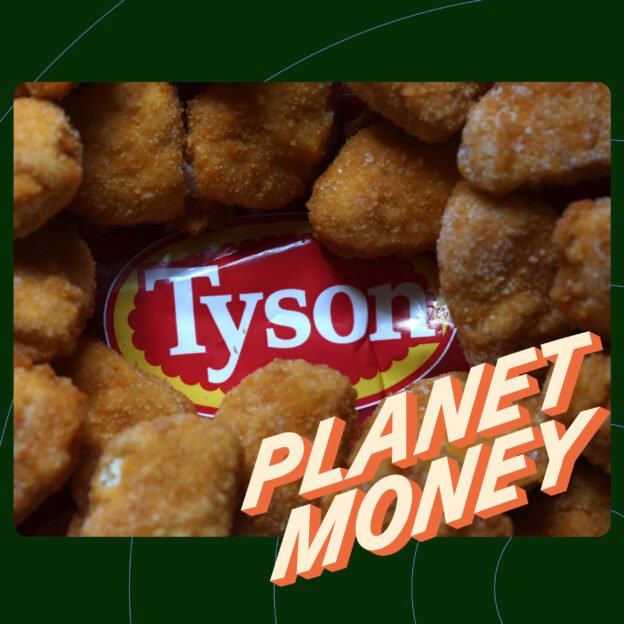
Last year, Tyson Foods shuttered a meat processing plant in Perry, Iowa. The company said it made the decision because the plant was old and inefficient. But the closure was devastating for the residents of Perry. The plant had employed some 1200 workers in a town with a population of only 8000.
At the same time, Tyson was also busy hiring workers elsewhere. It was working with a non-profit group that helps connect companies with asylum seekers and refugees looking for work. Tyson ultimately hired hundreds of new workers through this partnership.
Was this just a coincidence? Or were these two stories actually one story – a story about one of the country’s biggest meat processors forcing out American workers and replacing them with migrants? On today’s show we take a look at the controversy surrounding Tyson’s hiring moves and how things look from the perspective of the workers themselves.
Find more Planet Money: Facebook / Instagram / TikTok / Our weekly Newsletter.
Listen free at these links: Apple Podcasts, Spotify, the NPR app or anywhere you get podcasts.
Help support Planet Money and hear our bonus episodes by subscribing to Planet Money+ in Apple Podcasts or at plus.npr.org/planetmoney.
See pcm.adswizz.com for information about our collection and use of personal data for sponsorship and to manage your podcast sponsorship preferences.
NPR Privacy Policy