NASA’s Recovery Director discusses the splashdown and recovery process and how she helps to ensure safety, not just for the space travelers, but for all recovery team members. HWHAP 371.

NASA’s Recovery Director discusses the splashdown and recovery process and how she helps to ensure safety, not just for the space travelers, but for all recovery team members. HWHAP 371.

Finding “the one” can seem like life’s ultimate goal—but should it be? This hour, TED speakers expand the definition of life partnership, whether it’s with a friend, a spouse, a pet, or no one at all. Guest include journalist Rhaina Cohen, marriage and family therapist Stephanie Yates-Anyabwile, social psychologist Bella DePaulo and photographer Elias Weiss Friedman of “The Dogist.”
TED Radio Hour+ subscribers now get access to bonus episodes, with more ideas from TED speakers and a behind the scenes look with our producers. A Plus subscription also lets you listen to regular episodes (like this one!) without sponsors. Sign-up at plus.npr.org/ted.
See pcm.adswizz.com for information about our collection and use of personal data for sponsorship and to manage your podcast sponsorship preferences.

Americans spend more on scratch lottery tickets per year than on pizza. More than all Coca-Cola products. Yet the scratch ticket as a consumer item has only existed for fifty years. Not so long ago, the idea of an instant lottery, of gambling with a little sheet of paper, was strange. Scary, even.
So, how did scratch lotteries go from an idea that states wanted nothing to do with, to a commonplace item? It started in a small, super-liberal, once-puritanical state: Massachusetts. Adults there now spend – on average – $1,037 every year on lottery tickets – mostly scratch tickets. On today’s episode, a collaboration with GBH’s podcast Scratch & Win, we hear the story of… the scratch-off lottery ticket!
This episode was hosted by Ian Coss and Kenny Malone. Scratch & Win from GBH is produced by Isabel Hibbard and edited by Lacy Roberts. The executive producer is Devin Maverick Robins. Our version of the podcast was produced by James Sneed. It was edited by Alex Goldmark, engineered by Valentina Rodríguez Sánchez, and fact-checked by Sierra Juarez. Alex Goldmark is Planet Money‘s executive producer.
Help support Planet Money and hear our bonus episodes by subscribing to Planet Money+ in Apple Podcasts or at plus.npr.org/planetmoney.
See pcm.adswizz.com for information about our collection and use of personal data for sponsorship and to manage your podcast sponsorship preferences.

On Monday, the stock market went into a tizzy over a new AI model from Chinese company DeepSeek. It seemed to be just as powerful as many of its American competitors, but its makers claimed to have made it far more cheaply, using far less computing power than similar AI apps like ChatGPT, Claude, or Gemini. In one day, hundreds of billions of dollars were wiped off the valuations of companies related to AI.
This week, investors seemed suddenly to change their minds about what our AI future would look like and which companies will (or won’t) profit from it. Will we really need all those high-end computer chips, after all? What about power plants to provide electricity for all the energy-hungry AI data centers?
On today’s show – how DeepSeek might have changed the economics of artificial intelligence forever.
This episode was produced by Willa Rubin with an assist from James Sneed. It was edited by Keith Romer and engineered by Neil Tevault. Research help from Sierra Juarez. Alex Goldmark is Planet Money’s executive producer.
Help support Planet Money and hear our bonus episodes by subscribing to Planet Money+ in Apple Podcasts or at plus.npr.org/planetmoney.
See pcm.adswizz.com for information about our collection and use of personal data for sponsorship and to manage your podcast sponsorship preferences.
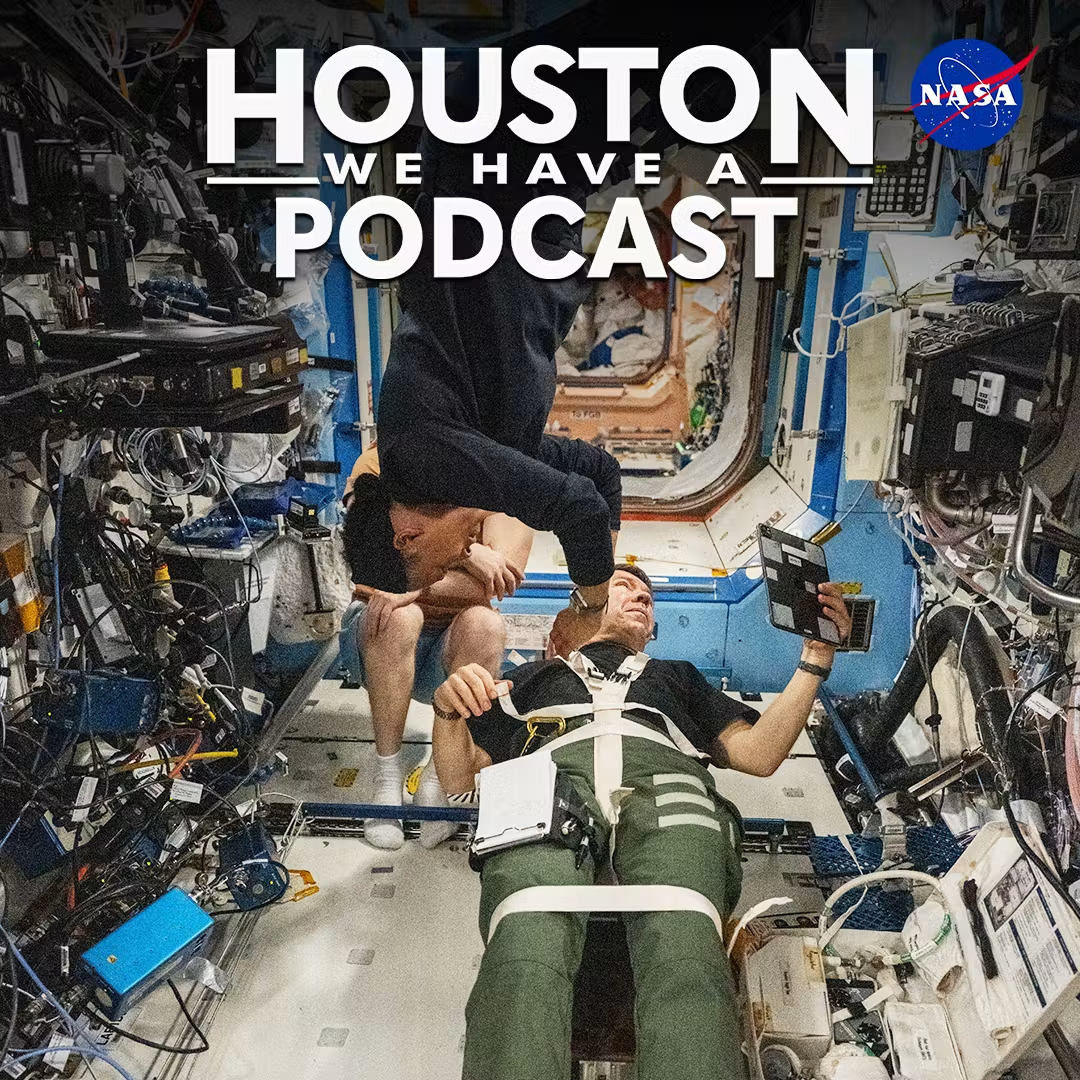
NASA’s Chief Health and Medical Officer discusses the impacts spaceflight has on the human body and how flight surgeons and other medical professionals on the ground help astronauts mitigate those impacts. HWHAP 370.

Original broadcast date: February 24, 2023. You don’t need to be big and boisterous to pack a punch. This hour, TED speakers explore the surprising strength of all things minuscule and fleeting. Guests include microbiologist Anne Madden, cognitive scientist Lera Boroditsky, former educator YeYoon Kim and former industrial engineer and Zen Buddhist monk Bart Weetjens.
TED Radio Hour+ subscribers now get access to bonus episodes, with more ideas from TED speakers and a behind the scenes look with our producers. A Plus subscription also lets you listen to regular episodes (like this one!) without sponsors. Sign-up at: plus.npr.org/ted
See pcm.adswizz.com for information about our collection and use of personal data for sponsorship and to manage your podcast sponsorship preferences.
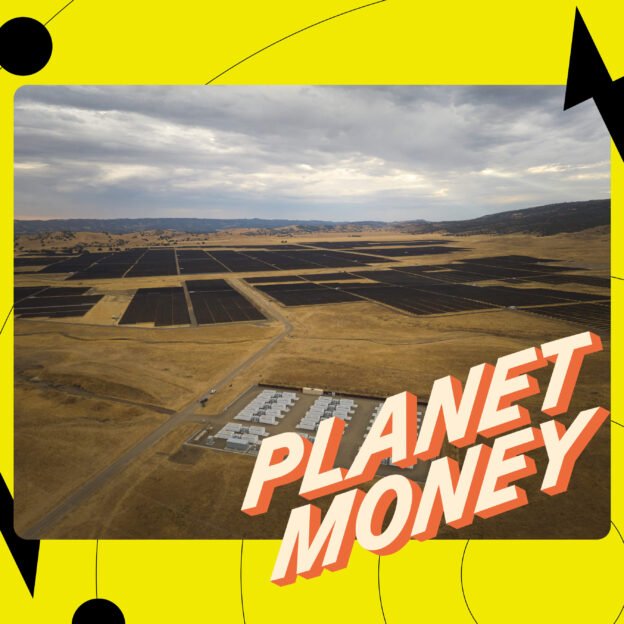
When it comes to solar and wind power, renewable energy has always had a caveat: it can only run when the wind blows or the sun shines.
The idea of a battery was floated around to make renewables available 24/7. For years, it existed as an expensive, little-used technology. Then in 2021, it took off.
In this episode, we explore how this new energy market works in two states: California and Texas.
In California, there is now enough grid-scale battery storage to power millions of homes — at least for a few hours — and it’s growing fast. What does this success mean for the grid, and how did the state support it?
Then, we visit Texas, whose approach is more free-market rodeo. The state has the second-most battery storage capacity in the U.S. And in Texas, their system was recently put to the test. So, can these large-scale batteries can help prevent blackouts?
These two stories come from our sister show The Indicator, which recently reported a series about the electric battery market.
Today’s show was hosted by Cooper Katz McKim, Darian Woods and Wailin Wong. The original Indicator episodes were produced by Cooper Katz McKim and Corey Bridges, and edited by Kate Concannon. It was fact-checked by Sierra Juarez and engineered by Jimmy Keeley and Neil Tevault. Alex Goldmark is Planet Money’s executive producer.
Help support Planet Money and hear our bonus episodes by subscribing to Planet Money+ in Apple Podcasts or at plus.npr.org/planetmoney.
See pcm.adswizz.com for information about our collection and use of personal data for sponsorship and to manage your podcast sponsorship preferences.

We flew to Taiwan to interview TSMC Founder Morris Chang in a rare English interview. In fact, the last long-form video interview we could find was 17 years ago at the Computer History Museum… conducted by the one-and-only Jensen Huang! This episode came about after asking ourselves a version of the Jeff Bezos “regret minimization” question: what conversations would we most regret not having if the chance passed Acquired by? Dr. Chang was number one on our list, and thanks to a little help from Jensen himself, we’re so happy to make it happen.
Dr. Chang shares the stories of a few crucial moments from TSMC’s history which have only been written about in his (currently Chinese-only) memoirs, including how TSMC won Apple’s iPhone and Mac chip business and a 2009 discrepancy with NVIDIA that almost jeopardized their relationship, and the lessons he took from them. We can’t think of a better way to kick off 2025. Please enjoy!
Sponsors:
Links:
Carve Outs:
More Acquired!
© Copyright 2015-2026 ACQ, LLC
Acquired hosts and guests may hold assets discussed in this episode. This podcast is not investment advice, and is intended for informational and entertainment purposes only. You should do your own research and make your own independent decisions when considering any financial transactions.
After being sworn into office, President Trump signed a whole host of executive actions and orders that affirm his campaign promise to crack down on immigration.
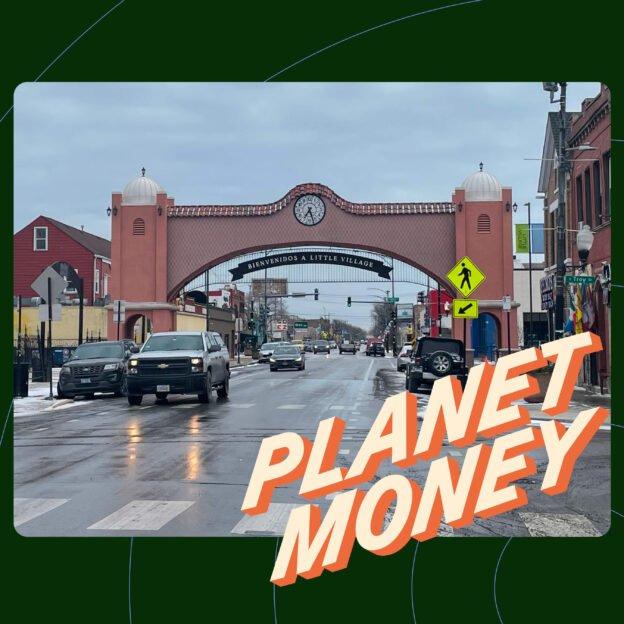
Trump’s border czar has said Chicago is at the top of the list of places to be targeted. The city is expecting immigration raids, detentions and deportations. In the Little Village neighborhood, where the majority of residents are Mexican or of Mexican descent, people are on edge as they await what’s next.
Beyond the many people personally affected, past research suggests everyone could feel the impacts of mass deportation.
On this episode of Planet Money we visit Little Village to see how the new administration is already having an impact. And then, we hear from an economist who looks to a recent chapter in mass deportation for insight into what the future could hold.
Today’s episode was hosted by Erika Beras and Amanda Aronczyk. It was produced by Willa Rubin with an assist from Emma Peaslee. It was edited by Kenny Malone, engineered by Cena Loffredo and fact-checked by Sierra Juarez. Alex Goldmark is our executive producer.
Help support Planet Money and hear our bonus episodes by subscribing to Planet Money+ in Apple Podcasts or at plus.npr.org/planetmoney.
See pcm.adswizz.com for information about our collection and use of personal data for sponsorship and to manage your podcast sponsorship preferences.
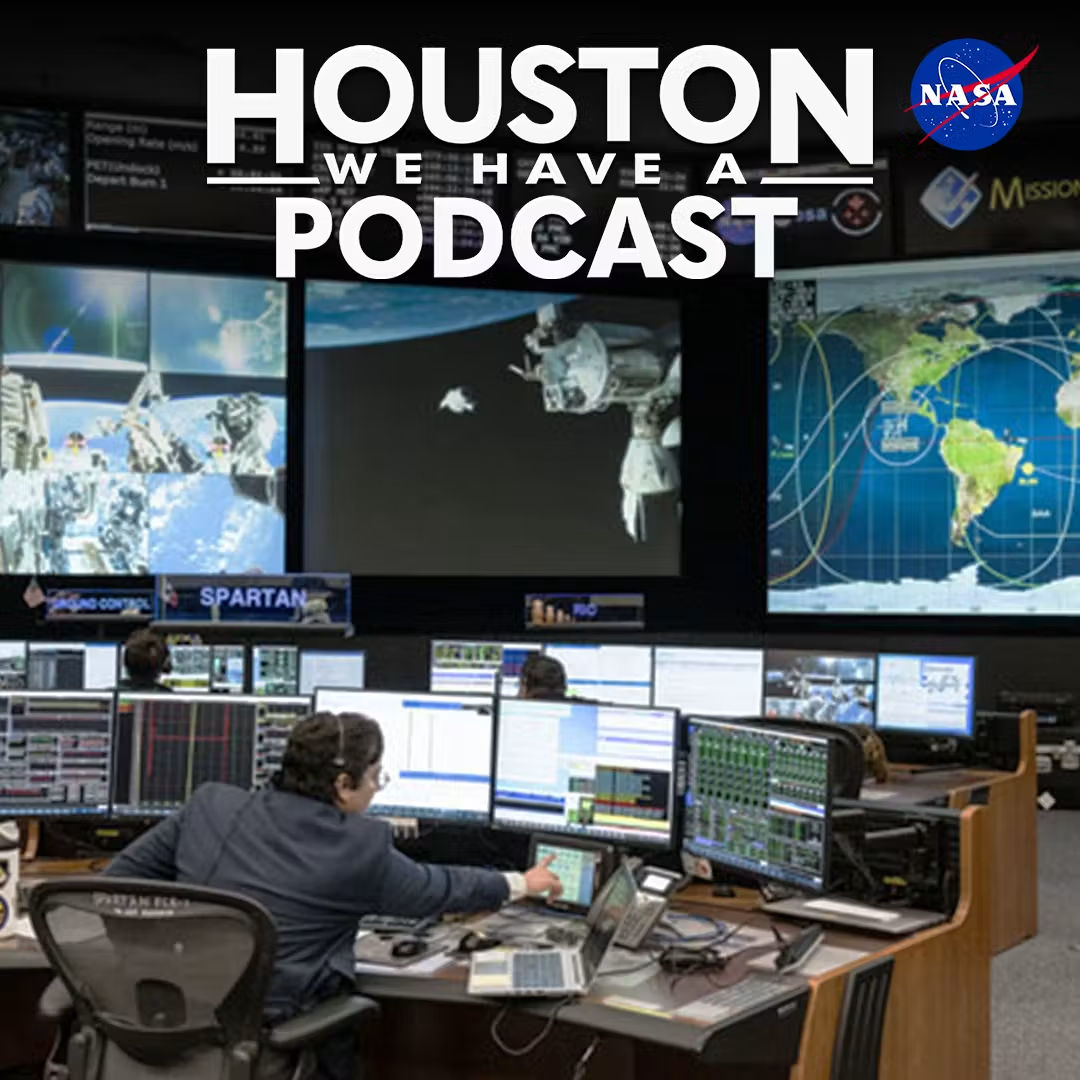
Three flight controllers from NASA’s Mission Control Center discuss how their consoles, ADCO, TOPO, and SPARTAN, keep the space station flying from the ground. Listen and find out what each console does! HWHAP 369.