From creating “synthetic” memories to reviving ruined monuments, tech no longer simply stores the past—it can enhance it. This hour, we explore new ways to capture, share and even recreate our past. Guests include technologist Pau Aleikum Garcia, cartoonist Amy Kurzweil and digital archaeologist Chance Coughenour.
TED Radio Hour+ subscribers now get access to bonus episodes, with more ideas from TED speakers and a behind the scenes look with our producers. A Plus subscription also lets you listen to regular episodes (like this one!) without sponsors. Sign-up at: plus.npr.org/ted
See pcm.adswizz.com for information about our collection and use of personal data for sponsorship and to manage your podcast sponsorship preferences.
NPR Privacy Policy
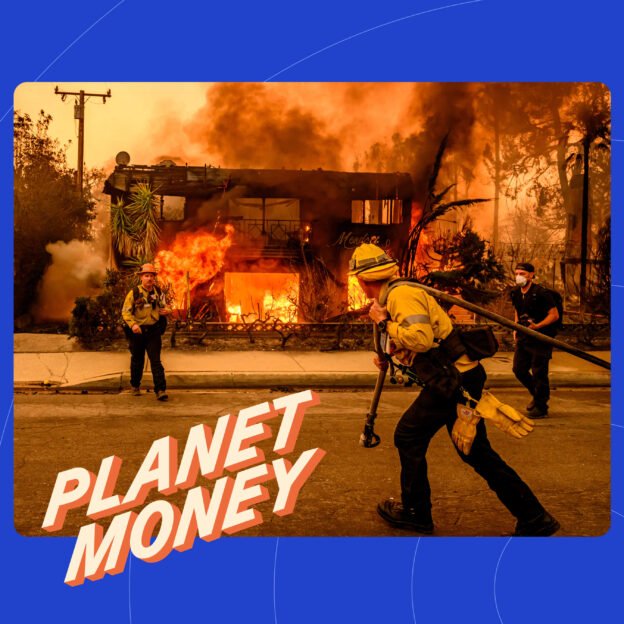
The fires in Los Angeles are almost out. Residents are starting to trickle back into their burned-out neighborhoods. When they get to their houses, they face a series of almost impossible questions: Do we want to live here amongst all this destruction? And if we do, how do we even start?
Today, we meet a father and son from Altadena who are confronting those choices. We pass through the National Guard checkpoints and enter the burn zone, where we see for ourselves all the challenges waiting for residents who want to rebuild. And we talk with an insurance adjuster about how the industry tries to value people’s homes — and all of their possessions — after they have been reduced to rubble.
For more on the California wildfires, check out our newsletter. We spoke with an economist who survived Oakland’s wildfires in 1991 and has big ideas for how to rescue California from its insurance doom spiral.
This episode of Planet Money was hosted by Sarah Gonzalez and Nick Fountain. It was produced by James Sneed and edited by Keith Romer. It was fact-checked by Sierra Juarez and engineered by Neil Tevault with help from Gilly Moon. Alex Goldmark is Planet Money’s executive producer.
Help support Planet Money and hear our bonus episodes by subscribing to Planet Money+ in Apple Podcasts or at plus.npr.org/planetmoney.
See pcm.adswizz.com for information about our collection and use of personal data for sponsorship and to manage your podcast sponsorship preferences.
NPR Privacy Policy
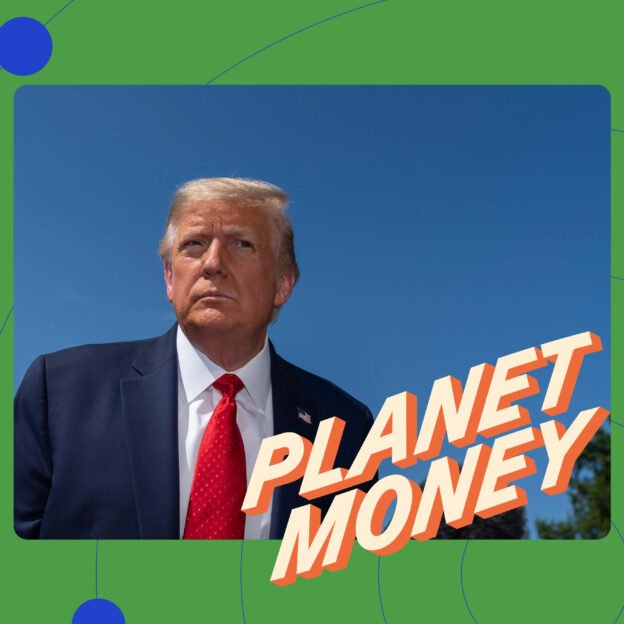
Donald Trump is just about to begin his second presidency. And it may be safe to say that every single person in America has at least one question about what’s to come in the next four years.
So, we thought we’d try to answer your questions — as best we can — about the economics of a second Trump term. Is now the time to shop for new tech? Can Trump actually bring down grocery and oil prices? And, does the president have the power to get rid of NPR?
This episode of Planet Money was hosted by Amanda Aronczyk. It was produced by Emma Peaslee and edited by Meg Cramer. It was engineered by Neil Tevault and fact-checked by Sierra Juarez. Alex Goldmark is Planet Money’s executive producer.
Help support Planet Money and hear our bonus episodes by subscribing to Planet Money+ in Apple Podcasts or at plus.npr.org/planetmoney.
See pcm.adswizz.com for information about our collection and use of personal data for sponsorship and to manage your podcast sponsorship preferences.
NPR Privacy Policy
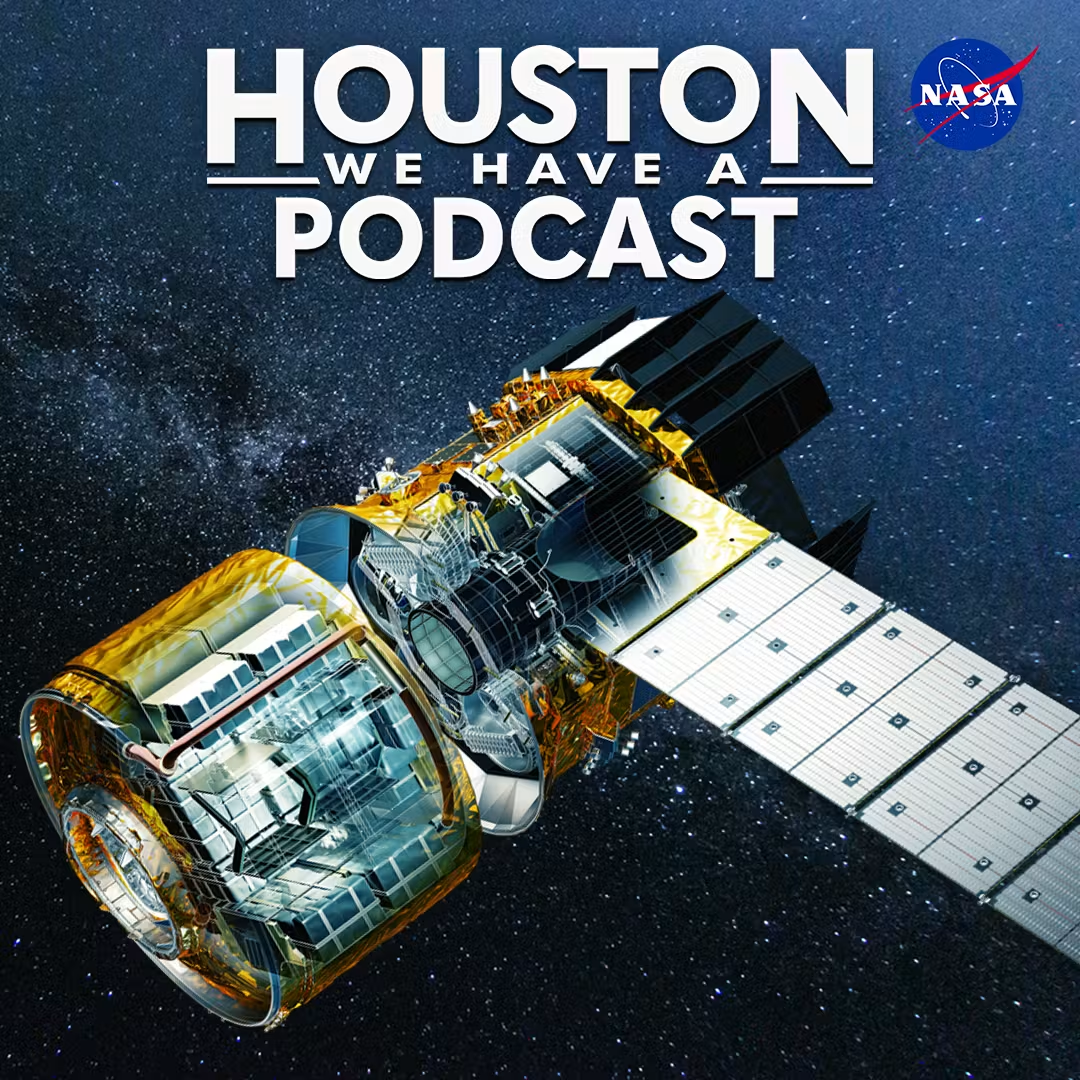
Japan Aerospace Exploration Agency (JAXA) astronaut Aki Hoshide discusses how JAXA is contributing to NASA’s lunar space station, Gateway, and future Artemis missions. HWHAP 368.
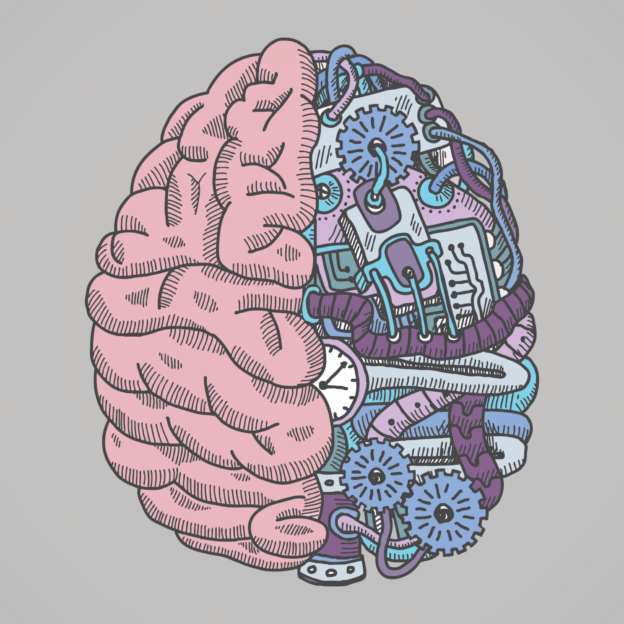
We’re entering a new era of brain monitoring and enhancement, but what are the ethical implications? This hour, TED speakers explore the potential and pitfalls of merging our minds with machines. Guests include legal scholar and AI ethicist Nita Farahany, neurotechnologist and entrepreneur Conor Russomanno, neuroscientist and physician Sergiu Pașca and sous chef Kate Faulkner.
Original broadcast date: January 26, 2024.
TED Radio Hour+ subscribers now get access to bonus episodes, with more ideas from TED speakers and a behind the scenes look with our producers. A Plus subscription also lets you listen to regular episodes (like this one!) without sponsors. Sign-up at plus.npr.org/ted.
See pcm.adswizz.com for information about our collection and use of personal data for sponsorship and to manage your podcast sponsorship preferences.
NPR Privacy Policy
(Note: This episode originally ran in 2018.)
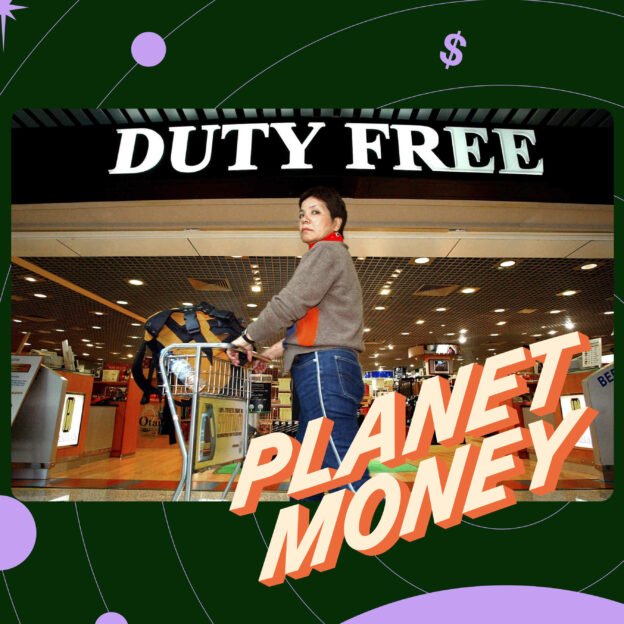
Is it really cheaper to shop at an airport Duty Free store? And why are so many of them alike?
In the 1940s, if you were flying from New York City to London or Paris you would find yourself making a pit stop for fuel on the western coast of Ireland. The Shannon airport at the time wasn’t much to look at, but the passengers arriving there were movie stars and celebrities, basically the super rich. And the people of Shannon realized pretty quickly that they needed to upgrade the local amenities for their wealthy clientele. They hired a man named Brendan O’Regan to make it happen. Being the quick-thinking entrepreneur that he was, O’Regan convinced the Irish government to create a tax loophole. And thus, duty free stores were born.
Today on the show, we follow the surprising origin of duty free, and try to answer the question: Are they really saving you any money?
Help support Planet Money and hear our bonus episodes by subscribing to Planet Money+ in Apple Podcasts or at plus.npr.org/planetmoney.
See pcm.adswizz.com for information about our collection and use of personal data for sponsorship and to manage your podcast sponsorship preferences.
NPR Privacy Policy
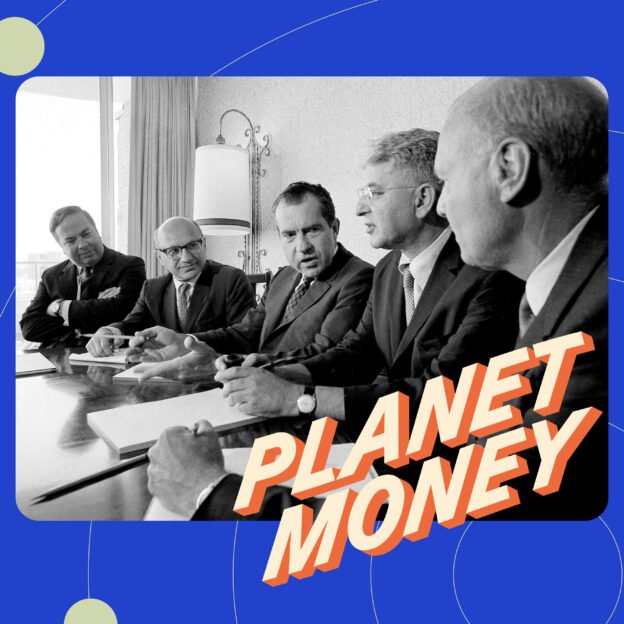
You know Watergate, but do you know Fedgate? The more subtle scandal with more monetary policy and, arguably, much higher stakes.
In today’s episode, we listen back through the Nixon White House tapes to search for evidence of an alarming chapter in American economic history: When the President of the United States seemingly flouted the norms of Fed Independence in order to pressure the Chair of the Federal Reserve Board into decisions that were economically bad in the long run but good for Nixon’s upcoming election.
The tale of Nixon and his Fed Chair, Arthur Burns, has become the cautionary tale about why Fed Independence matters. That choice may have started a decade of catastrophic inflation. And Burns’ story is now being invoked as President-elect Trump has explicitly said he’d like more control over the Federal Reserve.
Help support Planet Money and hear our bonus episodes by subscribing to Planet Money+ in Apple Podcasts or at plus.npr.org/planetmoney.
See pcm.adswizz.com for information about our collection and use of personal data for sponsorship and to manage your podcast sponsorship preferences.
NPR Privacy Policy
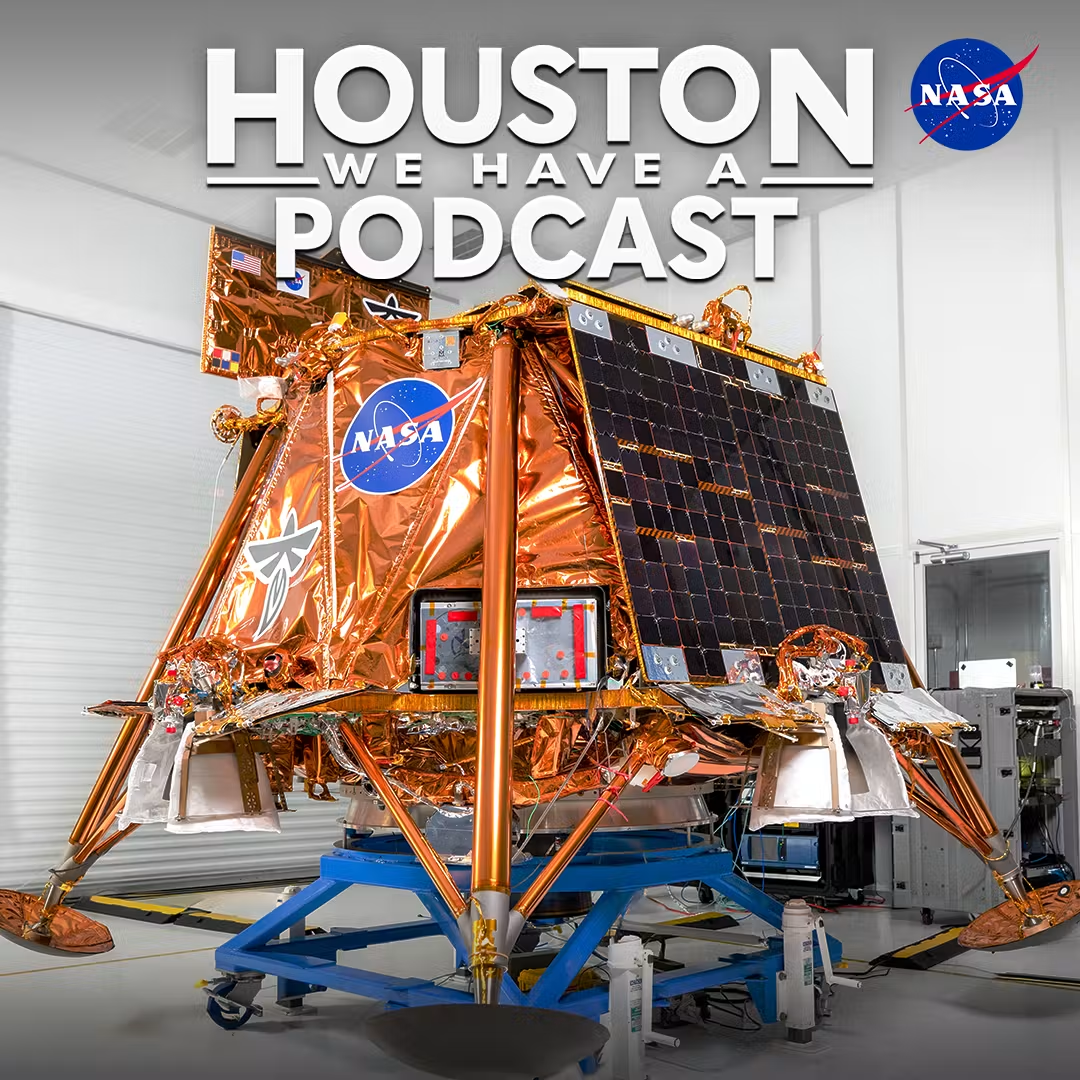
NASA and Firefly Aerospace experts discuss the upcoming launch of Blue Ghost Mission 1, its lunar lander, and the science and technology being delivered to the Moon’s surface. HWHAP 367.
In unpredictable times, how can we stay calm, grounded, and on course? This hour, TED speakers lead us through uncertainty. Guests include former medical clown Matt Wilson, psychologist Jamil Zaki, writer and filmmaker Hrund Gunnsteinsdóttir and human rights activist Yifat Susskind.
TED Radio Hour+ subscribers now get access to bonus episodes, with more ideas from TED speakers and a behind the scenes look with our producers. A Plus subscription also lets you listen to regular episodes (like this one!) without sponsors. Sign-up at: plus.npr.org/ted
See pcm.adswizz.com for information about our collection and use of personal data for sponsorship and to manage your podcast sponsorship preferences.
NPR Privacy Policy
The ZIP code is less like a cold, clinical, ordered list of numbers, and more like a weird overgrown number garden. It started as a way to organize mail after WWII, but now it pops up all over our daily lives. You type it into the machine at the gas station to verify your credit card. You might type it into a rental search website if you’re looking for a new apartment. Back in 2013, the ZIP Code contributed about 10 billion dollars a year to the US economy.
On today’s show, we turn our attention towards the humble ZIP code. Why was it born? How has it changed the mail? How has it changed the broader world? And… has it gone too far?
This episode was hosted by Sally Helm. It was produced by Sam Yellowhorse Kesler with help from Willa Rubin. It was edited by Meg Cramer, and fact-checked by Sierra Juarez. It was engineered by Valentina Rodríguez Sánchez. Alex Goldmark is Planet Money’s executive producer.
Help support Planet Money and hear our bonus episodes by subscribing to Planet Money+ in Apple Podcasts or at plus.npr.org/planetmoney.
See pcm.adswizz.com for information about our collection and use of personal data for sponsorship and to manage your podcast sponsorship preferences.
NPR Privacy Policy