Ira Glass has news to share about some things happening here at This American Life.
To sign up as a Life Partner, visit thisamericanlife.org/lifepartners.
Ira Glass has news to share about some things happening here at This American Life.
To sign up as a Life Partner, visit thisamericanlife.org/lifepartners.
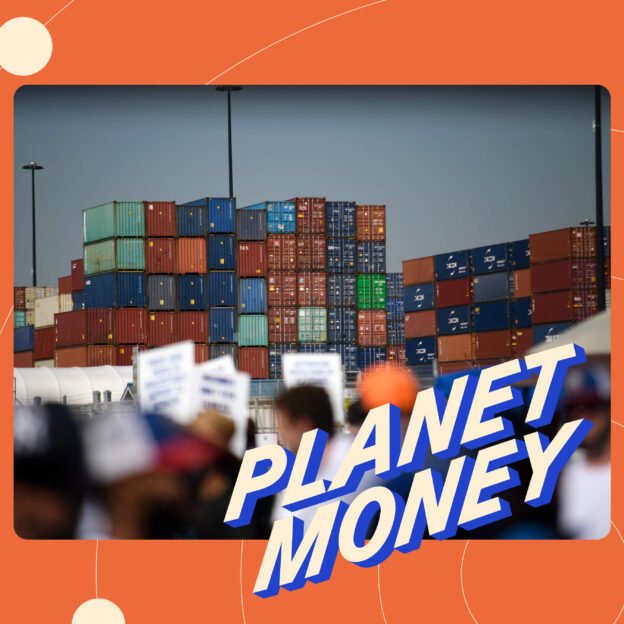
Even in our modern world with planes and jets and drones, the vast majority of goods are moved around the planet in cargo ships. Which means our ports are the backbone of our global economy. The longshoremans’ strike closed the eastern ports for only three days, but those three days raised a lot of questions.
Like – why is a discount furniture store the fourth largest importer on the East Coast? How come so many bananas come through Wilmington, Delaware? Why do we need live frogs delivered into the US six times a month? And… how do we even keep track of all of these imports? On today’s episode, we get into #PortFacts!
This episode was hosted by Kenny Malone and Amanda Aronczyk. It was produced by Sam Yellowhorse Kesler. It was edited by Audrey Quinn, and fact-checked by Dania Suleman. Engineering by Cena Loffredo and Kwesi Lee with an assist from Valentina Rodriguez Sanchez. Alex Goldmark is Planet Money’s executive producer.
Help support Planet Money and hear our bonus episodes by subscribing to Planet Money+ in Apple Podcasts or at plus.npr.org/planetmoney.
See pcm.adswizz.com for information about our collection and use of personal data for sponsorship and to manage your podcast sponsorship preferences.
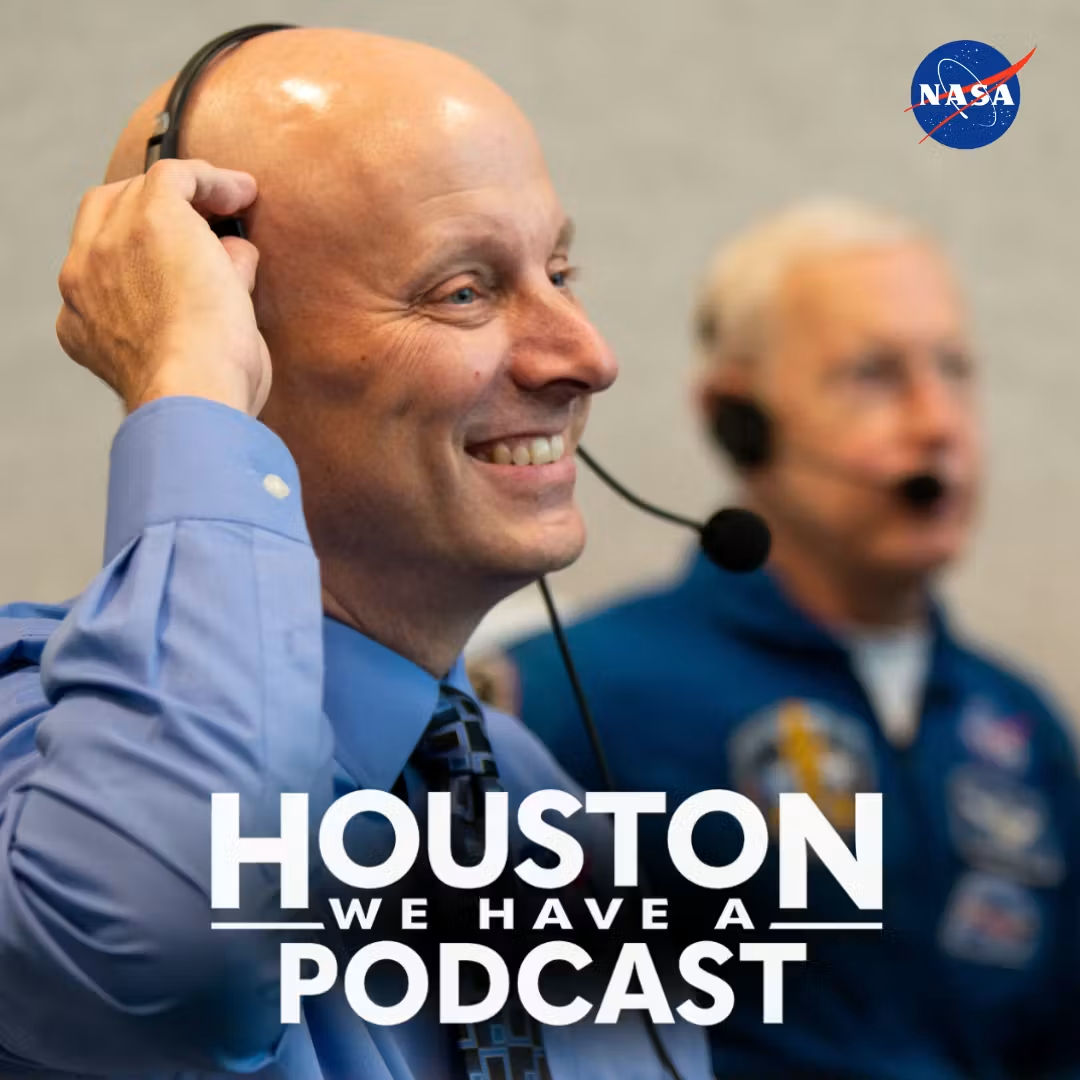
On episode 357, Deputy Center Director of NASA’s Johnson Space Center Steve Koerner reflects on his 32-year-long career at NASA and discusses the values of leadership.
Week in, week out, we work. But what can we do to not lose ourselves in the 9-to-5 grind? This hour, we question how long we work, why we valorize work, and what good leadership looks like. Guests include executive coach Anne Morriss, economist Juliet Schor, social psychologist Azim Shariff and political scientist Margaret Levi.
Original broadcast date: September 22, 2023
TED Radio Hour+ subscribers now get access to bonus episodes, with more ideas from TED speakers and a behind the scenes look with our producers. A Plus subscription also lets you listen to regular episodes (like this one!) without sponsors. Sign-up at: plus.npr.org/ted
See pcm.adswizz.com for information about our collection and use of personal data for sponsorship and to manage your podcast sponsorship preferences.
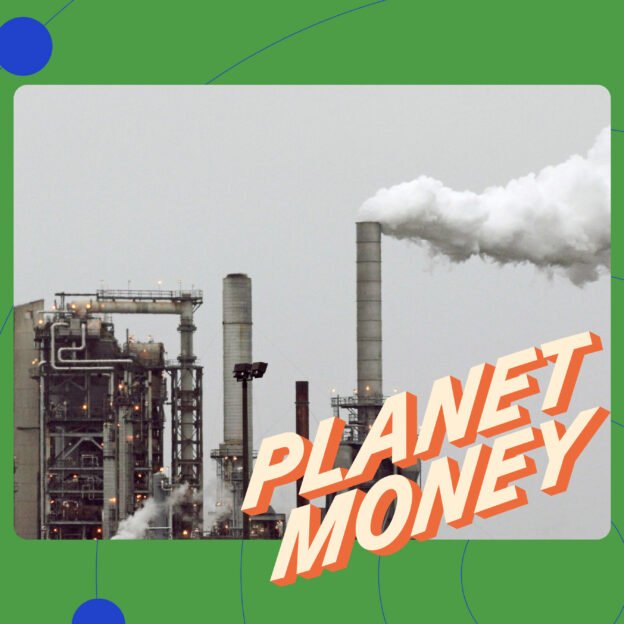
Recently, the state of Washington embarked on an ambitious new plan to combat climate change. Taking a page from economics textbooks, the state instituted a statewide “cap and trade” system for carbon emissions. The state establishes a cap on the total amount of carbon pollution it is willing to allow each year, and then gives away or auctions off carbon emission permits that add up to that total. Companies can then trade those permits on the open market.
Economists love cap and trade plans because they establish a limit on carbon emissions while letting the market find the most efficient way for decarbonization to occur. But cap and trade has had a hard time catching on, especially in the U.S.
The stakes are high for Washington’s new plan. If it succeeds, it could convince other states to implement their own versions, but if it fails, it might serve as a cautionary tale. On today’s show, we take a look at how Washington’s grand experiment with cap and trade is faring.
This episode was hosted by Keith Romer and Kenny Malone. It was produced by Emma Peaslee and edited by Emily Siner. It was fact checked by Sierra Juarez and engineered by Valentina Rodriguez Sanchez. Alex Goldmark is Planet Money‘s executive producer.
Help support Planet Money and hear our bonus episodes by subscribing to Planet Money+ in Apple Podcasts or at plus.npr.org/planetmoney.
See pcm.adswizz.com for information about our collection and use of personal data for sponsorship and to manage your podcast sponsorship preferences.

The lawyer commercial is almost an art form unto itself. Learned practitioners of the law doing whatever it takes to get your attention, from impressive dirt bike stunts to running around half naked. All so when you land in trouble, you don’t have to think hard to remember their name. Odds are you can name one or two right now.
This world of law ads did not exist fifty years ago. Then, lawyers were not allowed to advertise. Not by law, by the exclusive organization that decides who gets to be a lawyer: state bars.
On today’s episode, how that changed. How a couple of lawyers placing an ad in a local newspaper led to the inescapable world of law firm ads we know today. And, how the right to advertise got put on the same level as some of the most important, fundamental rights we have.
This episode was hosted by Nick Fountain and Jeff Guo. It was produced by Sam Yellowhorse Kesler with help from Sean Saldana. It was edited by Jess Jiang. It was fact-checked by Sierra Juarez and engineered by Valentina Rodríguez Sánchez. Alex Goldmark is Planet Money‘s executive producer.
Help support Planet Money and hear our bonus episodes by subscribing to Planet Money+ in Apple Podcasts or at plus.npr.org/planetmoney.
See pcm.adswizz.com for information about our collection and use of personal data for sponsorship and to manage your podcast sponsorship preferences.
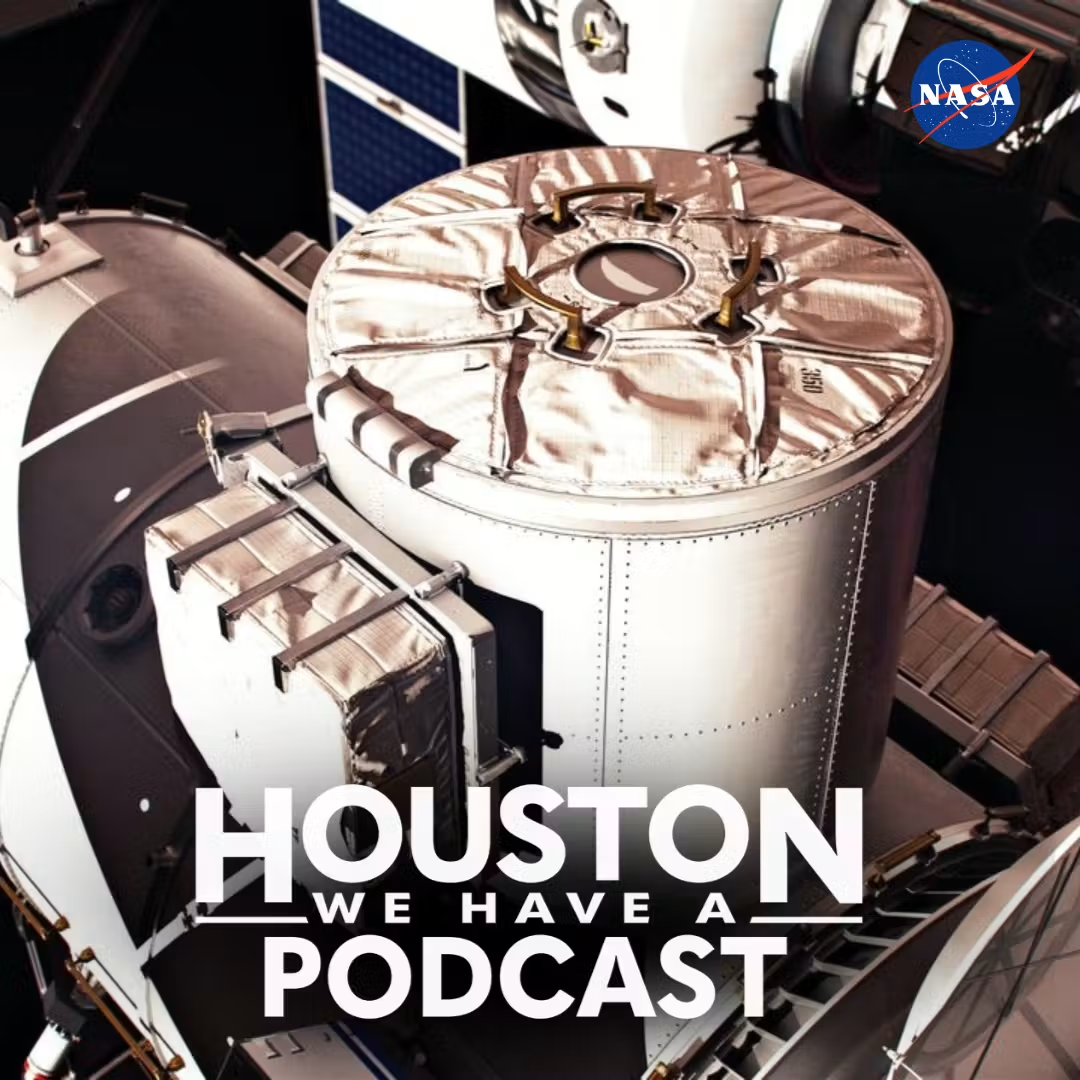
On episode 356, United Arab Emirates astronaut Hazzaa Ali Almansoori and NASA lunar architecture lead Shatel Bhakta discuss Gateway’s unique airlock, as well as how the lunar outpost will prepare us for a journey to Mars.
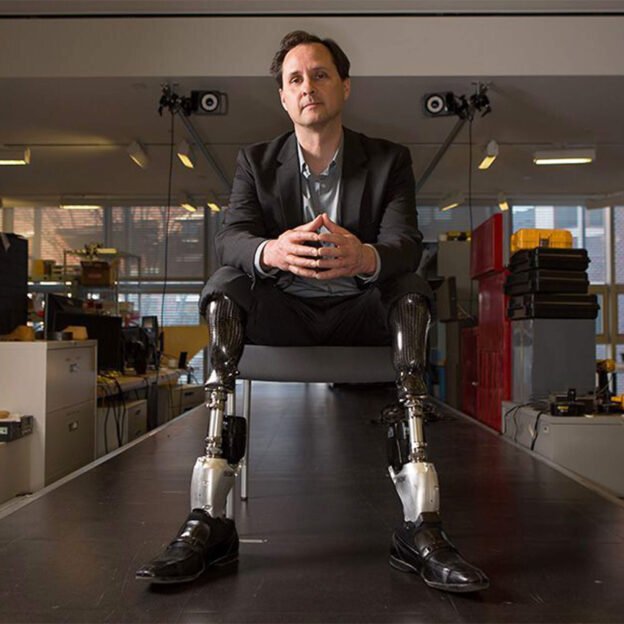
From robot helpers to smart body parts, the line between humans and machines is blurring. This hour, TED speakers design tech that enhances us without diminishing our humanity. Guests include robot choreographer and computer scientist Catie Cuan, engineer and biophysicist Hugh Herr, material scientist Anna Maria Coclite and biochemist Jennifer Doudna.
TED Radio Hour+ subscribers now get access to bonus episodes, with more ideas from TED speakers and a behind the scenes look with our producers. A Plus subscription also lets you listen to regular episodes (like this one!) without sponsors. Sign-up at: plus.npr.org/ted
See pcm.adswizz.com for information about our collection and use of personal data for sponsorship and to manage your podcast sponsorship preferences.
(Note: A version of this episode originally ran in 2016.)
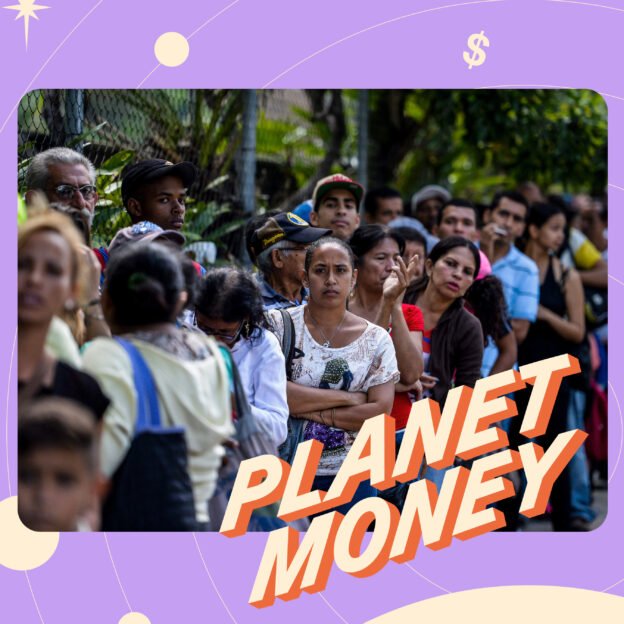
Back in 2016, things were pretty bad in Venezuela. Grocery stores didn’t have enough food. Hospitals didn’t have basic supplies, like gauze. Child mortality was spiking. Businesses were shuttering. It’s one of the epic economic collapses of our time. And it was totally avoidable.
Venezuela used to be a relatively rich country. It has just about all the economic advantages a country could ask for: Beautiful beaches and mountains ready for tourism, fertile land good for farming, an educated population, and oil, lots and lots of oil.
But during the boom years, the Venezuelan government made some choices that add up to an economic time bomb.
Today on the show, we have an economic horror story about a country that made all the wrong decisions with its oil money. It’s a window into the fundamental way that money works and how when you try to control it, you can lose everything.
Then, an update on Venezuela today. How it went from a downward spiral, to a tentative economic stabilization… amidst political upheaval.
This original episode is hosted by Robert Smith and Noel King. It was produced by Nick Fountain and Sally Helm. Today’s update was hosted by Amanda Aronczyk, produced by Sean Saldana, fact checked by Sierra Juarez, and engineered by Neal Rauch. Alex Goldmark is our Executive Producer.
Help support Planet Money and hear our bonus episodes by subscribing to Planet Money+ in Apple Podcasts or at plus.npr.org/planetmoney.
See pcm.adswizz.com for information about our collection and use of personal data for sponsorship and to manage your podcast sponsorship preferences.
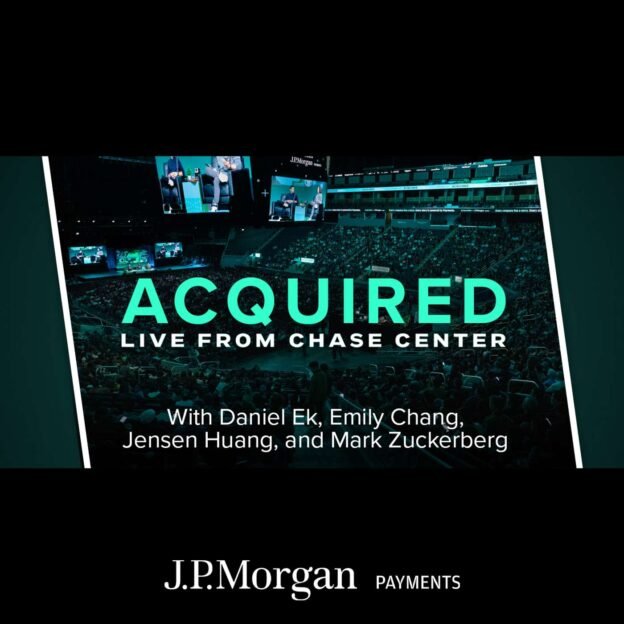
Here it is: the complete video of the most unbelievable night of Acquired’s nine-year life… our sold out live show at the Chase Center in San Francisco. We joked during the months (months!) of preparation leading up to this event that it was like planning a wedding for 6,000 Acquired fans, and the guest list included Jamie Dimon, Daniel Ek, Emily Chang, Jensen Huang and Mark Zuckerberg… no pressure! But thanks to our amazing partnership with J.P. Morgan Payments, together we were able to make something incredible. Tune in and enjoy the celebration!
Sponsors:
Links:
More Acquired!
© Copyright 2015-2026 ACQ, LLC
Photo Credit: Mark Zuckerberg by Jeff Sainlar / Meta
© Copyright 2024 ACQ, LLC
Note: Acquired hosts and guests may hold assets discussed in this episode. This podcast is not investment advice, and is intended for informational and entertainment purposes only. You should do your own research and make your own independent decisions when considering any financial transactions.