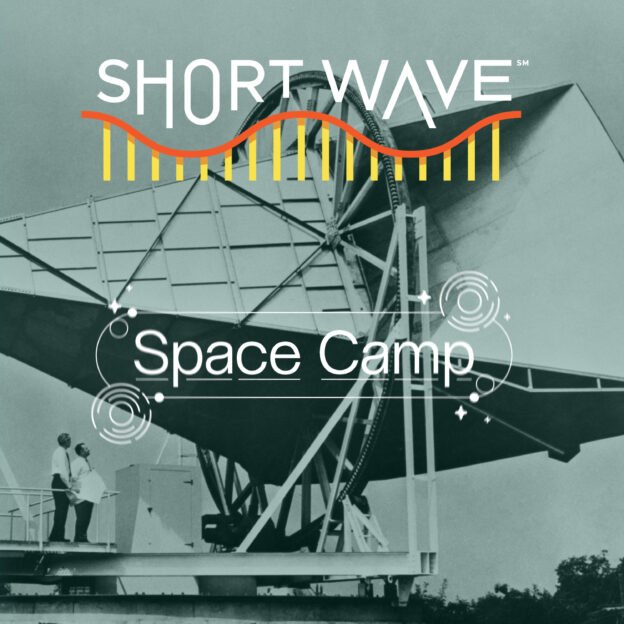
We’ve got a special episode for you today from our friends at Short Wave. We all think about the Big Bang as the moment when our universe—everything in existence—began right? Turns out, it’s not quite that simple. Today when scientists talk about the Big Bang, they mean a period of time, closer to an era rather than a specific moment.
Short Wave host Regina Barber talks with two cosmologists about the cosmic microwave background, its implications for the universe’s origins and the discovery that started it all.
This episode is part of Short Wave’s Space Camp series; you can find more here: https://www.npr.org/series/g-s1-3299/short-wave-space-camp
See pcm.adswizz.com for information about our collection and use of personal data for sponsorship and to manage your podcast sponsorship preferences.
NPR Privacy Policy
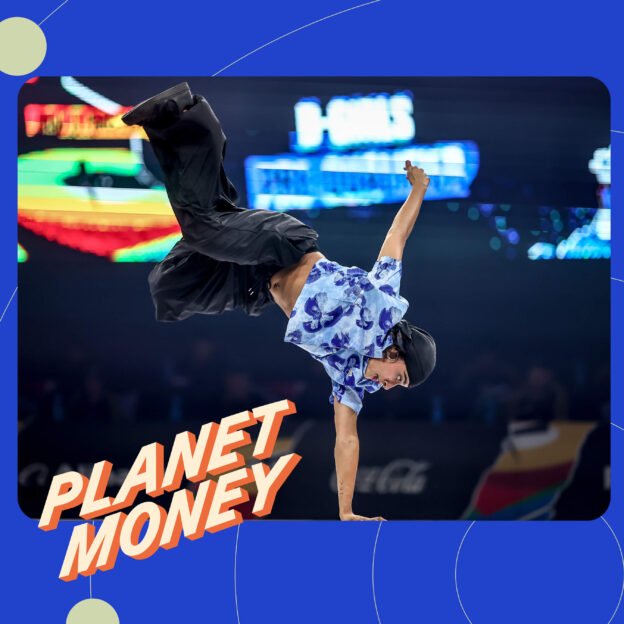
For some sports, picking the winner is simple: It’s the athlete who crosses the finish line first, or the side that scores the most goals. But for the new Olympic sport of breaking (if you want to be cool, don’t call it breakdancing), the criteria aren’t quite that straightforward. How do you judge an event whose core values are dopeness, freshness, and breaking the rules?
That was the challenge for Storm and Renegade, two legendary b-boys who set out to create a fair and objective scoring system for a dance they say is more of an art than a sport. Over the years, their journey to define the soul of breaking led them to meetings with Olympics bigwigs, debates over the science of dopeness, and a battle with a question many sports — from figure skating to gymnastics — have tried to answer: Can art and sport coexist?
This episode was hosted by Jeff Guo and Alexi Horowitz-Ghazi. It was produced by Emma Peaslee and edited by Jenny Lawton. It was fact checked by Sierra Juarez and engineered by Valentina Rodríguez Sánchez with help from James Willets and Cena Loffredo. Alex Goldmark is Planet Money‘s executive producer.
Help support Planet Money and hear our bonus episodes by subscribing to Planet Money+ in Apple Podcasts or at plus.npr.org/planetmoney.
See pcm.adswizz.com for information about our collection and use of personal data for sponsorship and to manage your podcast sponsorship preferences.
NPR Privacy Policy
Everything is not what it seems. We can easily disguise ourselves in both the digital and physical world. This hour, TED speakers explore the ways we go incognito… from espionage to virtual reality. Guests include former CIA Chief of Disguise Jonna Mendez, artist Holly Herndon, anthropologist Mary L. Gray and digital fashion designer Gala Marija Vrbanic. Original broadcast date: August 26, 2022.
TED Radio Hour+ subscribers now get access to bonus episodes, with more ideas from TED speakers and a behind the scenes look with our producers. A Plus subscription also lets you listen to regular episodes (like this one!) without sponsors. Sign-up at: plus.npr.org/ted
See pcm.adswizz.com for information about our collection and use of personal data for sponsorship and to manage your podcast sponsorship preferences.
NPR Privacy Policy
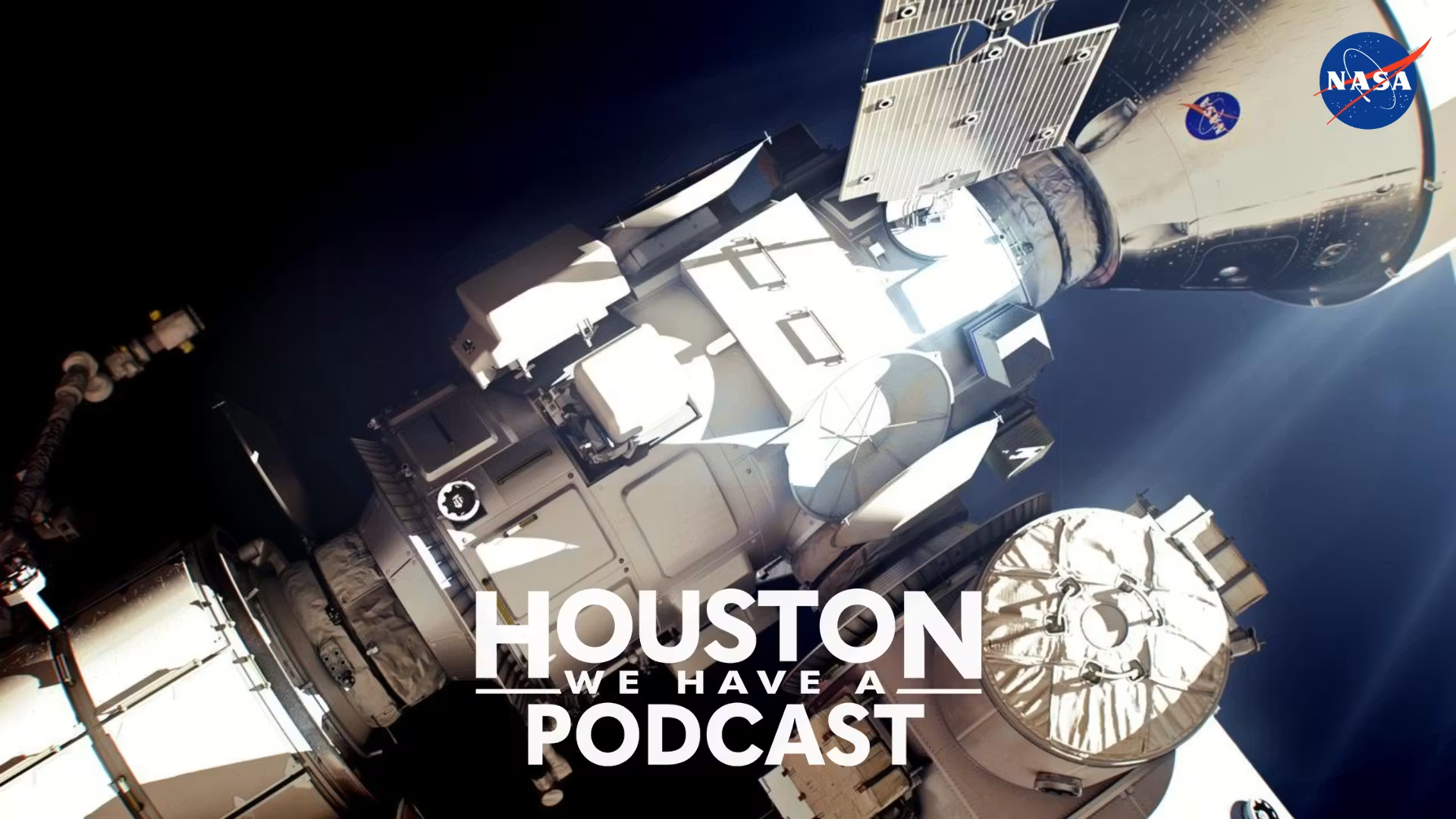
European Space Agency astronaut Luca Parmitano discusses the international elements of the Gateway lunar space station. HWHAP Episode 348.
Summer greetings from Acquired! Two items for this “mini-episode”:
- Tickets are now available for our live show at Chase Center in San Francisco, with special guests including Mark Zuckerberg (!). The show is Tuesday, September 10th, with doors opening at 5 PM for an hour of mingling with other listeners before the show starts at 6 PM. Huge thank you to the J.P. Morgan Payments team for being our incredible partner in making this happen. Tickets are almost gone so make sure you grab one ASAP — you don’t want to miss this night! https://acquired.fm/sf
- We also figured this is a good excuse to update you all on the state of Acquired — after an incredible first half of the year (including WSJ’s profile of the show) we are taking the rest of the summer off to recharge, parent our young children, and prepare for the big night in September. We hope you’re having a great summer, and we’ll see you live in the fall!
Carve Outs:
More Acquired:
© Copyright 2024 ACQ, LLC
Note: Acquired hosts and guests may hold assets discussed in this episode. This podcast is not investment advice, and is intended for informational and entertainment purposes only. You should do your own research and make your own independent decisions when considering any financial transactions.
Episodes each Wednesday through labor day. Find all the episodes from this season here. And past seasons here. And follow along on TikTok here for video Summer School.
Trade has come up in all of the episodes of Summer School so far. An early use of money was to make trade easier. Trade was responsible for the birth of companies and the stock market. And trade was the lifeblood of the early United States.
Today’s episode covers 250 years of trade history in three chapters. We start with one of the founding texts of economics, Wealth of Nations, in which Adam Smith argues a country’s true value is not measured in gold and silver, but by its people’s ability to buy things that enhance their standard of living. Then we’ll watch American politicians completely ignore that argument in favor of protecting domestic industries – until one congressman makes a passionate case for free trade as the means to world peace. And finally we’ll follow the trade debate up to the modern day, where the tides of American politics have turned toward regulation.
This series is hosted by Robert Smith and produced by Audrey Dilling. Our project manager is Devin Mellor. This episode was edited by Planet Money Executive Producer Alex Goldmark and fact-checked by Sofia Shchukina.
Subscribe to Planet Money+ for sponsor-free episode listening in Apple Podcasts or at plus.npr.org/planetmoney.
See pcm.adswizz.com for information about our collection and use of personal data for sponsorship and to manage your podcast sponsorship preferences.
NPR Privacy Policy
Maybe you got a boring slip of paper in the mail. Maybe you got a spammy-looking email promising you money. Surprise! You’re in a class action. If you’ve done any commerce in the last decade, there’s a good chance that someone somewhere was suing on your behalf and you have real money coming your way… if you know what to do.
Class action settlements are on the rise. And, on today’s show, we’re helping decipher the class action from the perspective of the average class member. How do class actions work? Why are these notices sometimes undecipherable? And, what do you stand to gain (or lose) by responding?
This episode was hosted by Kenny Malone and Nick Fountain. It was produced by James Sneed with help from Sam Yellowhorse Kesler. It was edited by Jess Jiang and fact-checked by Sierra Juarez. Engineering by Cena Loffredo. Alex Goldmark is Planet Money‘s executive producer.
Help support Planet Money and hear our bonus episodes by subscribing to Planet Money+ in Apple Podcasts or at plus.npr.org/planetmoney.
See pcm.adswizz.com for information about our collection and use of personal data for sponsorship and to manage your podcast sponsorship preferences.
NPR Privacy Policy
Early adopters are flocking to AI bots for therapy, friendship, even love. How will these relationships impact us? MIT sociologist Sherry Turkle delves into her new research on “artificial intimacy.” Later in the episode, host Manoush Zomorodi speaks with Somnium Space founder Artur Sychov.
Note: A few weeks ago, we talked to Sherry Turkle in a Body Electric episode called “If a bot relationship FEELS real, should we care that it’s not?” Today’s episode is an even deeper dive into that conversation with Sherry. We hope you enjoy it!
TED Radio Hour+ subscribers now get access to bonus episodes, with more ideas from TED speakers and a behind the scenes look with our producers. A Plus subscription also lets you listen to regular episodes (like this one!) without sponsors. Sign-up at: plus.npr.org/ted
See pcm.adswizz.com for information about our collection and use of personal data for sponsorship and to manage your podcast sponsorship preferences.
NPR Privacy Policy
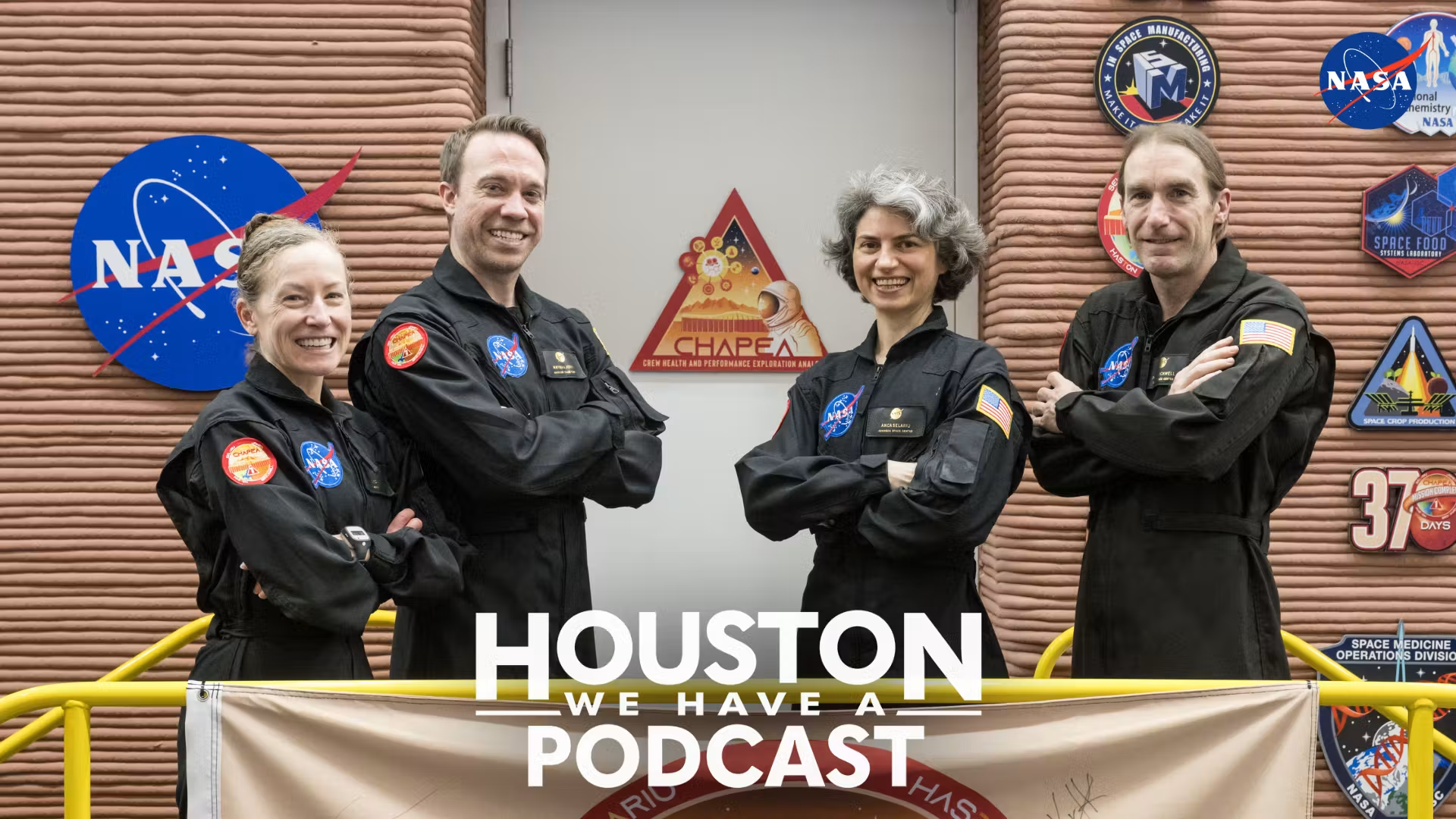
The CHAPEA Mission 1 crew reflects on their year inside of a simulated Mars habitat and shares their perspectives of what it takes to be a successful Martian crew member. HWHAP Episode 347.
Episodes each Wednesday through labor day. Find all the episodes from this season here. And past seasons here. And follow along on TikTok here for video Summer School.
Planet Money Summer School has arrived at the birth of the United States and the chance to set up a whole new economy from scratch. Should there be a centralized bank? Should there be a single currency? We’ll travel to two moments in the country’s early history when the founders said “nope” to these questions and see what happened.
First we’ll witness one of the great economic battles in U.S. history – the president of the United States versus the president of the Bank of the United States – and see how the outcome ushered in an age of financial panics. Then we’ll drop in on a time before the U.S. dollar existed as we know it, when you could buy things using one of about 8,000 forms of money circulating in the country. We watch as the Civil War leads to the first standard currency. Along the way, we’ll learn why the cycle of economic booms and busts persists to today despite efforts to centralize America’s economy throughout history.
This episode was edited by Planet Money Executive Producer Alex Goldmark and fact-checked by Sofia Shchukina.
Subscribe to Planet Money+ for sponsor-free episode listening in Apple Podcasts or at plus.npr.org/planetmoney.
See pcm.adswizz.com for information about our collection and use of personal data for sponsorship and to manage your podcast sponsorship preferences.
NPR Privacy Policy