When problems arise, it’s tempting to wait for someone else to address it. But sometimes, the only person who can fix it… is you. This hour, TED speakers share ideas on how to do it yourself. Guests include physicist and engineer Kate Stone, humanitarian programmer Tiffani Ashley Bell, builder and youth educator Emily Pilloton-Lam and videographer Jack Corbett. Original broadcast date: May 5, 2023.
TED Radio Hour+ subscribers now get access to bonus episodes, with more ideas from TED speakers and a behind the scenes look with our producers. A Plus subscription also lets you listen to regular episodes (like this one!) without sponsors. Sign-up at: plus.npr.org/ted
See pcm.adswizz.com for information about our collection and use of personal data for sponsorship and to manage your podcast sponsorship preferences.
NPR Privacy Policy
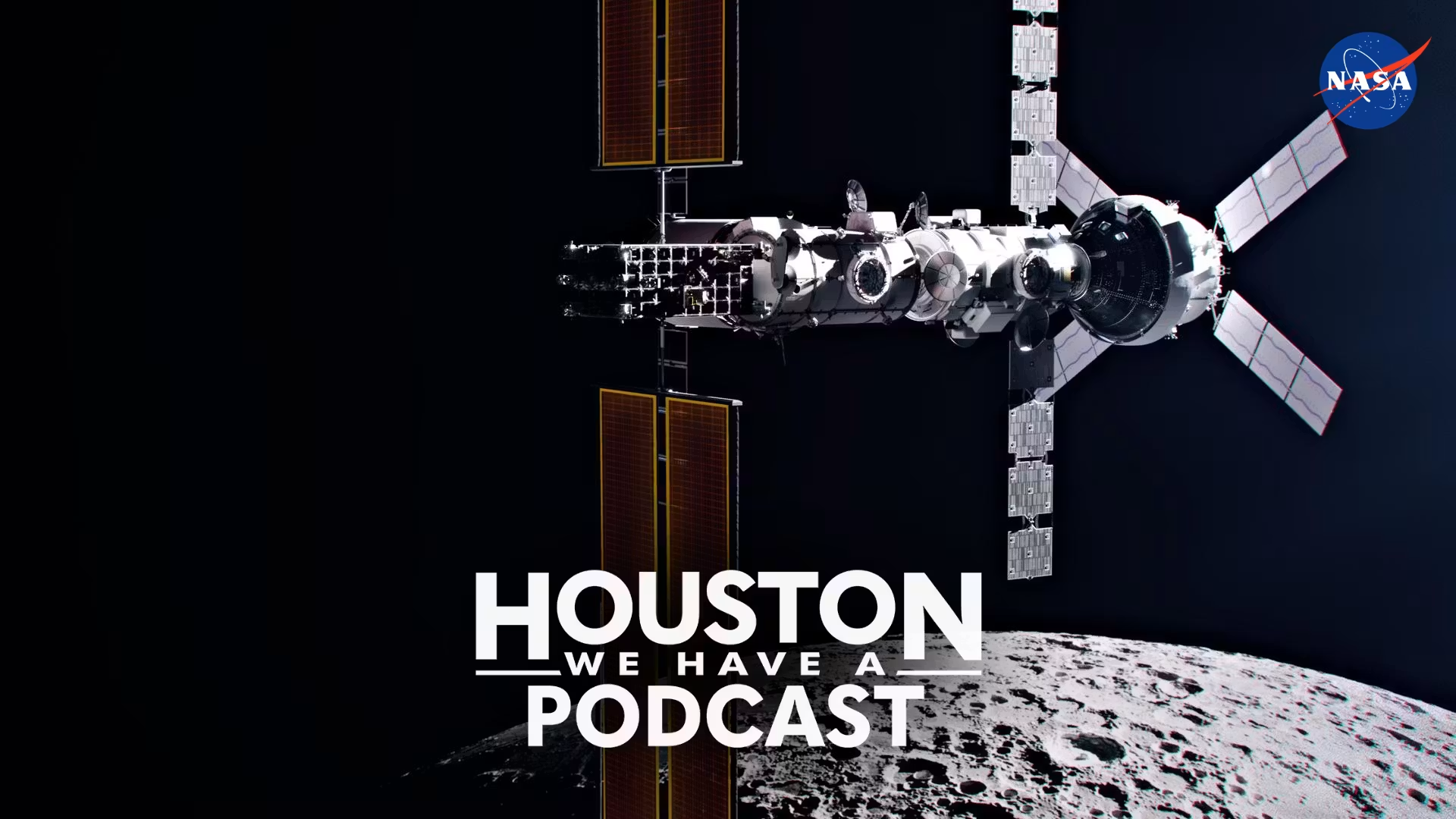
A NASA astronaut and a Gateway manager discuss how the future lunar space station will be used for science, deep space exploration, and more. HWHAP Episode 344.
Planet Money Summer School is back for eight weeks. Join as we travel back in time to find the origins of our economic way of life. Today we ask surprisingly hard question: What is money? And where did it come from? We travel to a remote island in the Pacific Ocean for the answer. Then we’ll visit France in the year 1714, where a man on the lam tries to revolutionize the country’s entire monetary system, and comes impressively close to the modern economy we have today, before it all falls apart. Check out our Summer School video cheat sheet on the origins of money at the Planet Money TikTok.
The series is hosted by Robert Smith and produced by Audrey Dilling. Our project manager is Devin Mellor. This episode was edited by Planet Money Executive Producer Alex Goldmark and fact-checked by Sofia Shchukina.
Help support Planet Money and hear our bonus episodes by subscribing to Planet Money+ in Apple Podcasts or at plus.npr.org/planetmoney.
See pcm.adswizz.com for information about our collection and use of personal data for sponsorship and to manage your podcast sponsorship preferences.
NPR Privacy Policy
Thanks to advances in AI, chatbots can act as personalized therapists, companions, and romantic partners. The apps offering these services have been downloaded millions of times. If these relationships relieve stress and make us feel better, does it matter that they’re not “real”?
On this episode from our special series Body Electric, host Manoush Zomorodi talks to MIT sociologist and psychologist Sherry Turkle about her new research into what she calls “artificial intimacy,” and its impact on our mental and physical health.
Binge the whole Body Electric series here.
Sign up for the Body Electric Challenge and our newsletter here.
Talk to us on Instagram @ManoushZ, or record a voice memo and email it to us at BodyElectric@npr.org.
See pcm.adswizz.com for information about our collection and use of personal data for sponsorship and to manage your podcast sponsorship preferences.
NPR Privacy Policy
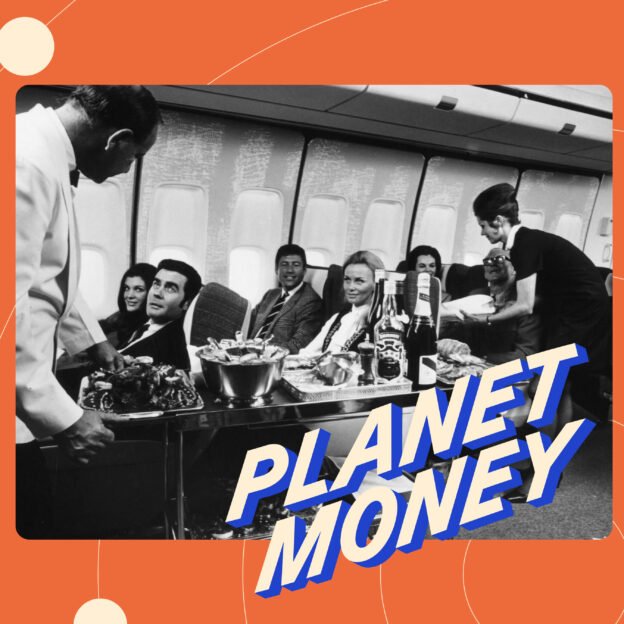
We often hear that air travel is worse than it’s ever been. Gone are the days when airplanes touted piano bars and meat carving stations — or even free meals. Instead we’re crammed into tiny seats and fighting for overhead space.
How did we get here? Most of the inconveniences we think about when we fly can be traced back to the period of time just after the federal government deregulated the airlines.
When commercial air travel took off in the 1940s, the government regulated how many national airlines were allowed to exist, where they were allowed to fly, and how much they could charge for tickets. But the Airline Deregulation Act of 1978 swept all these restrictions aside – and stopped providing subsidies for the air carriers. Airlines had to compete on ticket prices. That competition led to a more bare-bones flying experience, but it also made air travel a lot more affordable.
In this episode, we trace the evolution of air travel over the past century to discover whether flying really is worse today — or if it’s actually better than ever. We’ll board a plane from the “golden age” of air travel, hear the history of one of the original budget airlines and meet feuding airline CEOs. Along the way, we’ll see how economic forces have shaped the airline industry into what it is today, and what role we, as consumers, have played.
Help support Planet Money and hear our bonus episodes by subscribing to Planet Money+ in Apple Podcasts or at plus.npr.org/planetmoney.
See pcm.adswizz.com for information about our collection and use of personal data for sponsorship and to manage your podcast sponsorship preferences.
NPR Privacy Policy
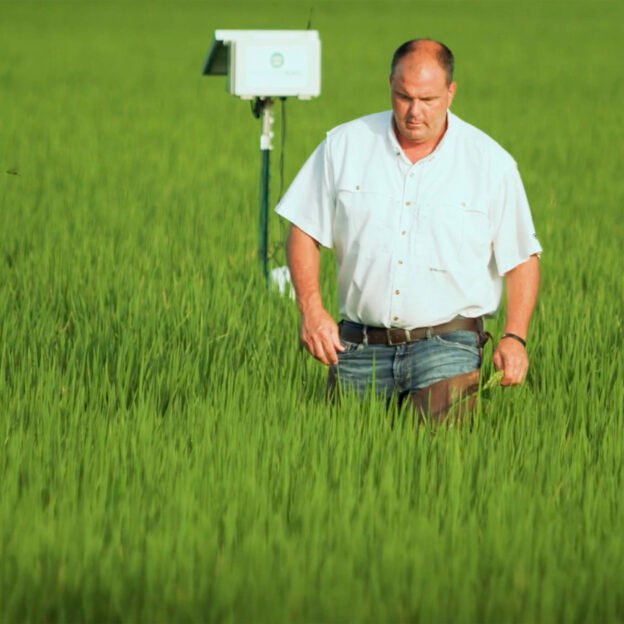
From the farm, to the lab, to our tables, what we eat and how it’s grown is changing. Agriculture contributes to global warming—and is being transformed by it. Today, a bite into the future of food. Guests include chef and policy advisor Sam Kass, farmers Jim Whitaker and Jessica Whitaker Allen, biotechnologist Isha Datar and artist Sam Van Aken.
TED Radio Hour+ subscribers now get access to bonus episodes, with more ideas from TED speakers and a behind the scenes look with our producers. A Plus subscription also lets you listen to regular episodes (like this one!) without sponsors. Sign-up at: plus.npr.org/ted
See pcm.adswizz.com for information about our collection and use of personal data for sponsorship and to manage your podcast sponsorship preferences.
NPR Privacy Policy
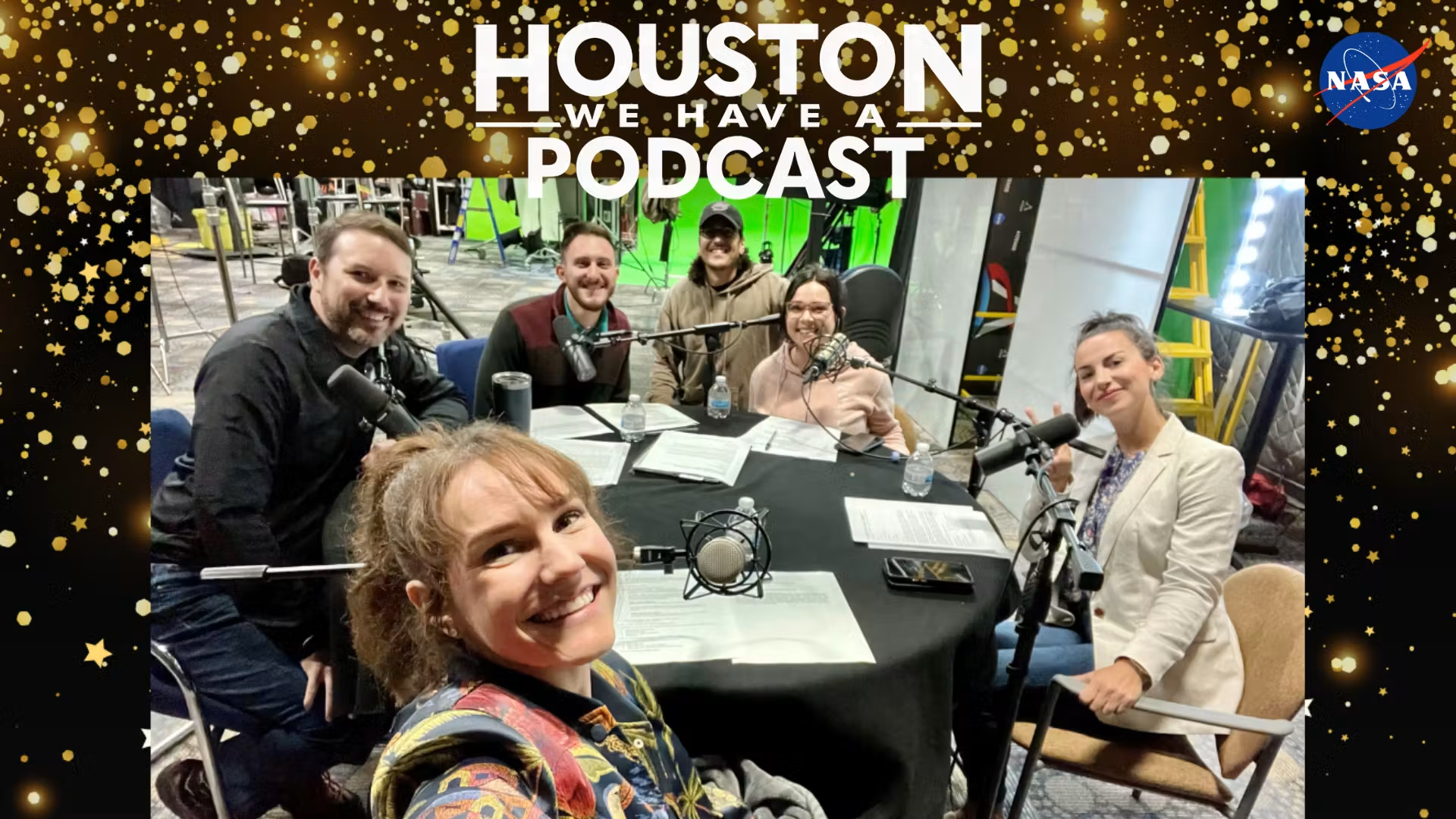
Houston We Have a Podcast celebrates its seven-year anniversary and the hosts talk about their roles at NASA, tell fun stories, and discuss their passion for communication and human spaceflight. HWHAP Episode 343.
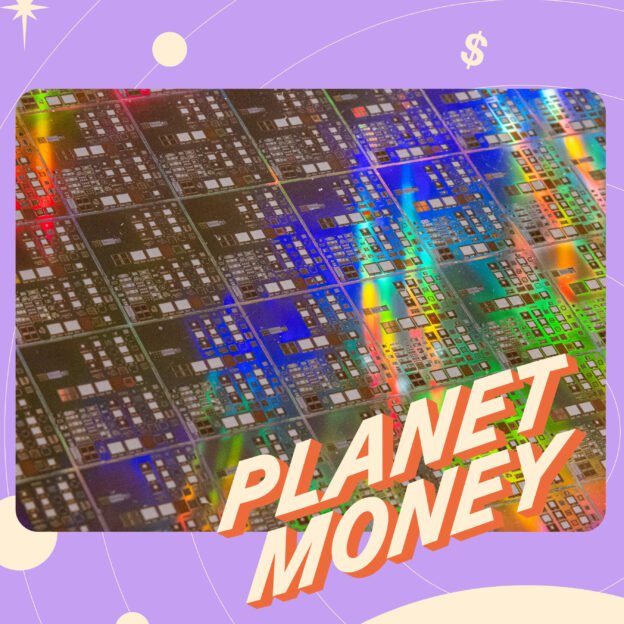
At the core of most of the electronics we use today are some very tiny, very powerful chips. Semiconductor chips. And they are mighty: they help power our phones, laptops, and cars. They enable advances in healthcare, military systems, transportation, and clean energy. And they’re also critical for artificial intelligence, providing the hardware needed to train complex machine learning.
On today’s episode, we’re bringing you two stories from our daily show The Indicator, diving into the two most important semiconductor chip companies, which have transformed the industry over the past 40 years.
First, we trace NVIDIA’s journey from making niche graphics cards for gaming to making the most advanced chips in the world — and briefly becoming the world’s biggest company. Next, we see how the Taiwan Semiconductor Manufacturing Company’s decision to manufacture chips for its competition instead of itself flipped the entire industry on its head, and moved the vast majority of the world’s advanced chip production to Taiwan.
Help support Planet Money and hear our bonus episode about NVIDIA by subscribing to Planet Money+ in Apple Podcasts or at plus.npr.org/planetmoney.
See pcm.adswizz.com for information about our collection and use of personal data for sponsorship and to manage your podcast sponsorship preferences.
NPR Privacy Policy
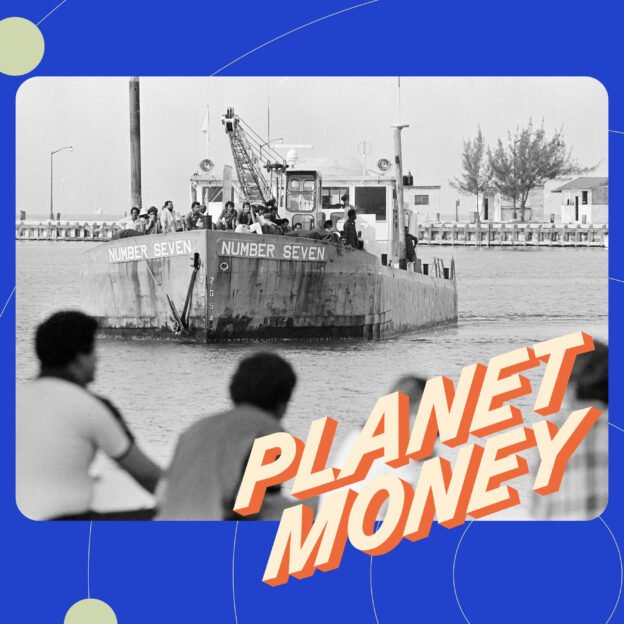
We wade into the heated debate over immigrants’ impact on the labor market. When the number of workers in a city increases, does that take away jobs from the people who already live and work there? Does a surge of immigration hurt their wages?
The debate within the field of economics often centers on Nobel-prize winner David Card’s ground-breaking paper, “The Impact of the Mariel Boatlift on the Miami Labor Market.” Today on the show: the fight over that paper, and what it tells us about the debate over immigration.
More Listening:
– When The Boats Arrive
– The Men on the Roof
This episode was hosted by Amanda Aronczyk and Jeff Guo. It was produced by Willa Rubin, edited by Annie Brown, and engineered by Valentina Rodríguez Sánchez. Fact-checking by Sierra Juarez. Alex Goldmark is Planet Money‘s executive producer.
Help support Planet Money and hear our bonus episodes by subscribing to Planet Money+ in Apple Podcasts or at plus.npr.org/planetmoney.
See pcm.adswizz.com for information about our collection and use of personal data for sponsorship and to manage your podcast sponsorship preferences.
NPR Privacy Policy
Lots left vacant, offices full of equipment but devoid of people, entire villages literally left to the wolves–this hour, TED speakers share stories about bringing new life to abandoned places. Guests include evolutionary biologist Shane Campbell-Staton, entrepreneur Garry Cooper, urban renewal expert Anika Goss, and conservationist Alysa McCall.
Original broadcast date: September 8, 2023.
TED Radio Hour+ subscribers now get access to bonus episodes, with more ideas from TED speakers and a behind the scenes look with our producers. A Plus subscription also lets you listen to regular episodes (like this one!) without sponsors. Sign-up at: plus.npr.org/ted
See pcm.adswizz.com for information about our collection and use of personal data for sponsorship and to manage your podcast sponsorship preferences.
NPR Privacy Policy