AI, EVs, and satellites are tackling the climate crisis. But they have environmental downsides. This hour, TED speakers explain how to use these tools without making global warming worse. Guests include AI researchers Sasha Luccioni and Sims Witherspoon, climate researcher Elsa Dominish and astrodynamicist Moriba Jah.
TED Radio Hour+ subscribers now get access to bonus episodes, with more ideas from TED speakers and a behind the scenes look with our producers. A Plus subscription also lets you listen to regular episodes (like this one!) without sponsors. Sign-up at plus.npr.org/ted.
See pcm.adswizz.com for information about our collection and use of personal data for sponsorship and to manage your podcast sponsorship preferences.
NPR Privacy Policy
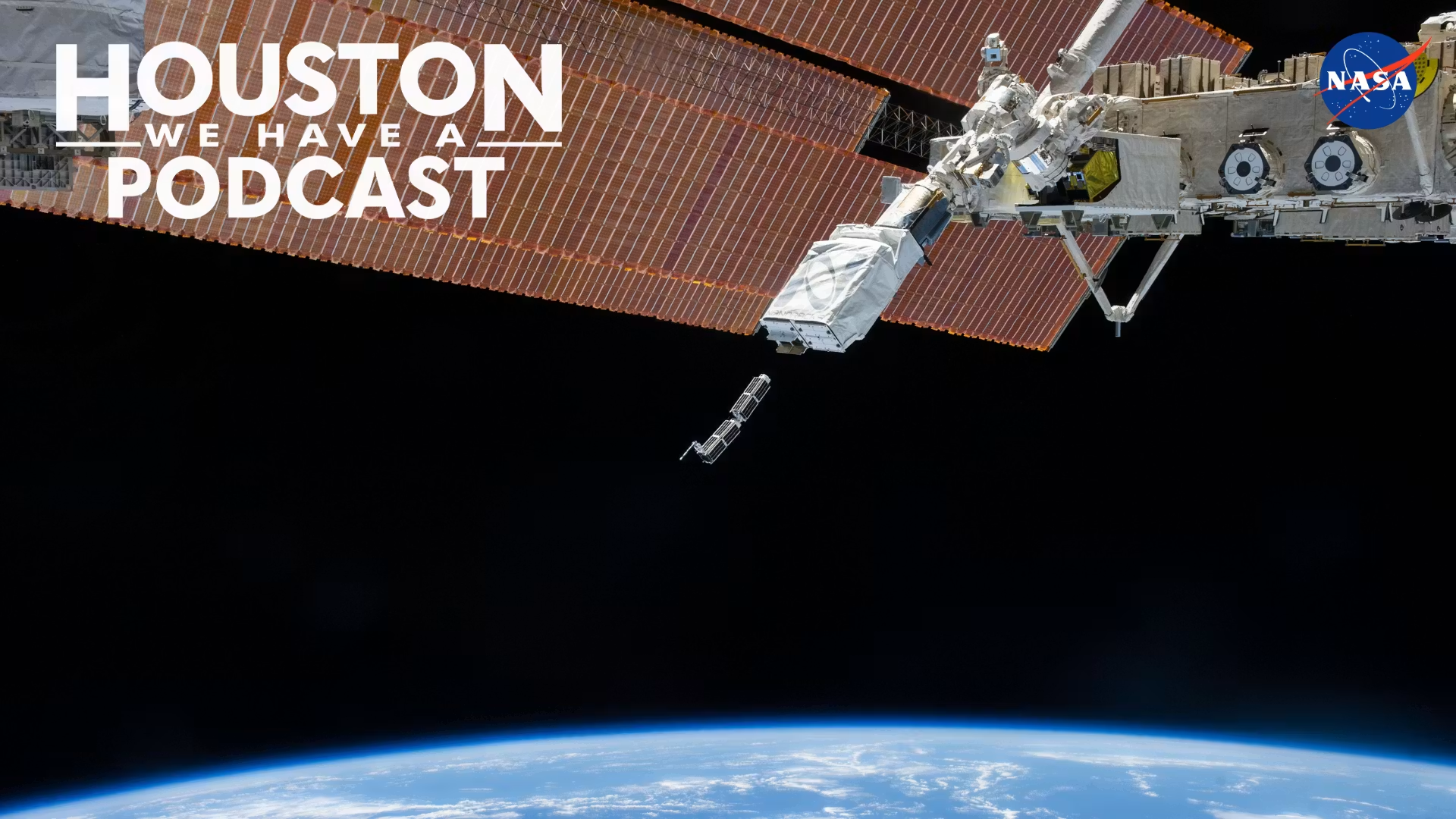
A nanosatellites expert explains the process of how CubeSats are selected, scheduled for launch, and eventually deployed from the International Space Station. HWHAP Episode 335.
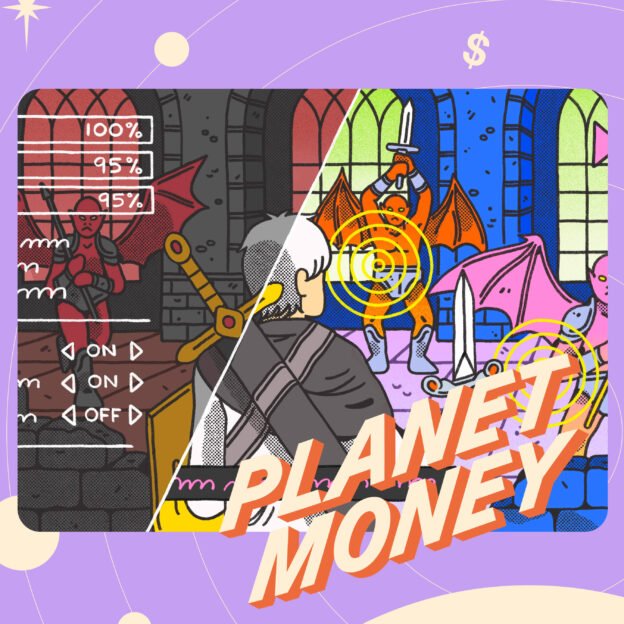
Why do video game workers offer labor at a discount? How can you design a video game for blind and sighted players? Does that design have lessons for other industries?
These and other questions about the business of video games answered in todays episode. The Indicator just wrapped a weeklong series decoding the economics of the video game industry, we’re excerpting some highlights.
First, we meet some of the workers who are struggling with the heavy demands placed on them in their booming industry, and how they are fighting back.
Then, we check in on how game developers are pulling in new audiences by creatively designing for people who couldn’t always play. How has accessibility become an increasingly important priority for game developers? And, how can more players join in the fun?
You can hear the rest of our weeklong series on the gaming industry at this link, or wherever you get your podcasts.
This episode was hosted by Wailin Wong, Darian Woods, and Adrian Ma. Corey Bridges produced this episode with help from James Sneed. It was edited by Kate Concannon, fact-checked by Sierra Juarez, and engineered by Robert Rodriguez with help from Valentina Rodríguez Sánchez. Alex Goldmark is Planet Money’s executive producer.
Help support Planet Money and hear our bonus episodes by subscribing to Planet Money+ in Apple Podcasts or at plus.npr.org/planetmoney.
See pcm.adswizz.com for information about our collection and use of personal data for sponsorship and to manage your podcast sponsorship preferences.
NPR Privacy Policy
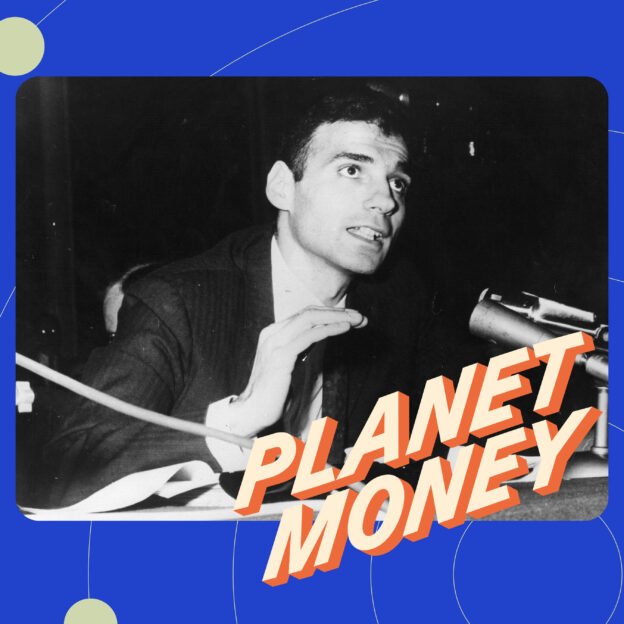
Today on the show, the story of the modern consumer movement in the U.S. and the person who inspired it: Ralph Nader. How Ralph Nader’s battle in the 1960s set the stage for decades of regulation and sparked a debate in the U.S. about how much regulation is the right amount and how much is too much.
This episode was made in collaboration with NPR’s Throughline. For more about Ralph Nader and safety regulations, listen to their original episode, “Ralph Nader, Consumer Crusader.”
This Planet Money episode was produced by Emma Peaslee and edited by Jess Jiang.
The Throughline episode was produced by Rund Abdelfatah, Ramtin Arablouei, Lawrence Wu, Julie Caine, Anya Steinberg, Casey Miner, Cristina Kim, Devin Katayama, Peter Balonon-Rosen, Irene Noguchi, and fact-checking by Kevin Volkl. The episode was mixed by Josh Newell.
Help support Planet Money and get bonus episodes by subscribing to Planet Money+ in Apple Podcasts or at plus.npr.org/planetmoney.
See pcm.adswizz.com for information about our collection and use of personal data for sponsorship and to manage your podcast sponsorship preferences.
NPR Privacy Policy
Original broadcast date: Friday, December 3, 2021. Admitting we’re wrong is painful — even seen as a sign of weakness. But what if we take a more flexible approach? This hour: how rethinking ideas can be good for our brains and our relationships. Guests include former GOP congressman Bob Inglis, organizational psychologist Adam Grant, and civil rights activist Loretta J. Ross.
TED Radio Hour+ subscribers now get access to bonus episodes, with more ideas from TED speakers and a behind the scenes look with our producers. A Plus subscription also lets you listen to regular episodes (like this one!) without sponsors. Sign-up at plus.npr.org/ted.
See pcm.adswizz.com for information about our collection and use of personal data for sponsorship and to manage your podcast sponsorship preferences.
NPR Privacy Policy
A principal investigator talks about an experiment on board the space station observing the forces that drive space weather. HWHAP Episode 334.
(Note: This episode originally ran in 2021.)
Millions of American workers in all sorts of industries have signed some form of noncompete agreement. Their pervasiveness has led to situations where workers looking to change jobs can be locked out of their fields.
On today’s episode: how one man tried to end noncompete contracts in his home state of Hawaii. And we update that story with news of a recent ruling from the Federal Trade Commission that could ban most noncompete agreements nationwide.
This episode was hosted by Erika Beras and Amanda Aronczyk. The original piece was produced by Dave Blanchard, edited by Ebony Reed, and engineered by Isaac Rodrigues. The update was reported and produced by Willa Rubin. It was edited by Keith Romer, fact-checked by Sierra Juarez, and engineered by Josephine Nyounai.
Help support Planet Money and get bonus episodes by subscribing to Planet Money+ in Apple Podcasts or at plus.npr.org/planetmoney.
See pcm.adswizz.com for information about our collection and use of personal data for sponsorship and to manage your podcast sponsorship preferences.
NPR Privacy Policy
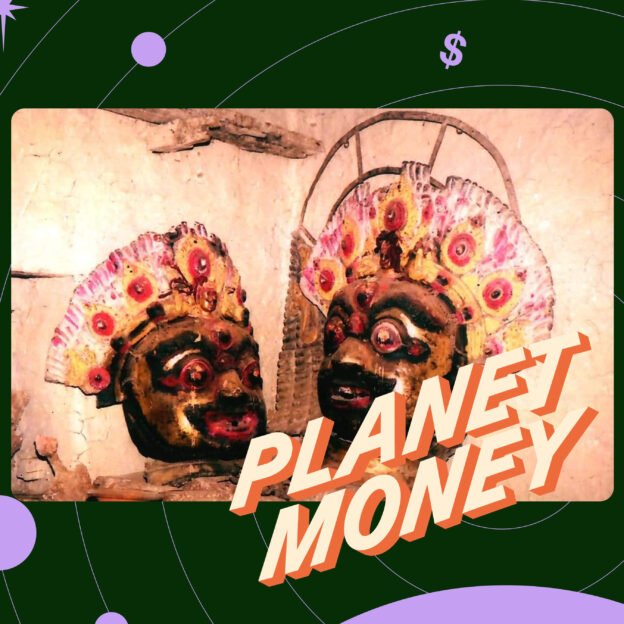
About thirty years ago, Yagya Kumar Pradhan woke up to the news that the temple he and his clan used had been broken into. The temple had been ransacked. And someone had stolen two holy Bhairav masks. Yagya says they had been in his family for more than five hundred years – since the 16th century.
Yagya is a kind of Hindu priest for his clan. And he says, these Bhairav masks were very holy. People made offerings to them during Dashaun, a festival held in the fall.
Yagya thought the masks were gone for good. He didn’t realize… they were hiding in plain sight.
On today’s show: The story of a group of amateur art detectives who use modern tools, subterfuge, and the power of the law to return stolen artifacts to their rightful owners. And we dive into the world of high-end auctions and art museums to ask: Can the art world survive the legacy of cultural theft?
Clarification: This episode has been updated to clarify that the reason the Rubin Museum is shuttering its building is not directly linked to repatriation.
This episode was hosted by Erika Beras and Nick Fountain. It was produced by James Sneed, edited by Jess Jiang, fact-checked by Sierra Juarez, and engineered by Cena Loffredo. Alex Goldmark is Planet Money’s executive producer.
Help support Planet Money and get bonus episodes by subscribing to Planet Money+ in Apple Podcasts or at plus.npr.org/planetmoney.
See pcm.adswizz.com for information about our collection and use of personal data for sponsorship and to manage your podcast sponsorship preferences.
NPR Privacy Policy
Original broadcast date: July 23, 2021. How can we create public places that feel welcoming and safe for everyone? This hour, TED speakers examine our physical and digital spaces—how they run, who they serve, and how to make them better. Guests include community organizer Shari Davis, researcher Eli Pariser, Wikipedia Library founder Jake Orlowitz, Wikipedia co-founder Jimmy Wales, and artist Matthew Mazzotta.
TED Radio Hour+ subscribers now get access to bonus episodes, with more ideas from TED speakers and a behind the scenes look with our producers. A Plus subscription also lets you listen to regular episodes (like this one!) without sponsors. Sign-up at plus.npr.org/ted.
See pcm.adswizz.com for information about our collection and use of personal data for sponsorship and to manage your podcast sponsorship preferences.
NPR Privacy Policy
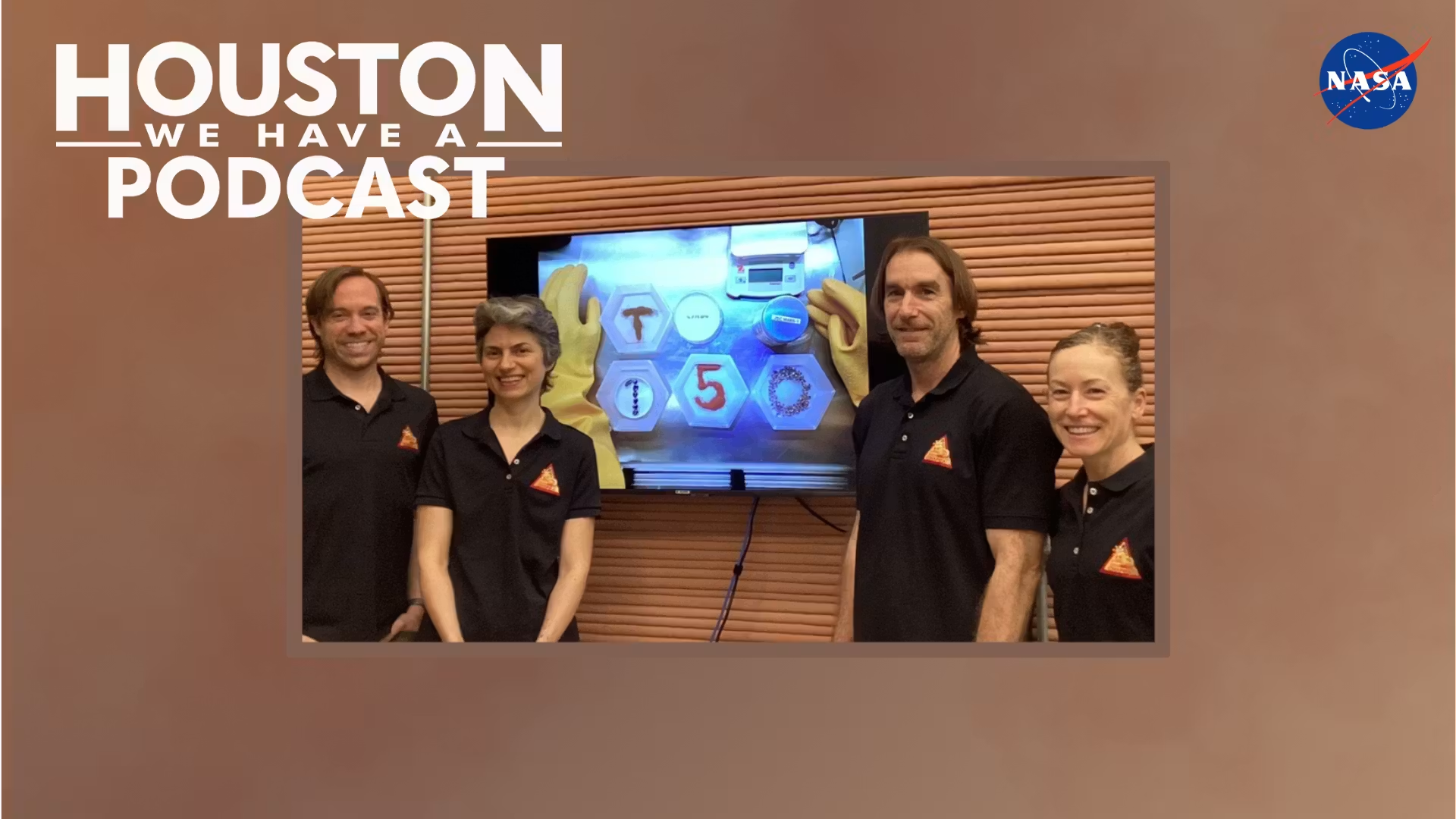
The CHAPEA crew checks in on their ninth month in a Mars simulated habitat and a Mars architecture expert explains CHAPEA’s role in NASA’s long-term plans to explore the Red Planet. HWHAP Episode 333.