(Note: This episode originally ran in 2023.)
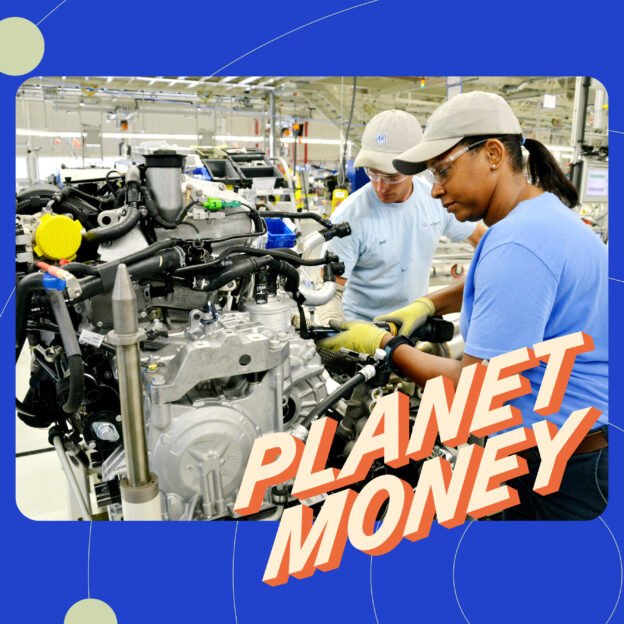
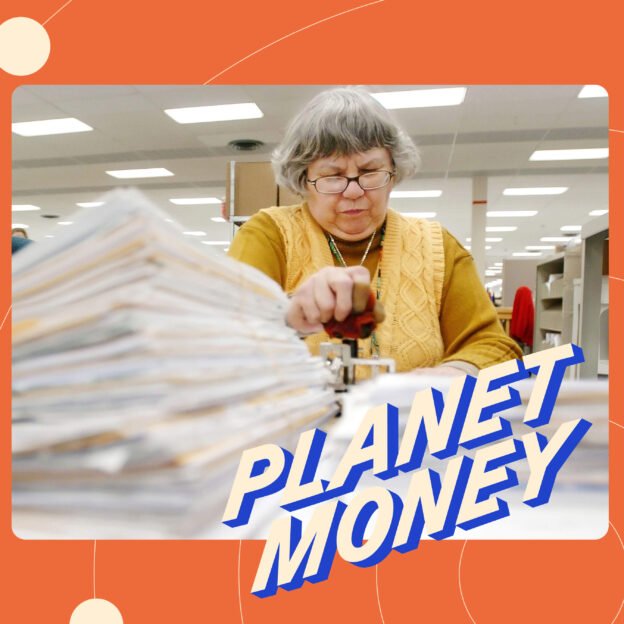
Union membership in the U.S. has been declining for decades. But, in 2022, support for unions among Americans was the highest it’s been in decades. This dissonance is due, in part, to the difficulties of one important phase in the life cycle of a union: setting up a union in the first place. One place where that has been particularly clear is at the Volkswagen plant in Chattanooga, Tennessee.
Back in 2008, Volkswagen announced that they would be setting up production in the United States after a 20-year absence. They planned to build a new auto manufacturing plant in Chattanooga.
Volkswagen has plants all over the world, all of which have some kind of worker representation, and the company said that it wanted that for Chattanooga too. So, the United Auto Workers, the union that traditionally represents auto workers, thought they would be able to successfully unionize this plant.
They were wrong.
In this episode, we tell the story of the UAW’s 10-year fight to unionize the Chattanooga plant. And, what other unions can learn from how badly that fight went for labor.
This episode was hosted by Amanda Aronczyk and Nick Fountain. It was produced by Willa Rubin. It was engineered by Josephine Nyounai, fact-checked by Sierra Juarez, and edited by Keith Romer. Alex Goldmark is our executive producer.
Help support Planet Money and get bonus episodes by subscribing to Planet Money+ in Apple Podcasts or at plus.npr.org/planetmoney.
See pcm.adswizz.com for information about our collection and use of personal data for sponsorship and to manage your podcast sponsorship preferences.
NPR Privacy Policy
Microsoft. After nearly a decade of Acquired episodes, we are finally ready to tackle the most valuable company ever created. The company that put a computer on every desk and in every home. The company that invented the software business model. The company that so thoroughly and completely dominated every conceivable competitor that the United States government intervened and kneecapped it… yet it’s STILL the most valuable company in the world today.
This episode tells the story of Microsoft in its heyday, the PC Era. We cover its rise from a teenage dream to the most powerful business and technology force in history — the 20-year period from 1975 to 1995 that took Bill and Paul from the Lakeside high school computer room to launching Windows 95 alongside Jay Leno and the Rolling Stones. From BASIC to DOS, Windows, Office, Intel, IBM, Xerox PARC, Apple, Steve Jobs, Steve Ballmer… it’s all here, and it’s all amazing. Tune in and enjoy… Microsoft.
Sponsors:
Links:
Carve Outs:
More Acquired!
© Copyright 2015-2026 ACQ, LLC
Note: Acquired hosts and guests may hold assets discussed in this episode. This podcast is not investment advice, and is intended for informational and entertainment purposes only. You should do your own research and make your own independent decisions when considering any financial transactions.
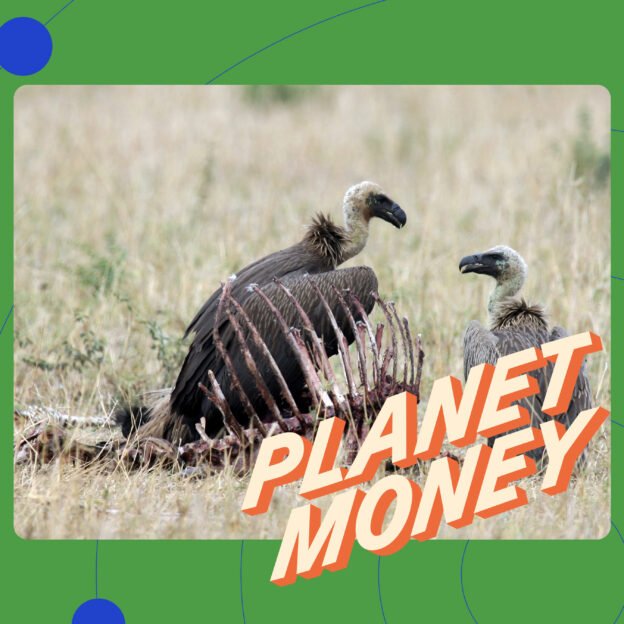
For the last year and a half, the story of FTX has focused largely on the crimes and punishment of Sam Bankman-Fried. But in the background, the actual customers he left behind have been caught in a financial feeding frenzy over the remains of the company.
On today’s show, we do a deep dive into the anatomy of the FTX bankruptcy. We meet the vulture investors who make markets out of risky debt, and hear how customers fare in the secretive world of bankruptcy claims trading.
This episode was hosted by Alexi Horowitz-Ghazi and Amanda Aronczyk. It was produced by James Sneed and Sam Yellowhorse Kesler. It was edited by Jess Jiang, and fact-checked by Sierra Juarez. It was engineered by Cena Loffredo. Alex Goldmark is Planet Money’s executive producer.
Help support Planet Money and get bonus episodes by subscribing to Planet Money+ in Apple Podcasts or at plus.npr.org/planetmoney.
See pcm.adswizz.com for information about our collection and use of personal data for sponsorship and to manage your podcast sponsorship preferences.
NPR Privacy Policy
Forgetting a name, a poorly executed hug, the 7th grade — awkwardness is part of our lives whether we like it or not. But what if we put the embarrassment aside and embraced our awkward selves? Guests include social scientist Ty Tashiro, cartoonist Liana Finck, journalist Melissa Dahl and sex and relationship counselor Erin Chen.
TED Radio Hour+ subscribers now get access to bonus episodes, with more ideas from TED speakers and a behind the scenes look with our producers. A Plus subscription also lets you listen to regular episodes (like this one!) without sponsors. Sign-up at plus.npr.org/ted.
See pcm.adswizz.com for information about our collection and use of personal data for sponsorship and to manage your podcast sponsorship preferences.
NPR Privacy Policy
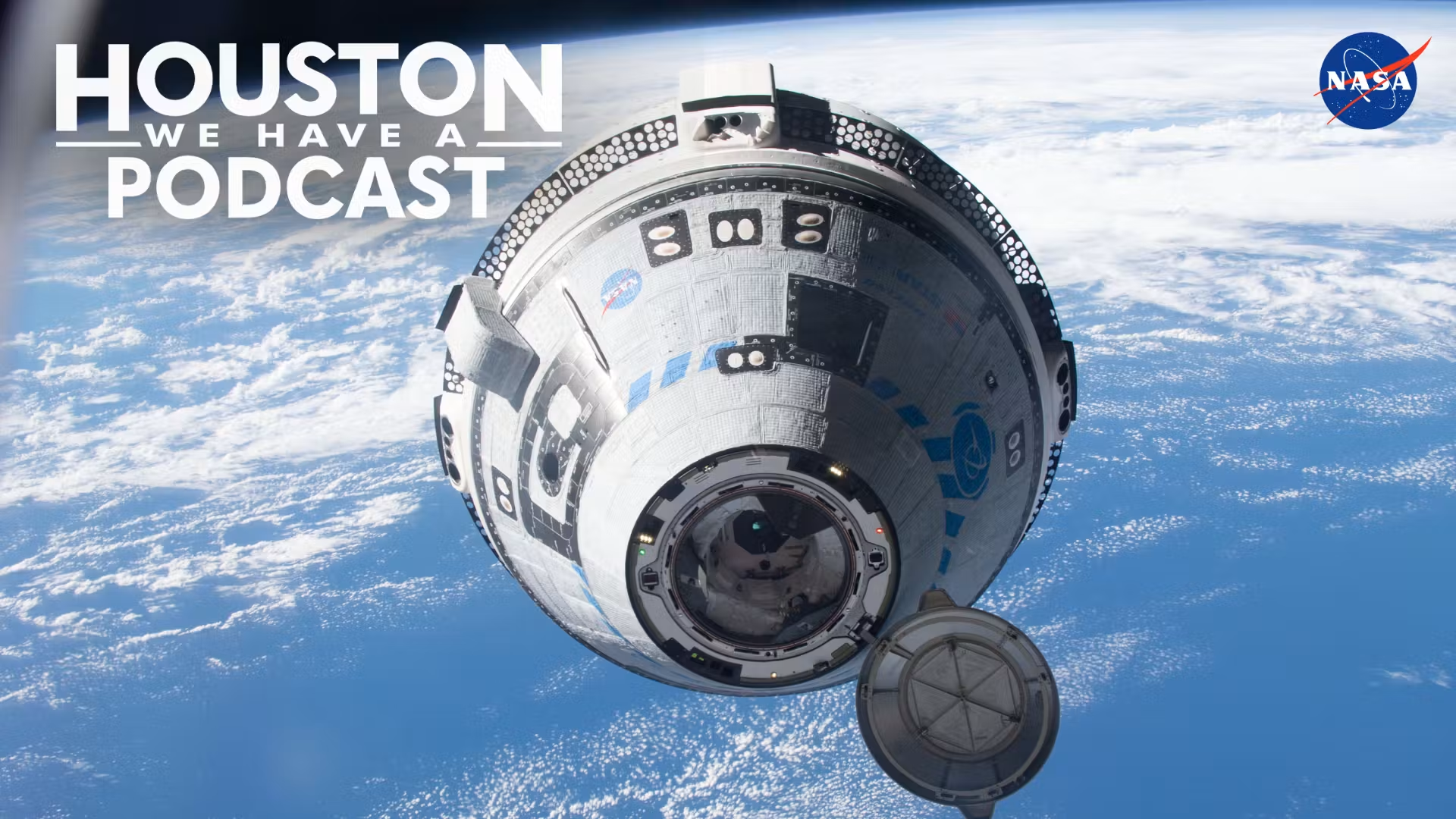
NASA’s Boeing Crew Flight Test Commander Butch Wilmore and Pilot Suni Williams discuss their astronaut journeys and preparation to be the first humans to fly Starliner. HWHAP Episode 332.
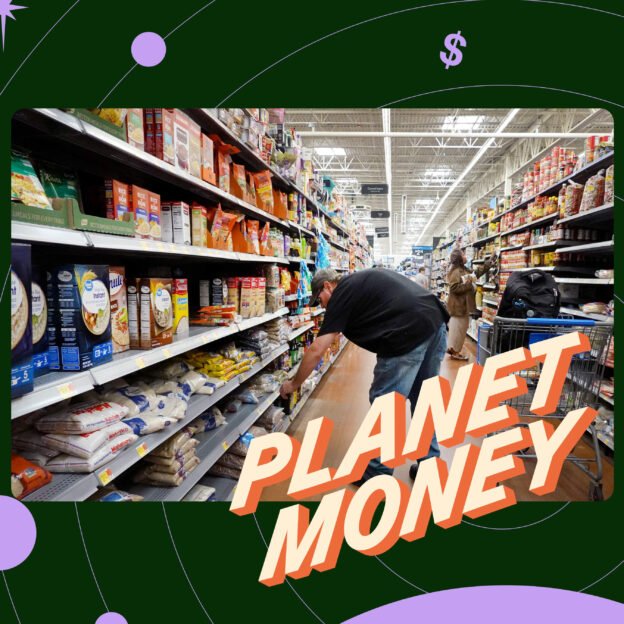
What’s going on with consumers? This is one of the trickiest puzzles of this weird economic moment we’re in. We’ve covered a version of this before under the term “vibecession,” but it’s safe to say, the struggle is in fact real. It is not just in our heads. Sure, sure, some data is looking great. But not all of it.
What’s interesting, is exactly why the bad feels so much worse than the good feels good. Today on the show, we look into a few theories on why feelings are just not matching up with data. We’ll break down some numbers and how to think about them. Then we look at grocery prices in particular, and an effort to combat unfair pricing using a mostly forgotten 1930’s law. Will it actually help?
Today’s episode is adapted from episodes for Planet Money’s daily show, The Indicator. Subscribe here.
Help support Planet Money and get bonus episodes by subscribing to Planet Money+ in Apple Podcasts or at plus.npr.org/planetmoney.
See pcm.adswizz.com for information about our collection and use of personal data for sponsorship and to manage your podcast sponsorship preferences.
NPR Privacy Policy
TikTok, and other apps like it, are filled with financial advice. Some of it is reliable, some… less so.
There are videos about running a business, having a side hustle, generating passive income. And also, there are a lot of tips and tricks, many of them questionable, about saving on your taxes.
On this show, we run some of the greatest hits of TikTok tax advice by some bonafide tax experts. We’ll talk about whether you can use gambling losses to reduce your tax bill, whether your pets qualify you for tax deductions – and we’ll fact check the claim that all rich people own expensive Mercedes G-Wagons… for tax purposes.
Along the way, we’ll drill down on the concepts like taxable income and the standard deduction. And we’ll ask why so many videos on TikTok suggest that you (fraudulently) categorize personal expenses as business expenses. Sometimes with a literal wink and a nod.
This episode was hosted by Nick Fountain. It was produced by Emma Peaslee with help from Willa Rubin, who also fact-checked this episode. It was edited by Molly Messick and engineered by Cena Loffredo. Alex Goldmark is Planet Money’s Executive Producer.
Help support Planet Money and get bonus episodes by subscribing to Planet Money+ in Apple Podcasts or at plus.npr.org/planetmoney.
See pcm.adswizz.com for information about our collection and use of personal data for sponsorship and to manage your podcast sponsorship preferences.
NPR Privacy Policy
Original broadcast date: December 9, 2022. We think our faces are our own. But technology can use them to identify, influence and mimic us. This week, TED speakers explore the promise and peril of turning the human face into a digital tool. Guests include super recognizer Yenny Seo, Bloomberg columnist Parmy Olson, visual researcher Mike Seymour and investigative journalist Alison Killing.
TED Radio Hour+ subscribers now get access to bonus episodes, with more ideas from TED speakers and a behind the scenes look with our producers. A Plus subscription also lets you listen to regular episodes (like this one!) without sponsors. Sign-up at plus.npr.org/ted.
See pcm.adswizz.com for information about our collection and use of personal data for sponsorship and to manage your podcast sponsorship preferences.
NPR Privacy Policy
Flight directors discuss NASA’s Boeing Crew Flight Test and the operations behind this historic mission. HWHAP Episode 331.
This episode originally ran in 2015.
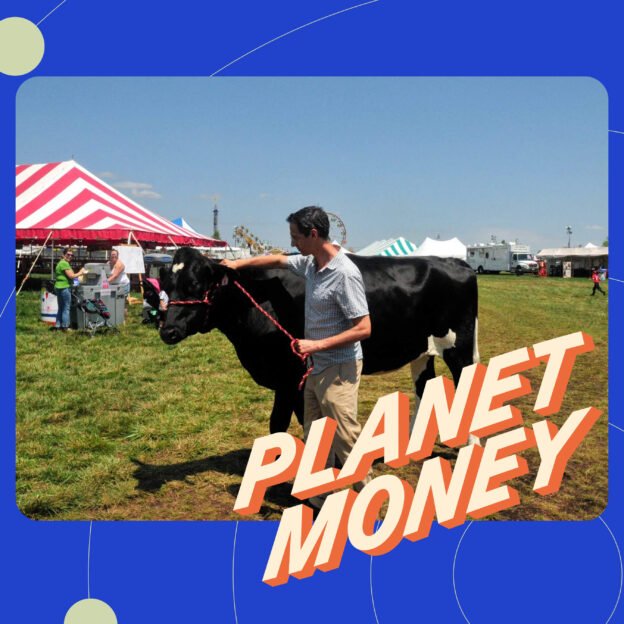
About one hundred years ago, a scientist and statistician named Francis Galston came upon an opportunity to test how well regular people were at answering a question. He was at a fair where lots of people were guessing the weight of an ox, so he decided to take the average of all their guesses and compare it to the correct answer.
What he found shocked him. The average of their guesses was almost exactly accurate. The crowd was off by just one pound.
This eerie phenomenon—this idea that the crowd is right—drives everything from the stock market to the price of orange juice.
So, we decided to test it for ourselves. We asked Planet Money listeners to guess the weight of a cow.
Spoiler: You can see the results here.
This episode was hosted by David Kestenbaum and Jacob Goldstein. It was produced by Nadia Wilson and edited by Bryant Urstadt. Alex Goldmark is Planet Money’s executive producer.
Help support Planet Money and get bonus episodes by subscribing to Planet Money+ in Apple Podcasts or at plus.npr.org/planetmoney.
See pcm.adswizz.com for information about our collection and use of personal data for sponsorship and to manage your podcast sponsorship preferences.
NPR Privacy Policy