Last month, Japan’s central bank raised interest rates for the first time in 17 years. That is a really big deal, because it means that one of the spookiest stories in modern economics might finally have an ending.
Back in the 1980s, Japan performed something of an economic miracle. It transformed itself into the number two economy in the world. From Walkmans to Toyotas, the U.S. was awash in Japanese imports. And Japanese companies went on a spending spree. Sony bought up Columbia Pictures. Mitsubishi became the new majority owners of Rockefeller Center.
But in the early 1990s, it all came to a sudden halt. Japan went from being one of the fastest growing countries in the world to one of the slowest. And this economic stagnation went on and on and on. For decades.
On this episode, the unnerving story of Japan’s Lost Decades: How did one of the most advanced economies in the world just fall down one day — and not be able to get up? Japan’s predicament changed our understanding of what can go wrong in a modern economy. And gave us some new tools to try and deal with it.
This episode was hosted by Jeff Guo. It was produced by Emma Peaslee and engineered by Cena Loffredo. It was edited by Molly Messick. Alex Goldmark is Planet Money’s executive producer.
Help support Planet Money and get bonus episodes by subscribing to Planet Money+ in Apple Podcasts or at plus.npr.org/planetmoney.
See pcm.adswizz.com for information about our collection and use of personal data for sponsorship and to manage your podcast sponsorship preferences.
NPR Privacy Policy
Writer Anne Lamott has garnered a cult following with her shockingly honest prose on love, death, faith, writing and more. This hour, her wisdom from a career that has spanned 20 books and 40 years.
TED Radio Hour+ subscribers now get access to bonus episodes, with more ideas from TED speakers and a behind the scenes look with our producers. A Plus subscription also lets you listen to regular episodes (like this one!) without sponsors. Sign-up at plus.npr.org/ted.
See pcm.adswizz.com for information about our collection and use of personal data for sponsorship and to manage your podcast sponsorship preferences.
NPR Privacy Policy
On April 8, the total solar eclipse across the United States will be the last for 20 years. A NASA flight controller discusses all you need to know about the eclipse, how to best witness it, and the safety precautions that come with it. HWHAP Episode 330.
In 2019, Mike Ketchmark got a call. Mike is a lawyer in Kansas City, Missouri, and his friend, Brandon Boulware, another lawyer, was calling about a case he wanted Mike to get involved with. Mike was an unusual choice – he’s a personal injury lawyer, and this was going to be an antitrust case.
But Brandon knew Mike was great in front of a jury. And that he’d won huge settlements for his clients in the past.
So the lawyer friend drops by Mike’s office, and pitches him the case. Rhonda and Scott Burnett had just sold their home for $250,000, and out of that amount, they had paid $15,000 in commission (plus a small fee), which was split between two real estate agents – even though they had hired only one. And the commission was high – 6%. Mike’s friend said the whole thing seemed… suspicious. Maybe even illegal.
Mike agreed to take the case, a case that would soon become bigger than one about just what had happened to the Burnetts. It would become a fight about the way homes are bought and sold in the U.S. and challenge the way real estate agents have done business for more than 100 years.
This episode was hosted by Amanda Aronczyk and Keith Romer. It was produced by Willa Rubin, edited by Keith Romer, engineered by Valentina Rodríguez Sánchez, and fact-checked by Sierra Juarez. Alex Goldmark is Planet Money’s executive producer.
Help support Planet Money and get bonus episodes by subscribing to Planet Money+ in Apple Podcasts or at plus.npr.org/planetmoney.
See pcm.adswizz.com for information about our collection and use of personal data for sponsorship and to manage your podcast sponsorship preferences.
NPR Privacy Policy
There’s been a lot of disagreement in Congress and in the country about whether the U.S. should continue to financially support the wars in Ukraine and Gaza.
Some taxpayers don’t think the U.S. should give Ukraine any money to fight off Russia’s invasion. And some taxpayers have concerns about how they might be funding weapons that have been used to kill civilians in Gaza. And there are questions about how much individual taxpayers contribute to war efforts, generally.
So in this episode, we attempt to do the math: The average taxpayers’ contribution to Israel and Ukraine. It’s not so simple. But in attempting to do this math, we get this window into the role of our tax dollars on foreign assistance, and how the U.S. sells weapons to other countries.
For links to some of the reports we looked at to report this episode, check out the episode page on NPR.org.
This episode was hosted by Sarah Gonzalez and Alexi Horowitz-Ghazi. It was produced by Sam Yellowhorse Kesler and edited by Jess Jiang. It was fact-checked by Sierra Juarez and engineered by Robert Rodriguez. Alex Goldmark is our executive producer.
Help support Planet Money and get bonus episodes by subscribing to Planet Money+ in Apple Podcasts or at plus.npr.org/planetmoney.
See pcm.adswizz.com for information about our collection and use of personal data for sponsorship and to manage your podcast sponsorship preferences.
NPR Privacy Policy
Original broadcast date: July 14, 2023. From the bugs in our backyards to prehistoric reptiles, animal biology and behavior are full of puzzles and conundrums. On this episode, we hear from experts solving the mysteries of the animal kingdom. Guests include paleontologist Dean Lomax, biochemical engineer Saad Bhamla, herpetologist Gowri Shankar and conservation biologist Patrícia Medici.
TED Radio Hour+ subscribers now get access to bonus episodes, with more ideas from TED speakers and a behind the scenes look with our producers. A Plus subscription also lets you listen to regular episodes (like this one!) without sponsors. Sign-up at: plus.npr.org/ted
See pcm.adswizz.com for information about our collection and use of personal data for sponsorship and to manage your podcast sponsorship preferences.
NPR Privacy Policy
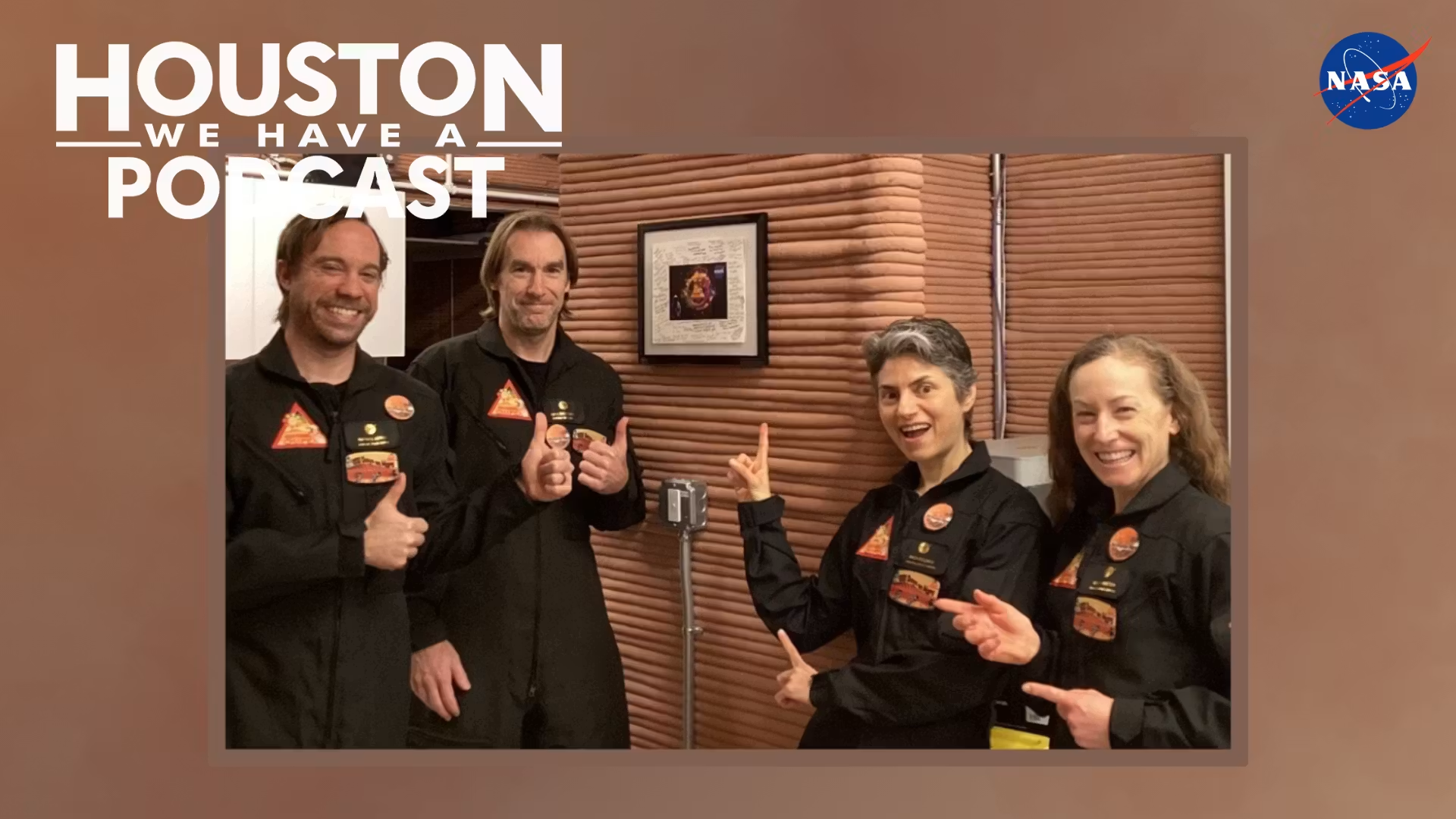
The CHAPEA crew checks in on their eighth month in a Mars simulated habitat and a NASA biostatistician discusses the process of analysis, interpretation, and presentation of scientific data. HWHAP Episode 329.
(Note: This episode originally ran in 2020.)
In the restaurant game, you need to make the most of every table every minute you are open. And you need to make sure your guests are happy, comfortable, and want to come back.
If you’re a restaurateur, your gut tells you “more seats, more money,” but, in this episode, restaurant design expert Stephani Robson upends all that and more. She helps Roni Mazumdar, owner of the casual Indian spot Adda in New York’s Long Island City, rethink how a customer behaves at a table, and how small changes can lead to a lot more money.
It’s a data-driven restaurant makeover.
This episode was originally produced by Darian Woods and Alexi Horowitz-Ghazi. James Sneed and Sam Yellowhorse Kesler produced this update. Engineering by Isaac Rodrigues and Maggie Luthar. Alex Goldmark originally edited the show and is now Planet Money’s executive producer.
Help support Planet Money and get bonus episodes by subscribing to Planet Money+ in Apple Podcasts or at plus.npr.org/planetmoney.
See pcm.adswizz.com for information about our collection and use of personal data for sponsorship and to manage your podcast sponsorship preferences.
NPR Privacy Policy
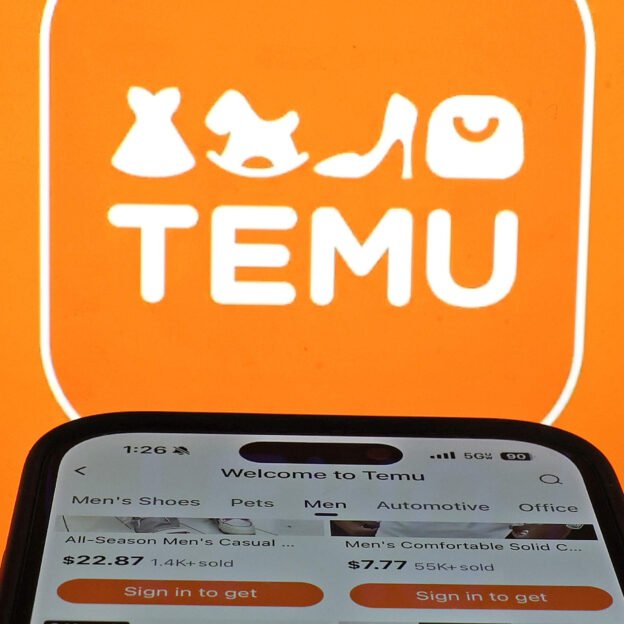
It is rare that a new e-commerce company has such a meteoric rise as Temu. The company, which launched in the fall of 2022, has been flooding the American advertising market, buying much of the inventory of Facebook, Snapchat, and beyond. According to the market intelligence firm Sensor Tower, Temu is one of the most downloaded iPhone apps in the country, with around 50 million monthly active users.
On today’s show, we go deep on Temu: How does it work, how did it manage such a quick rise in the U.S., and what hints might it offer us about the future of retail? Plus, we’ll talk to the bicycle-loving U.S. Representative who is working to shut down a loophole that has proved very helpful to Temu’s swift ascent.
This episode was hosted by Nick Fountain and Alexi Horowitz-Ghazi with reporting from Emily Feng. It was produced by Sam Yellowhorse Kesler and Emma Peaslee. It was edited by Keith Romer, fact-checked by Sierra Juarez, and engineered by Cena Loffredo. Alex Goldmark is Planet Money’s executive producer.
Help support Planet Money and get bonus episodes by subscribing to Planet Money+ in Apple Podcasts or at plus.npr.org/planetmoney.
See pcm.adswizz.com for information about our collection and use of personal data for sponsorship and to manage your podcast sponsorship preferences.
NPR Privacy Policy
We know walking is good for our bodies, our communities, and our planet. But our car-centric cities and screen-filled lives keep us sitting. Can we change? This hour, ideas to get us moving. Guests include author Vybarr Cregan-Reid, computer historian Laine Nooney, exercise physiologist Keith Diaz, urban planner Jeff Speck, activists John Francis and Vanessa Garrison.
TED Radio Hour+ subscribers now get access to bonus episodes, with more ideas from TED speakers and a behind the scenes look with our producers. A Plus subscription also lets you listen to regular episodes (like this one!) without sponsors. Sign-up at: plus.npr.org/ted
See pcm.adswizz.com for information about our collection and use of personal data for sponsorship and to manage your podcast sponsorship preferences.
NPR Privacy Policy