NASA’s Volatiles Investigating Polar Exploration Rover, also known as VIPER, is the agency’s first robotic lunar rover. Learn more about VIPER and its journey to the lunar surface. HWHAP Episode 328.
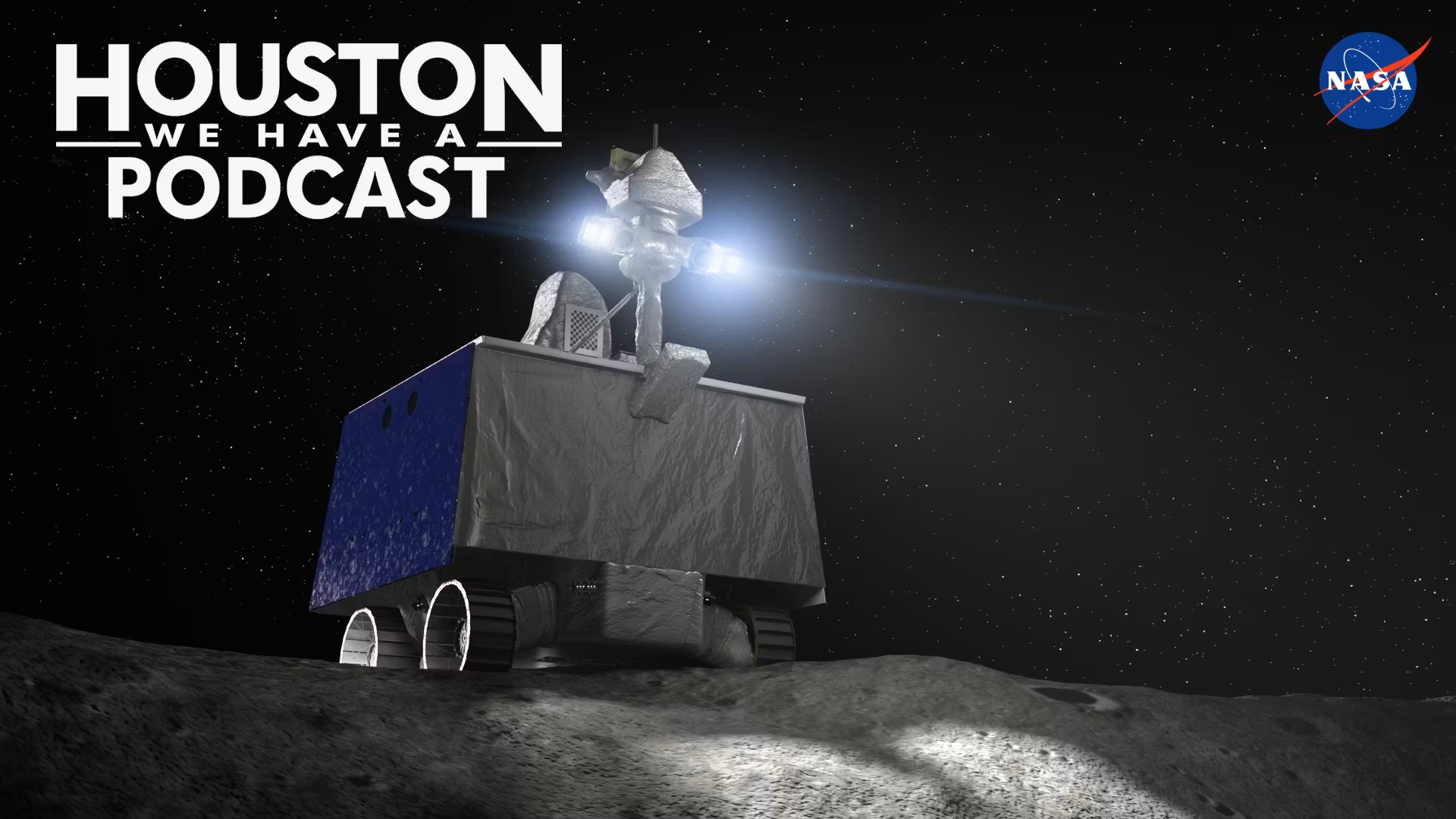
NASA’s Volatiles Investigating Polar Exploration Rover, also known as VIPER, is the agency’s first robotic lunar rover. Learn more about VIPER and its journey to the lunar surface. HWHAP Episode 328.
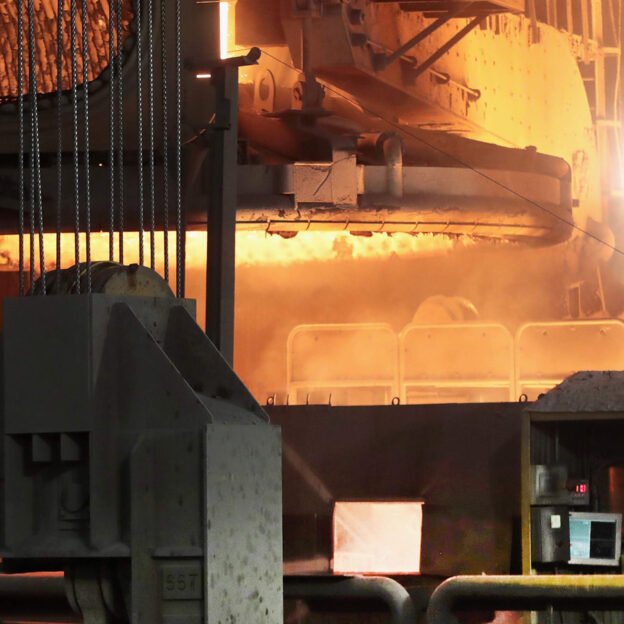
Steel manufacturing was at one point the most important industry in the United States. It was one of the biggest employers, a driver of economic growth, and it shaped our national security. Cars, weapons, skyscrapers… all needed steel.
But in the second half of the 20th century, the industry’s power started to decline. Foreign steel companies gained more market power and the established steel industry in the U.S. was hesitant to change and invest in newer technologies. But then, a smaller company took a chance and changed the industry.
On today’s episode: What can the fall of a once-great industry teach us about innovation and technology? And why you should never underestimate an underdog.
This episode was hosted by Erika Beras and Mary Childs. It was produced by Willa Rubin and edited by Jess Jiang. It was engineered by Cena Loffredo. It was fact-checked by Sierra Juarez. Our executive producer is Alex Goldmark.
Help support Planet Money and get bonus episodes by subscribing to Planet Money+ in Apple Podcasts or at plus.npr.org/planetmoney.
See pcm.adswizz.com for information about our collection and use of personal data for sponsorship and to manage your podcast sponsorship preferences.
Renaissance Technologies is the best performing investment firm of all time. And yet no one at RenTec would consider themselves an “investor”, at least in any traditional sense of the word. It’d rather be more accurate to call them scientists — scientists who’ve discovered a system of math, computers and artificial intelligence that has evolved into the greatest money making machine the world has ever seen. And boy does it work: RenTec’s alchemic colossus has posted annual returns in the firm’s flagship Medallion Fund of 68% gross and 40% net over the past 34 years, while never once losing money. (For those keeping track at home, $1,000 invested in Medallion in 1988 would have compounded to $46.5B today… if you’d been allowed to keep it in.) Tune in for an incredible story of the small group of rebel mathematicians who didn’t just beat the market, but in the words of author Greg Zuckerman “solved it.”
Sponsors:
Links:
Carve Outs:
More Acquired!
© Copyright 2015-2026 ACQ, LLC
Note: Acquired hosts and guests may hold assets discussed in this episode. This podcast is not investment advice, and is intended for informational and entertainment purposes only. You should do your own research and make your own independent decisions when considering any financial transactions.
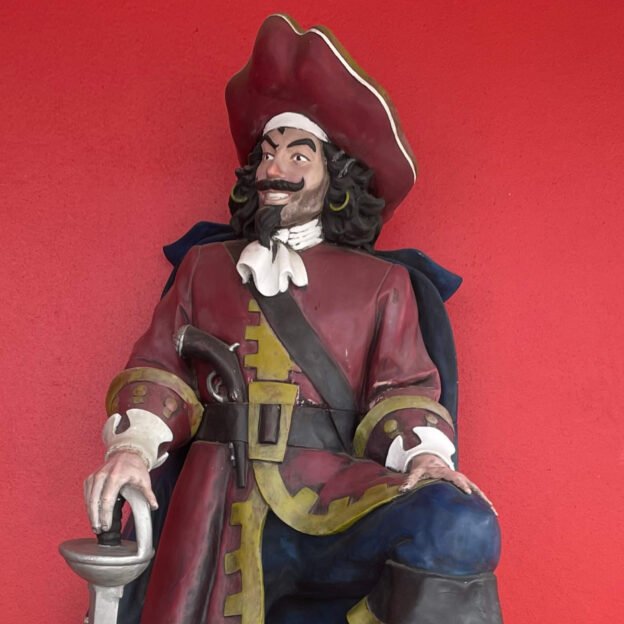
When you buy a bottle of rum in the United States, by law nearly all the federal taxes on that rum must be sent to Puerto Rico and the U.S. Virgin Islands. It’s an unusual system that Congress designed decades ago to help fund these two U.S. territories. In 2021 alone, these rum tax payments added up to more than $700 million.
Puerto Rico and the Virgin Islands split the money according to how much rum each territory produces. And the territories produce a lot of it — especially Puerto Rico, which single handedly supplies the majority of the rum that Americans drink.
But in 2008, the U.S. Virgin Islands pulled off a coup. It convinced one of the largest rum brands in the world, Captain Morgan, to abandon Puerto Rico and to shift its operations to the tiny island of St. Croix.
This was the beginning of the Rum Wars.
On today’s show, the story of how a scheme designed to help Puerto Rico and the U.S. Virgin Islands turned them into bitter rivals. And how it ended up putting hundreds of millions of dollars a year — U.S. taxpayer dollars — into the pockets of big liquor companies instead.
This episode was hosted by Jeff Guo and Sarah Gonzalez. It was produced by James Sneed with help from Sam Yellowhorse Kesler. It was edited by Molly Messick, engineered by Cena Loffredo, and fact checked by Sierra Juarez. Alex Goldmark is Planet Money’s executive producer.
Help support Planet Money and get bonus episodes by subscribing to Planet Money+ in Apple Podcasts or at plus.npr.org/planetmoney.
See pcm.adswizz.com for information about our collection and use of personal data for sponsorship and to manage your podcast sponsorship preferences.

Original broadcast date: June 30, 2023. Big problems need audacious solutions. This hour, TED speakers use data and common sense to make laws more effective, reform the foster care system and hold environmental offenders accountable. Guests include criminal justice reform activist Sheena Meade, child welfare advocates Sixto Cancel and Marquan Teetz, and ocean monitoring expert Tony Long.
TED Radio Hour+ subscribers now get access to bonus episodes, with more ideas from TED speakers and a behind the scenes look with our producers. A Plus subscription also lets you listen to regular episodes (like this one!) without sponsors. Sign-up at: plus.npr.org/ted
See pcm.adswizz.com for information about our collection and use of personal data for sponsorship and to manage your podcast sponsorship preferences.

NASA astronaut Tracy C. Dyson discusses her background and anticipation as she looks ahead to the beginning of her third spaceflight later this month. HWHAP Episode 327.
The wind power business is a bit contradictory right now. It’s showing signs of boom and bust seemingly all at once.
The story of wind energy markets in two acts today. First, the Gulf of Mexico saw its first-ever auction of leases for offshore wind this summer. It was another sign of the Biden administration’s desire to get more renewable energy online as fast as possible. Expectations were high, but results did not deliver. Two of the three patches of sea didn’t get any bids at all. Hidden in the flop for this auction are some keys to what it takes to spark a whole new market, quickly.
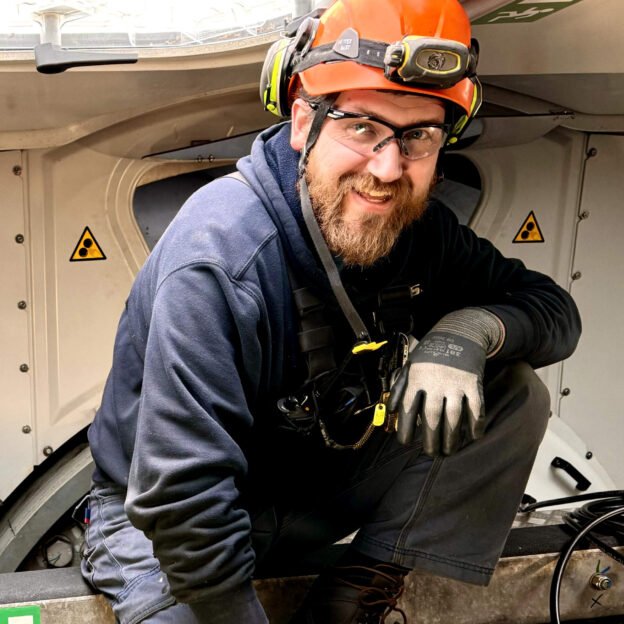
Then, the booming side of wind power: the job that’s projected to be the fastest-growing in the U.S. is wind turbine service technician. Is it a “good” job? Reporter Darian Woods suits up to see a green-collar job above the clouds for himself.
Today’s episode is adapted from episodes for Planet Money’s daily show, The Indicator. Subscribe here.
The original Indicator episodes were produced by Cooper Katz McKim and Julia Ritchey with engineering by Valentina Rodriguez Sanchez and James Willetts. They were fact-checked by Sierra Juarez and edited by Dave Blanchard and Kate Concannon.
Help support Planet Money and get bonus episodes by subscribing to Planet Money+ in Apple Podcasts or at plus.npr.org/planetmoney.
See pcm.adswizz.com for information about our collection and use of personal data for sponsorship and to manage your podcast sponsorship preferences.
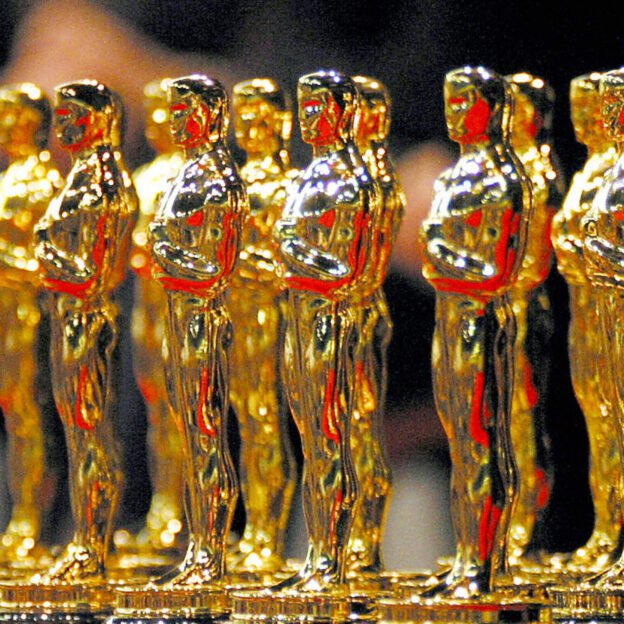
When you sit down to watch the Oscars, what you are really watching is the final battle in a months-long war of financial engineering and campaign strategy. Because in Hollywood, every year is an election year. A small army of Oscars campaign strategists help studios and streamers deploy tens of millions of dollars to sway Academy voters. And the signs of these campaigns are everywhere — from the endless celebrity appearances on late night TV to the billboards along your daily commute.
On today’s show, we hit the Oscars campaign trail to learn how these campaigns got so big in the first place. And we look into why Hollywood is still spending so much chasing gold statues, when the old playbook for how to make money on them is being rewritten.
This episode was hosted by Alexi Horowitz-Ghazi. It was produced by Emma Peaslee and edited by Jess Jiang. It was engineered by Cena Loffredo and fact checked by Sierra Juarez. Alex Goldmark is Planet Money’s executive producer.
Help support Planet Money and get bonus episodes by subscribing to Planet Money+ in Apple Podcasts or at plus.npr.org/planetmoney.
See pcm.adswizz.com for information about our collection and use of personal data for sponsorship and to manage your podcast sponsorship preferences.

Artificial intelligence is powerful, but what about natural intelligence? This hour, TED speakers explore the intrinsic genius in animal language, insect behavior, plant anatomy and our immune system. Guests include neuroscientist Greg Gage, computational neuroscientist Frances Chance, social psychoneuroimmunologist Keely Muscatell and environmental researcher Karen Bakker.
We want to dedicate this episode to Bakker who passed away in August 2023, only a few months after giving her TED Talk. Her research and legacy continue to inspire.
TED Radio Hour+ subscribers now get access to bonus episodes, with more ideas from TED speakers and a behind the scenes look with our producers. A Plus subscription also lets you listen to regular episodes (like this one!) without sponsors. Sign-up at plus.npr.org/ted
See pcm.adswizz.com for information about our collection and use of personal data for sponsorship and to manage your podcast sponsorship preferences.
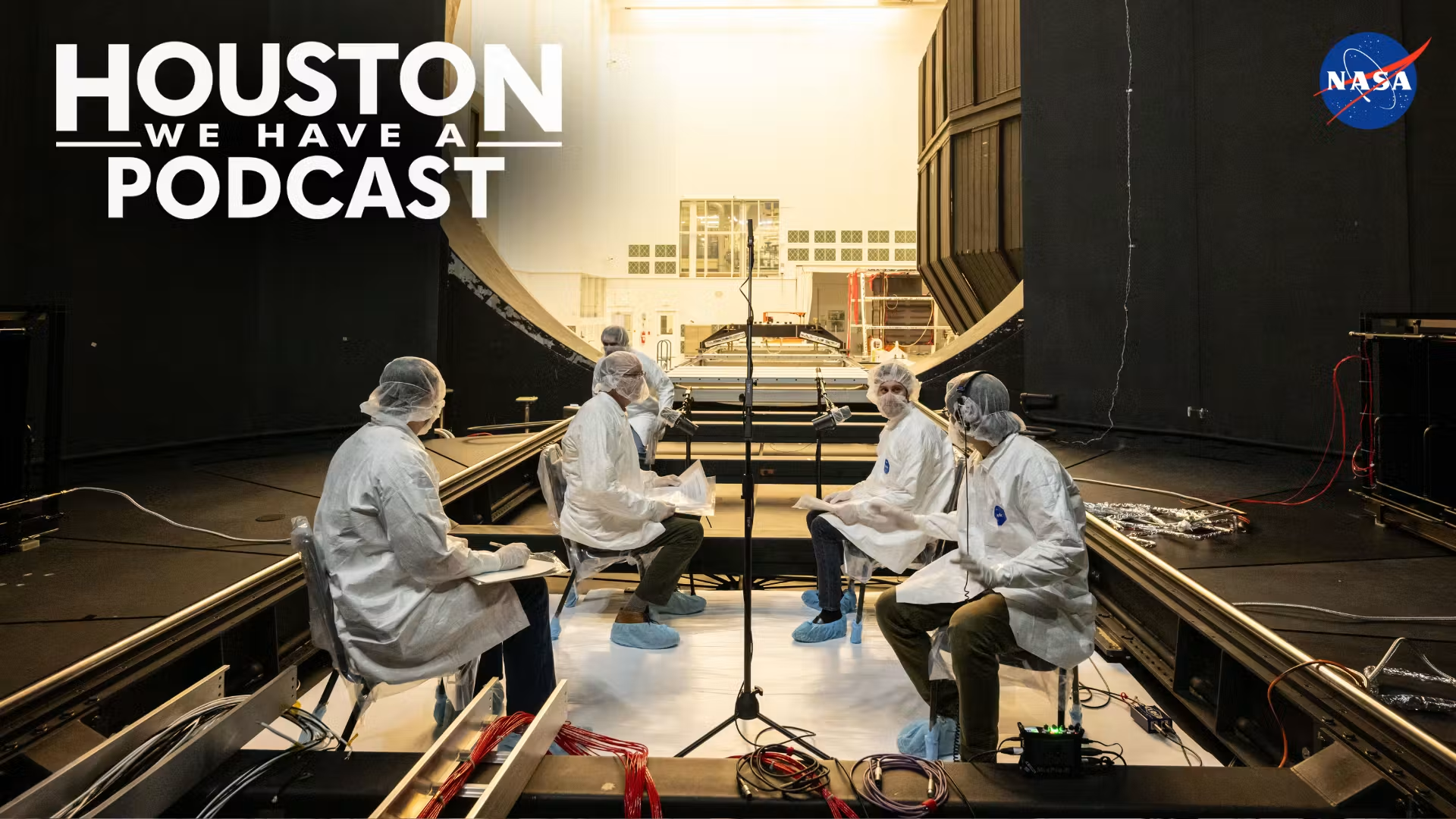
From inside of Chamber A at NASA’s Johnson Space Center, NASA experts discuss VIPER’s vacuum chamber testing in preparation for a south pole lunar landing. HWHAP Episode 326.