In luxury, there’s Hermès… and there’s everyone else. Stewarded by one French family over six generations, Hermès sells the absolute pinnacle of the French luxury dream. Loyal clients will wait years simply for the opportunity to buy one of the company’s flagship Birkin or Kelly bags. Unlike every other luxury brand, Hermès:
- Doesn’t increase supply to meet demand (hence the waitlists)
- Doesn’t loudly brand their products (IYKYK)
- Doesn’t do celebrity endorsements (stars buy their bags just like everyone else)
- Doesn’t even have a marketing department! (they barely advertise at all)
And yet everyone knows who they are and what they represent. But, despite all their iconoclasm, this is not a company that’s stood still for six generations. Unbeknownst to most, Hermès has completely reinvented itself at least three times in its 187-year history. Including most recently (and most dramatically) by the family’s current leaders, who responded to LVMH and Bernard Arnault’s 2010 takeover attempt by pursuing a radical strategy — scaling hand craftsmanship. And in the process they turned the company from a sleepy, ~$10B family enterprise into a $200B market cap European giant. Tune in for one incredible story!
Sponsors:
More Acquired!
© Copyright 2015-2026 ACQ, LLC
Links:
Carve Outs:
Note: Acquired hosts and guests may hold assets discussed in this episode. This podcast is not investment advice, and is intended for informational and entertainment purposes only. You should do your own research and make your own independent decisions when considering any financial transactions.
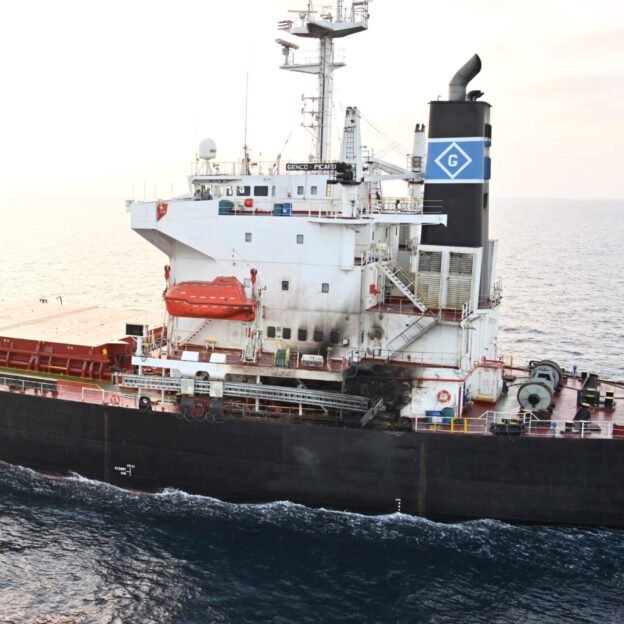
The Genco Picardy is not an American ship. It doesn’t pay U.S. taxes, none of its crew are U.S. nationals, and when it sailed through the Red Sea last month, it wasn’t carrying cargo to or from an American port.
But when the Houthis, a tribal militant group from Yemen, attacked the ship, the crew called the U.S. Navy. That same day, the Navy fired missiles at Houthi sites.
On today’s show: How did protecting the safe passage of other countries’ ships in the Red Sea become a job for the U.S. military? It goes back to an idea called Freedom of the Seas, an idea that started out as an abstract pipe dream when it was coined in the early 1600s – but has become a pillar of the global economy.
This episode was hosted by Alex Mayyasi and Nick Fountain. It was produced by Sam Yellowhorse Kesler, edited by Molly Messick, fact-checked by Sierra Juarez, and engineered by Valentina Rodríguez Sánchez, with help from Maggie Luthar. Alex Goldmark is Planet Money’s executive producer.
Help support Planet Money and get bonus episodes by subscribing to Planet Money+ in Apple Podcasts or at plus.npr.org/planetmoney.
See pcm.adswizz.com for information about our collection and use of personal data for sponsorship and to manage your podcast sponsorship preferences.
NPR Privacy Policy
Original broadcast date: October 1, 2021. When stress, fear or sadness weigh on us, our hearts can suffer — even break. But there are ways to mend our broken hearts. This hour, TED speakers share stories and ideas about soothing heartache. Guests include cardiologist Sandeep Jauhar, law professor Jeannie Suk Gersen, pediatric nurse Hui-wen Sato, and climate activist Knut Ivar Bjørlykhaug.
TED Radio Hour+ subscribers now get access to bonus episodes, with more ideas from TED speakers and a behind the scenes look with our producers. A Plus subscription also lets you listen to regular episodes (like this one!) without sponsors. Sign-up at plus.npr.org/ted.
See pcm.adswizz.com for information about our collection and use of personal data for sponsorship and to manage your podcast sponsorship preferences.
NPR Privacy Policy
The Crew-8 cadre discusses their backgrounds ahead of their launch to the International Space Station. HWHAP Episode 323.
L, is for the way you Listen to Planet Money
O, is for the Only podcast I hear
V, is Very, very, fiduciary
E, is for… ECONOMICS!
Every February, we dedicate a show to the things in our lives that have been giving us butterflies. Whether it’s an obscure online marketplace or a piece of stunt journalism that made us green with envy. And then we go out into the world to proclaim our love…in the form of a Valentine. And we have a great roster this Valentine’s Day:
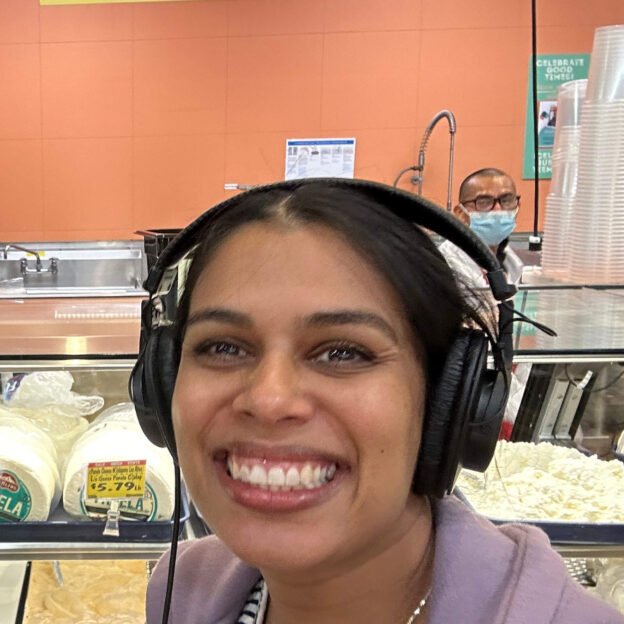
– A grocery store in Los Angeles with the very best produce
– A woodworking supply company with an innovative approach to… innovation!
– A basketball player that makes a strong case for taking risky shots
– A book that catalogues the raw materials that shape our world
– A play that connects the 2008 financial crisis to the sale of the island of Manhattan in the 1600s
– And, a podcast that turns corporate intrigue into watercooler chit-chat
So cozy up with a special someone and hand them the second earbud as we take you through our 2024 Valentines!
Help support Planet Money and get bonus episodes by subscribing to Planet Money+ in Apple Podcasts or at plus.npr.org/planetmoney.
See pcm.adswizz.com for information about our collection and use of personal data for sponsorship and to manage your podcast sponsorship preferences.
NPR Privacy Policy
Keith King was upset when his marriage ended. His wife had cheated, and his family broke apart. And that’s when he learned about a very old type of lawsuit, called a heart balm tort. A lawsuit that would let him sue the man his now ex-wife had gotten involved with during their marriage.
On this episode, where heart balm torts came from, what relationships looked like back then, and why these lawsuits still exist today (in some states, anyway.) And also, what happened when Keith King used a heart balm tort to try to deal with the most significant economic entanglement of his life: his marriage.
This episode was hosted by Erika Beras and Sarah Gonzalez. It was produced by Emma Peaslee and edited by Molly Messick. It was fact-checked by Sierra Juarez and engineered by Gilly Moon. Alex Goldmark is Planet Money’s executive producer.
Help support Planet Money and get bonus episodes by subscribing to Planet Money+ in Apple Podcasts or at plus.npr.org/planetmoney.
See pcm.adswizz.com for information about our collection and use of personal data for sponsorship and to manage your podcast sponsorship preferences.
NPR Privacy Policy
The term can refer to a double, a ghost, a shadow. But it can mean much more. From our online mirror world, to digital simulators, to the Earth’s twin–TED speakers learn from the uncanny second self. Guests include author Naomi Klein, aerospace engineer Karen Willcox, planetary scientist Sarah T. Stewart and psychologist Nancy Segal.
TED Radio Hour+ subscribers now get access to bonus episodes, with more ideas from TED speakers and a behind the scenes look with our producers. A Plus subscription also lets you listen to regular episodes (like this one!) without sponsors. Sign-up at plus.npr.org/ted.
See pcm.adswizz.com for information about our collection and use of personal data for sponsorship and to manage your podcast sponsorship preferences.
NPR Privacy Policy
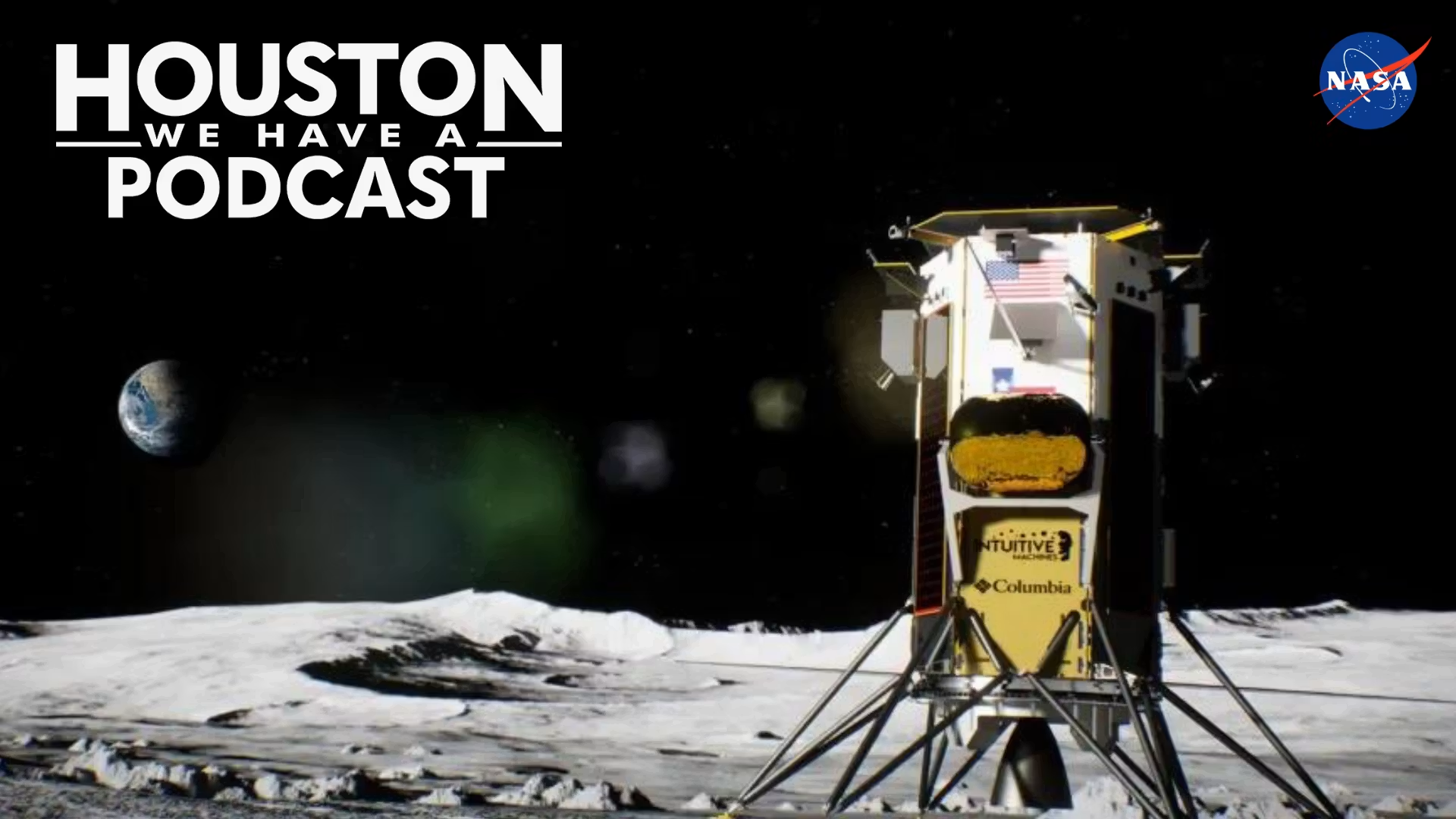
NASA and Intuitive Machines experts discuss the science and operations behind the IM-1 mission ahead of its journey to land on the Moon’s surface. HWHAP Episode 322.
There are tons of markets that don’t exist because people just don’t want to allow a market – for whatever reason, people feel icky about putting a price on something. For example: Surrogacy is a legal industry in parts of the United States, but not in much of the rest of the world. Assisted end-of-life is a legal medical transaction in some states, but is illegal in others.
When we have those knee-jerk reactions and our gut repels us from considering something apparently icky, economics asks us to look a little more closely.
Today on the show, we have three recommendations of things that may feel kinda wrong but economics suggests may actually be the better way. First: Could the matching process of organ donation be more efficient if people could buy and sell organs? Then: Should women seek revenge more often in the workplace? And finally, what if insider trading is actually useful?
This episode was hosted by Mary Childs and Greg Rosalsky. It was produced by Willa Rubin and edited by Jess Jiang. It was engineered by Cena Loffredo. Fact-checking by Sierra Juarez. Alex Goldmark is Planet Money’s executive producer.
Help support Planet Money and get bonus episodes by subscribing to Planet Money+ in Apple Podcasts or at plus.npr.org/planetmoney.
See pcm.adswizz.com for information about our collection and use of personal data for sponsorship and to manage your podcast sponsorship preferences.
NPR Privacy Policy
It’s Groundhog Day, and the eyes of the nation have turned to a small town in western Pennsylvania. And, just like last year, all anyone can talk about is Punxsutawney Phil! It is impossible to find a news story that is not about one furry prognosticator.
Well, almost impossible…
Once again, our Planet Money hosts find themselves trapped in the endless Groundhog Day news cycle, and their only way out is to discover an economics story from Groundhog Day itself interesting enough to appease the capricious Groundhog Gods!
So rise and shine campers (and don’t forget your booties) as hosts Kenny Malone and Amanda Aronczyk scour the news of February 2nds past, to try to find the perfect story.
This episode was hosted by Kenny Malone and Amanda Aronczyk. It was produced by Sam Yellowhorse Kesler. It was edited by Keith Romer, and engineered by Valentina Rodríguez Sánchez. It was fact-checked by James Sneed. Our executive producer is Alex Goldmark.
Help support Planet Money and get bonus episodes by subscribing to Planet Money+ in Apple Podcasts or at plus.npr.org/planetmoney.
See pcm.adswizz.com for information about our collection and use of personal data for sponsorship and to manage your podcast sponsorship preferences.
NPR Privacy Policy