When best-selling thriller writer Douglas Preston began playing around with OpenAI’s new chatbot, ChatGPT, he was, at first, impressed. But then he realized how much in-depth knowledge GPT had of the books he had written. When prompted, it supplied detailed plot summaries and descriptions of even minor characters. He was convinced it could only pull that off if it had read his books.
Large language models, the kind of artificial intelligence underlying programs like ChatGPT, do not come into the world fully formed. They first have to be trained on incredibly large amounts of text. Douglas Preston, and 16 other authors, including George R.R. Martin, Jodi Piccoult, and Jonathan Franzen, were convinced that their novels had been used to train GPT without their permission. So, in September, they sued OpenAI for copyright infringement.
This sort of thing seems to be happening a lot lately–one giant tech company or another “moves fast and breaks things,” exploring the edges of what might or might not be allowed without first asking permission. On today’s show, we try to make sense of what OpenAI allegedly did by training its AI on massive amounts of copyrighted material. Was that good? Was it bad? Was it legal?
Help support Planet Money and get bonus episodes by subscribing to Planet Money+ in Apple Podcasts or at plus.npr.org/planetmoney.
See pcm.adswizz.com for information about our collection and use of personal data for sponsorship and to manage your podcast sponsorship preferences.
NPR Privacy Policy
We often view paradise as a place of safety, beauty, tranquility. It’s an ideal we long for, but one we can rarely find. This hour, TED speakers search for utopia and come to terms with reality.
TED Radio Hour+ subscribers now get access to bonus episodes, with more ideas from TED speakers and a behind the scenes look with our producers. A Plus subscription also lets you listen to regular episodes (like this one!) without sponsors. Sign-up at: plus.npr.org/ted
See pcm.adswizz.com for information about our collection and use of personal data for sponsorship and to manage your podcast sponsorship preferences.
NPR Privacy Policy
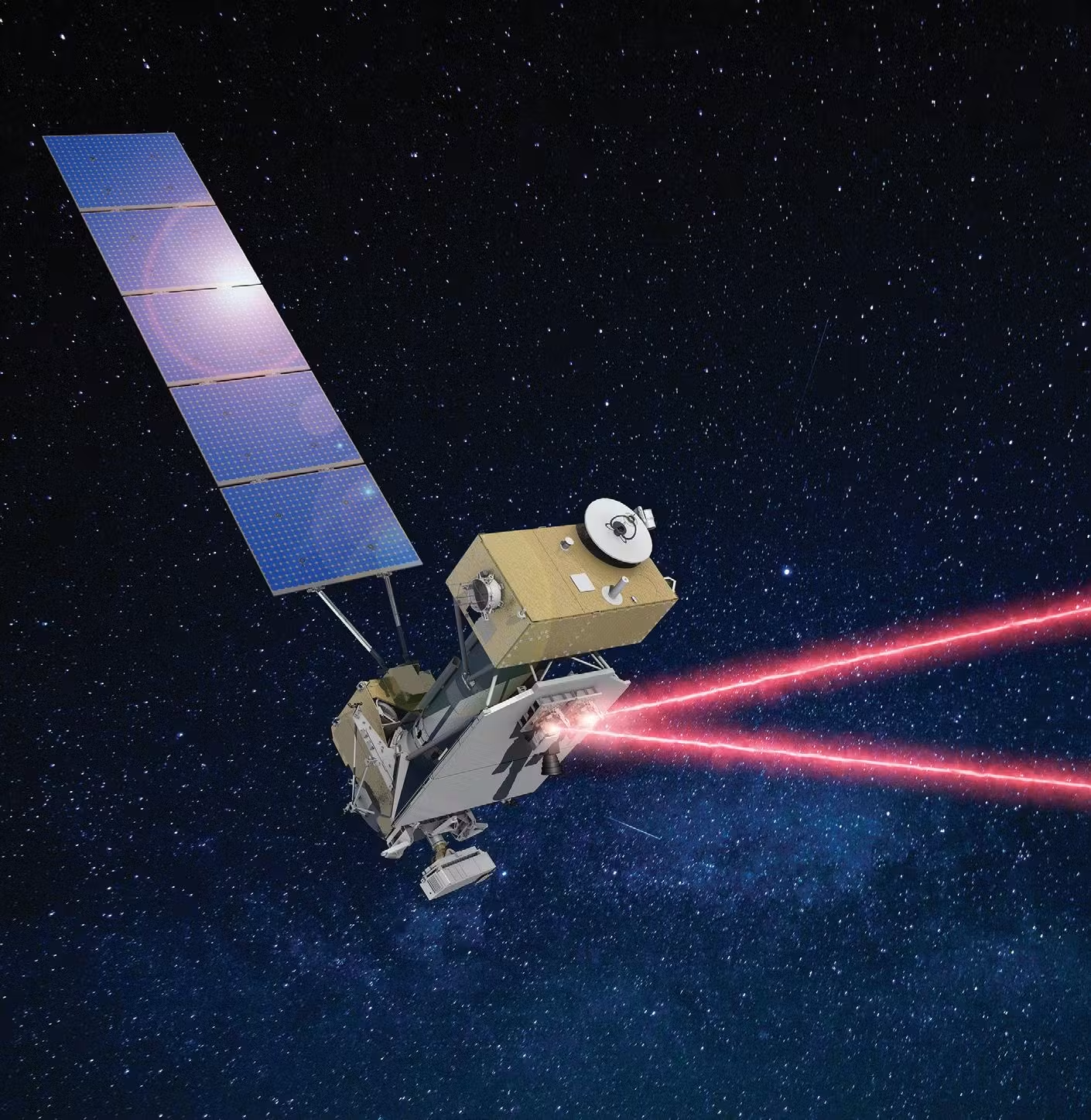
Space communication and navigation expert Jason Mitchell discusses laser communications and the ongoing work to understand what future deep space and near space missions might need. HWHAP Episode 313.
The world of economics has these two different sides. One one side, there are the economists in their cozy armchairs and dusty libraries, high up in their ivory towers. On the other, there’s the messy world we’re all living in, where those economics are actually playing out.
Sometimes, researchers will write about something that they themselves have never actually experienced. Sure, they’ve thought about it, theorized, come up with smart analyses…but that’s not the same as getting out of that armchair and into the real world.
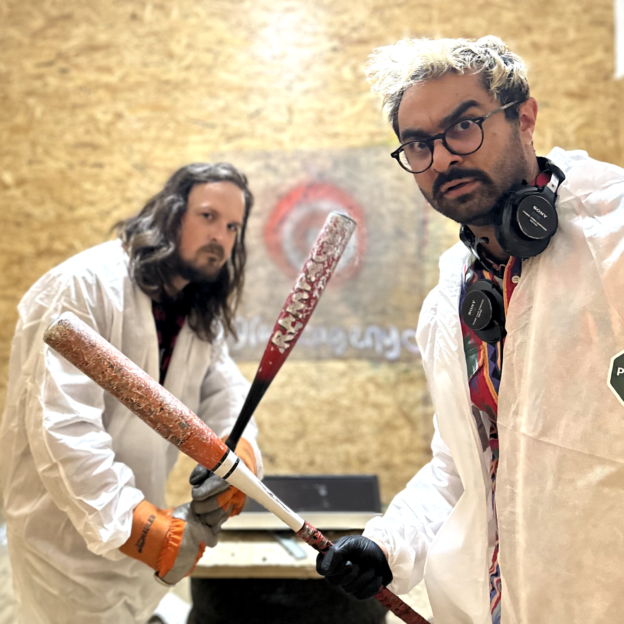
So, in this episode, we play our own version of Never Have I Ever. We dare two researchers to go places and do things they have never done before, in hopes of learning something new about the economic world around us.
(Okay, fine, it’s maybe more like Truth or Dare…but go with us here.)
Today’s episode was hosted by Alexi Horowitz-Ghazi and produced by Emma Peaslee with help from Willa Rubin. It was edited by Sally Helm, fact checked by Sierra Juarez and engineered by Maggie Luthar. Alex Goldmark is our executive producer.
Help support Planet Money and get bonus episodes by subscribing to Planet Money+ in Apple Podcasts or at plus.npr.org/planetmoney.
See pcm.adswizz.com for information about our collection and use of personal data for sponsorship and to manage your podcast sponsorship preferences.
NPR Privacy Policy
In part six: host Manoush Zomorodi digs into the preliminary results of the listener study with Columbia University researcher Keith Diaz. He shares the surprising — and encouraging — initial findings from more than 20,000 listeners who tried to incorporate movement breaks into their day.
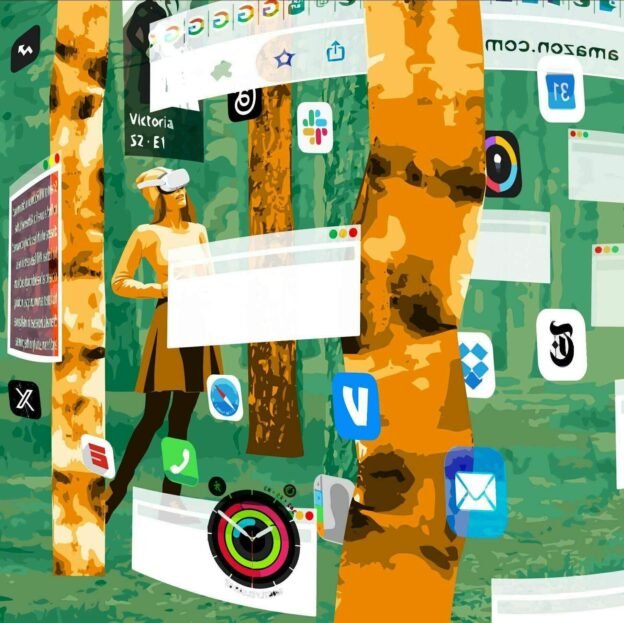
Also on this episode, listener Dana Lopez Maile shares how the study was a “game changer” for her health. Yiliu Shen-Burke, founder of the augmented reality app SoftSpace, explains his vision of augmented reality. Finally, Manoush explores the future of screen time in a new era of artificial intelligence, and the inextricable convergence of humans and machines.
Click here to find out more about the project: npr.org/bodyelectric
We’d love to hear what you thought of the Body Electric series. Go to npr.org/tedsurvey to share your feedback.
See pcm.adswizz.com for information about our collection and use of personal data for sponsorship and to manage your podcast sponsorship preferences.
NPR Privacy Policy
When Lina Khan was in law school back in 2017, she wrote a law review article called ‘Amazon’s Antitrust Paradox,’ that went kinda viral in policy circles. In it, she argued that antitrust enforcement in the U.S. was behind the times. For decades, regulators had focused narrowly on consumer welfare, and they’d bring companies to court only when they thought consumers were being harmed by things like rising prices. But in the age of digital platforms like Amazon and Facebook, Khan argued in the article, the time had come for a more proactive approach to antitrust.
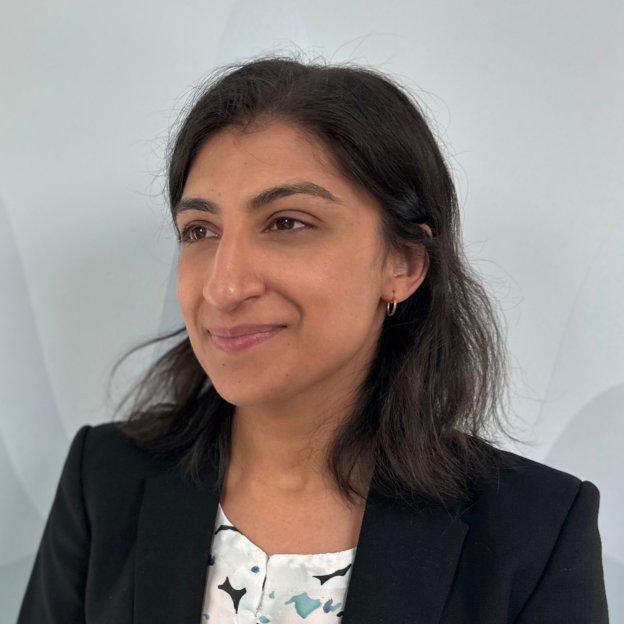
Just four years later, President Biden appointed Lina Khan to be the Chair of the Federal Trade Commission, one of the main government agencies responsible for enforcing antitrust in America, putting her in the rare position of putting some of her ideas into practice.
Now, two years into the job, Khan has taken some big swings at big tech companies like Meta and Microsoft. But the FTC has also faced a couple of big losses in the courts. On today’s show, a conversation with FTC Chair Lina Khan on what it’s like to try to turn audacious theory into bureaucratic practice, the FTC’s new lawsuit against Amazon, and what it all means for business as usual.
Help support Planet Money and get bonus episodes by subscribing to Planet Money+ in Apple Podcasts or at plus.npr.org/planetmoney.
See pcm.adswizz.com for information about our collection and use of personal data for sponsorship and to manage your podcast sponsorship preferences.
NPR Privacy Policy
Original broadcast date: February 24, 2023. You don’t need to be big and boisterous to pack a punch. This hour, TED speakers explore the surprising strength of all things minuscule and fleeting. Guests include microbiologist Anne Madden, cognitive scientist Lera Boroditsky, former educator YeYoon Kim and former industrial engineer and Zen Buddhist monk Bart Weetjens.
TED Radio Hour+ subscribers now get access to bonus episodes, with more ideas from TED speakers and a behind the scenes look with our producers. A Plus subscription also lets you listen to regular episodes (like this one!) without sponsors. Sign-up at: plus.npr.org/ted
See pcm.adswizz.com for information about our collection and use of personal data for sponsorship and to manage your podcast sponsorship preferences.
NPR Privacy Policy
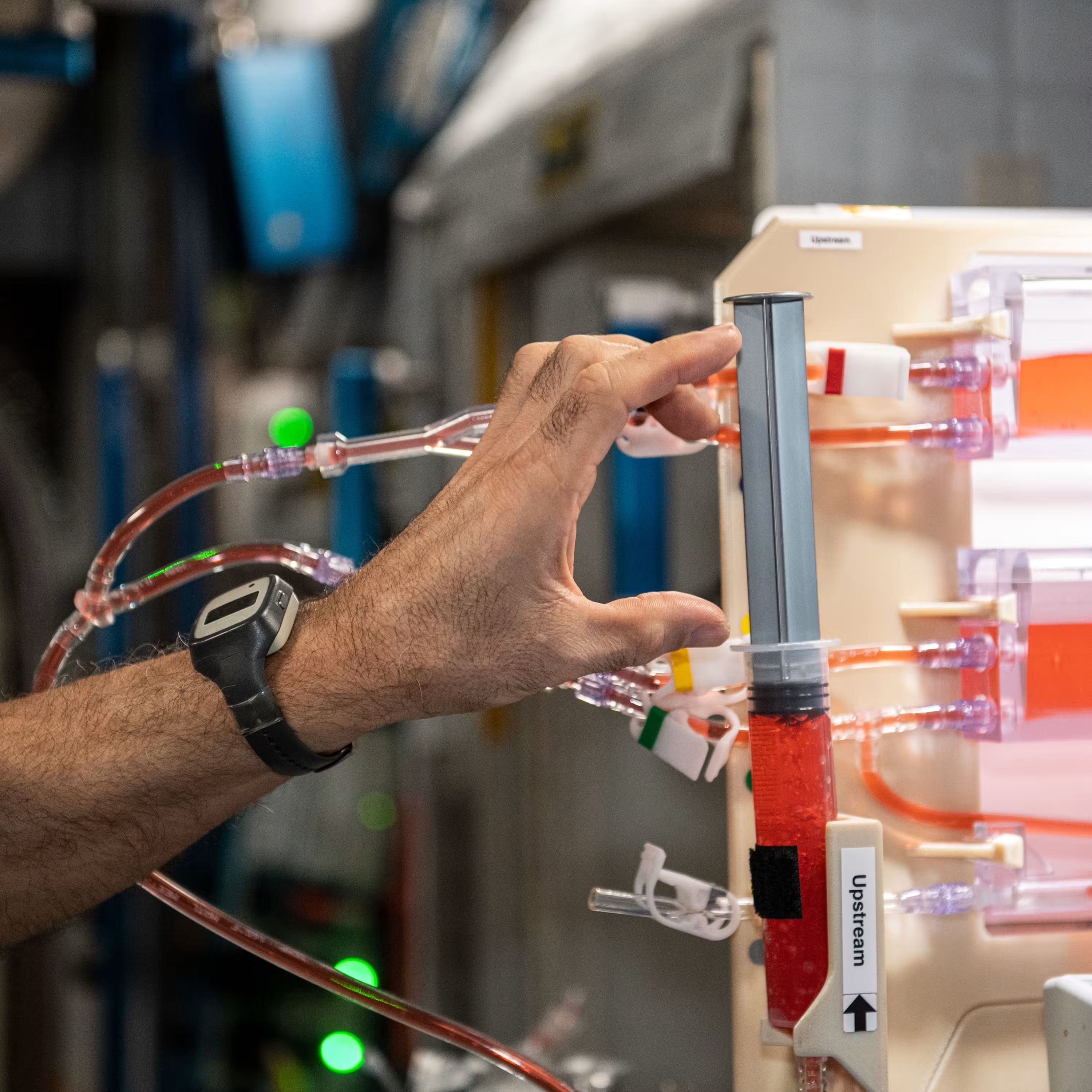
Principal investigator Mark Weislogel discusses new science being sent to the station aboard the SpaceX CRS-29 cargo resupply mission to improve plant growth in space. HWHAP Episode 312.
Earlier this fall, the Federal Trade Commission filed a high-stakes lawsuit against Amazon.
In that suit, the FTC claims Amazon is a monopoly, and it accuses the company of using anti-competitive tactics to hold onto its market power. It’s a big case, with implications for consumers and businesses and digital marketplaces, and for antitrust law itself. That is the highly important but somewhat obscure body of law that deals with competition and big business.
And so, this week on Planet Money, we are doing a deep dive on the history of antitrust. It begins with today’s episode, a Planet Money double feature. Two classic episodes that tell the story of how the U.S. government’s approach to big business and competition has changed over time.
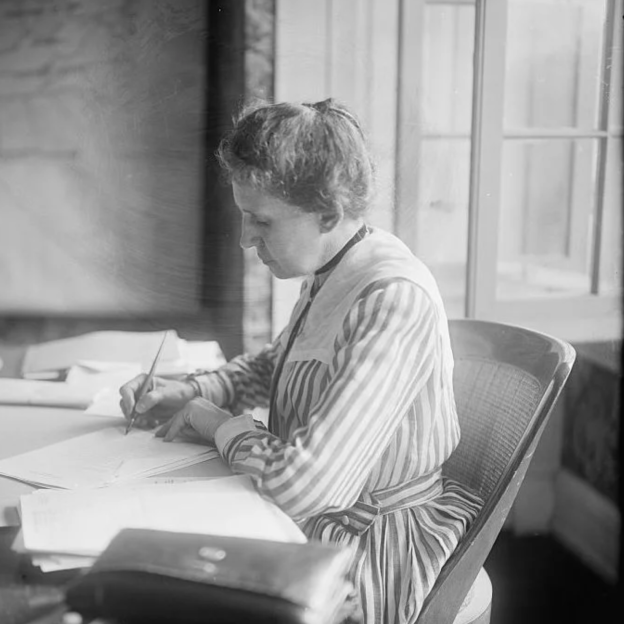
First, the story of a moment more than 100 years ago, when the government stepped into the free market in a big way to make competition work. It’s the story of John D. Rockefeller and Standard Oil, and a muckraking journalist named Ida Tarbell.
Then, we fast forward to a turning point that took antitrust in the other direction. This is the story of a lawyer named Robert Bork, who transformed the way courts would interpret antitrust law.
These episodes were produced by Sally Helm with help from Alexi Horowitz Ghazi. They were edited by Bryant Urdstadt. Alex Goldmark is Planet Money’s executive producer.
Help support Planet Money and get bonus episodes by subscribing to Planet Money+ in Apple Podcasts or at plus.npr.org/planetmoney.
See pcm.adswizz.com for information about our collection and use of personal data for sponsorship and to manage your podcast sponsorship preferences.
NPR Privacy Policy
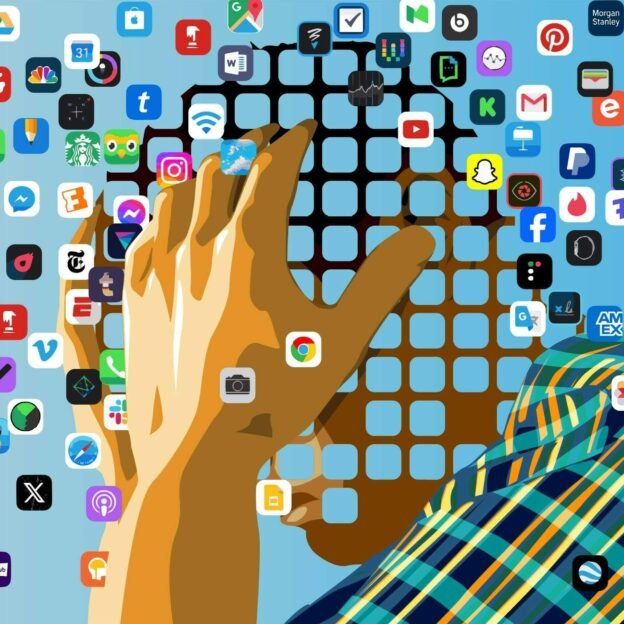
In part five: host Manoush Zomorodi investigates what information overload does to our physical and mental health. Could our tech use be interfering with the critical dialogue that takes place between the body and the brain? Psychiatrist and neuroscientist Sahib Khalsa shares his latest research on interoception — the brain’s ability to sense how the body is feeling — and how finding time to unplug from our devices can help us tune into our body’s natural signals.
Also in this episode: neurologist Caroline Olvera takes us inside the “TikTok tics” outbreak — exploring why thousands of teens developed Tourette’s-like symptoms after watching TikTok videos in 2021. Plus, how a school in Washington, DC helps kids stay connected to their bodies by creating a high-movement, low-tech environment.
Click here to find out more about the project: npr.org/bodyelectric
Are you signed up for Columbia’s study, or following along with the series? We want to hear from you! Send us a voice memo at bodyelectric@npr.org. Talk to us on Instagram @ManoushZ, and on Facebook @tedradiohour.
See pcm.adswizz.com for information about our collection and use of personal data for sponsorship and to manage your podcast sponsorship preferences.
NPR Privacy Policy